

Tutor(s)
Bruce Hart: Freelance Geologist and Adjunct Professor at Western University, Ontario.
Overview
This course classifies unconventional reservoirs from a petroleum systems perspective and leads participants through how depositional controls on reservoir architecture and mechanical stratigraphy affect development strategies.
Duration and Logistics
Classroom version: 3 days; a mix of lectures exercises. The manual will be provided in digital format and participants will be required to bring a laptop or tablet computer to follow the lectures and exercises.
Virtual version: Four 4-hour interactive online sessions presented over 4 days. A digital manual and exercise materials will be distributed to participants before the course.
Level and Audience
Fundamental. Intended for subsurface professionals (geologists, geochemists, geophysicists, reservoir-, completion- and drilling engineers) who have some working knowledge of unconventional reservoirs but are looking to understand how multi-disciplinary integration can improve exploration and development decisions.
Objectives
You will learn to:
- Describe unconventional reservoirs based on all parts of their petroleum system’s character, and use that knowledge in a predictive way at all steps from exploration to development
- Maximize the benefit of common tools for unconventional reservoir characterization.
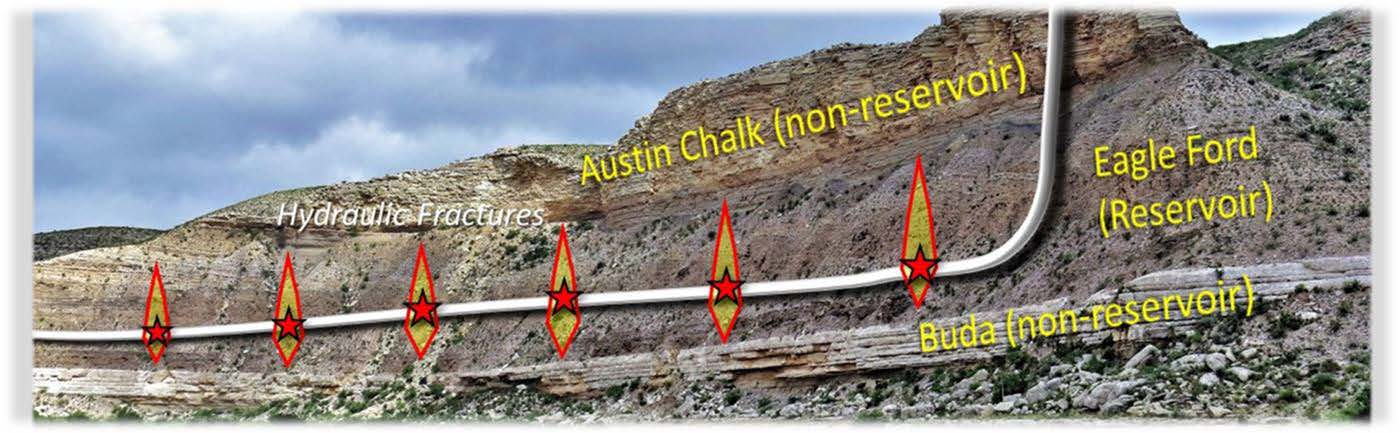
- Define stratigraphic and structural controls on development strategies: landing-zone definition, horizontal vs vertical wells
- Develop a common language that can be used to facilitate information exchange between various engineering and geoscience subdisciplines.