


Tutor(s)
Kevin Taylor: Professor in Energy Geoscience, The University of Manchester.
Overview
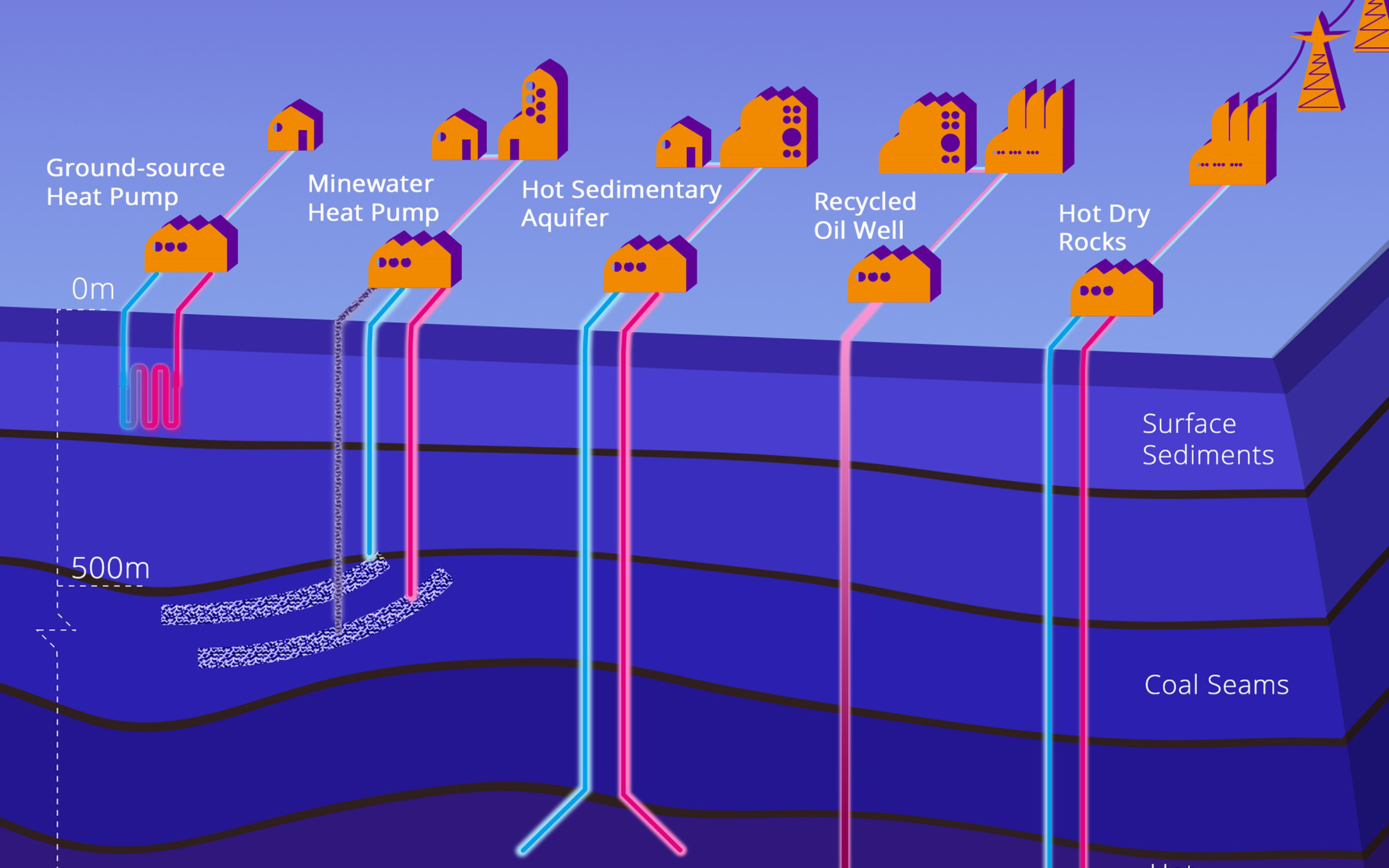
The aim of this course is to give an overview of the requirement, and the range of subsurface solutions, for energy storage. It will cover the key aspects of energy supply and demand, the role that subsurface energy storage can play in addressing this, and the key role that subsurface energy storage will play in decarbonizing energy as a key part of the energy transition. We will cover the fundamental geological, technical, environmental and societal aspects of hydrogen storage, compressed air storage, natural gas storage and heat storage. We also will briefly cover emerging solutions, such as chemical subsurface storage and geo-batteries.
Duration and Logistics
Classroom version: A 1-day course comprising a mix of lectures, case studies and exercises. The manual will be provided in digital format and participants will be required to bring a laptop or tablet computer to follow the lectures and exercises.
Virtual version: Two 3.5-hour interactive online sessions. Some short exercises (e.g. handling some basic data, estimating energy storage capacity, etc.) will be undertaken within the course. In-course questions / polls will be included. A digital manual and exercise materials will be distributed to participants before the course.
Level and Audience
Fundamental. The course is aimed at technical staff from a wide range of backgrounds, and an understanding of specific subsurface geoscience / engineering will not be assumed. The subject matter will be covered from first principles and will be of interest to staff from a range of backgrounds, including geological, engineering and commercial.
Objectives
You will learn to:
- Understand the nature of energy demand and supply within the context of the energy transition and the necessity for energy storage.
- Recognize the different ways in which energy can be stored in the subsurface, including natural gas storage, hydrogen storage, compressed air storage and heat storage.
- Appreciate the specific geological and technical requirements for different energy storage solutions, along with examples of where these are being deployed.
- Appreciate the challenges around subsurface storage, including fluids, gas and geomicrobiology aspects.
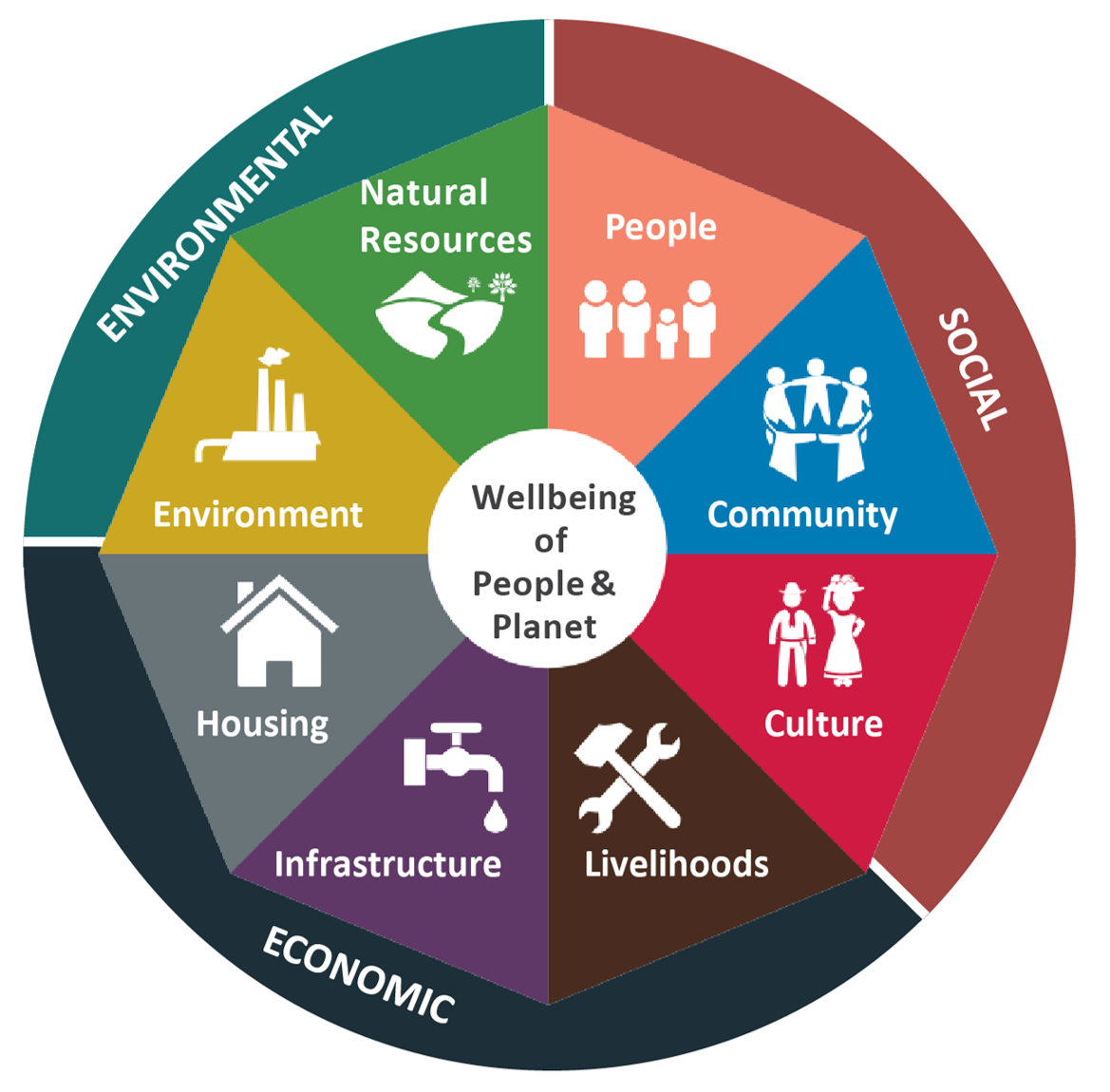
- Be able to frame subsurface energy storage within environmental, social and governance (ESG) considerations.