Tutor(s)
Benoit Vincent: Associate Director, Cambridge Carbonates.
Overview
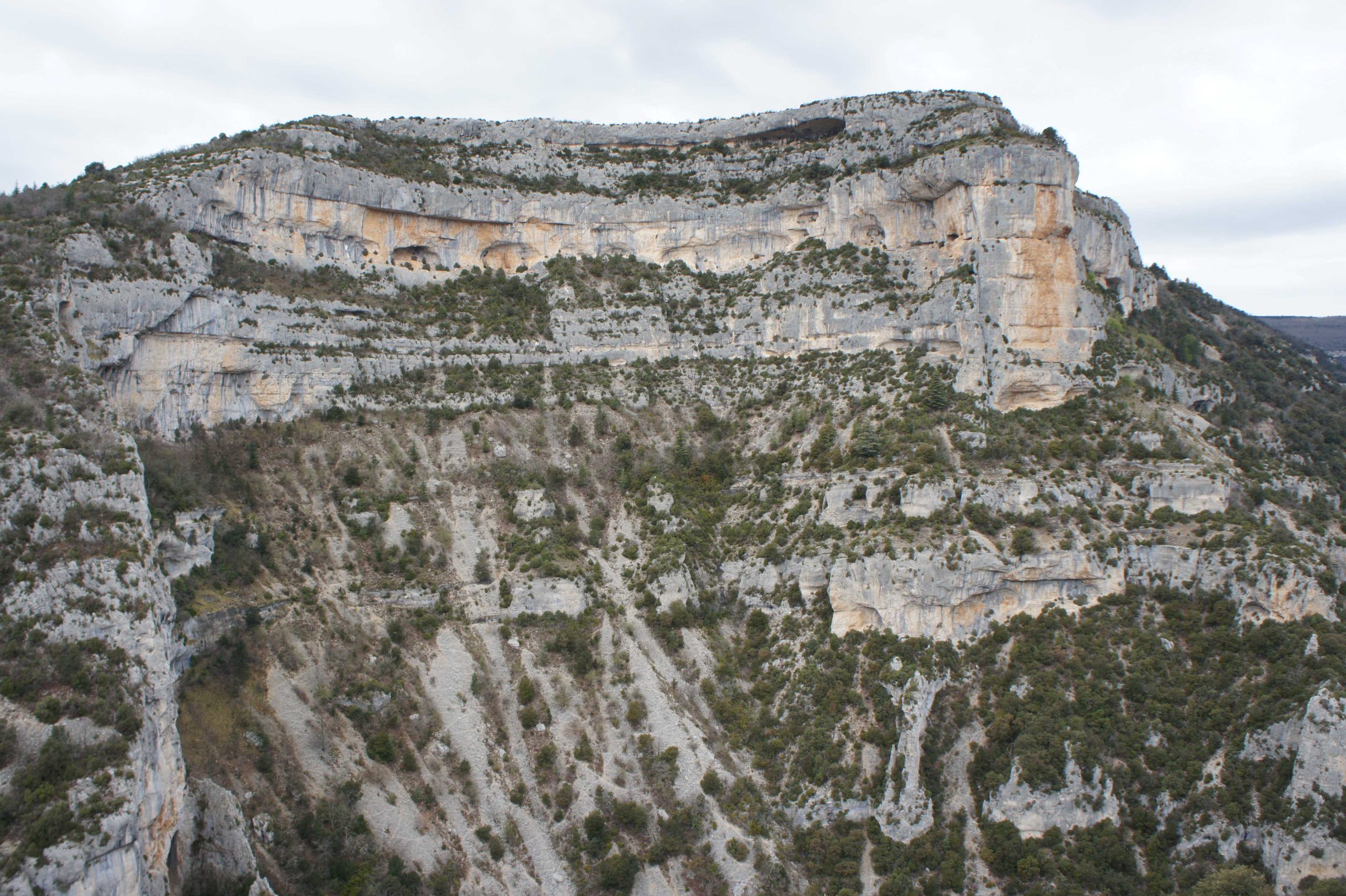
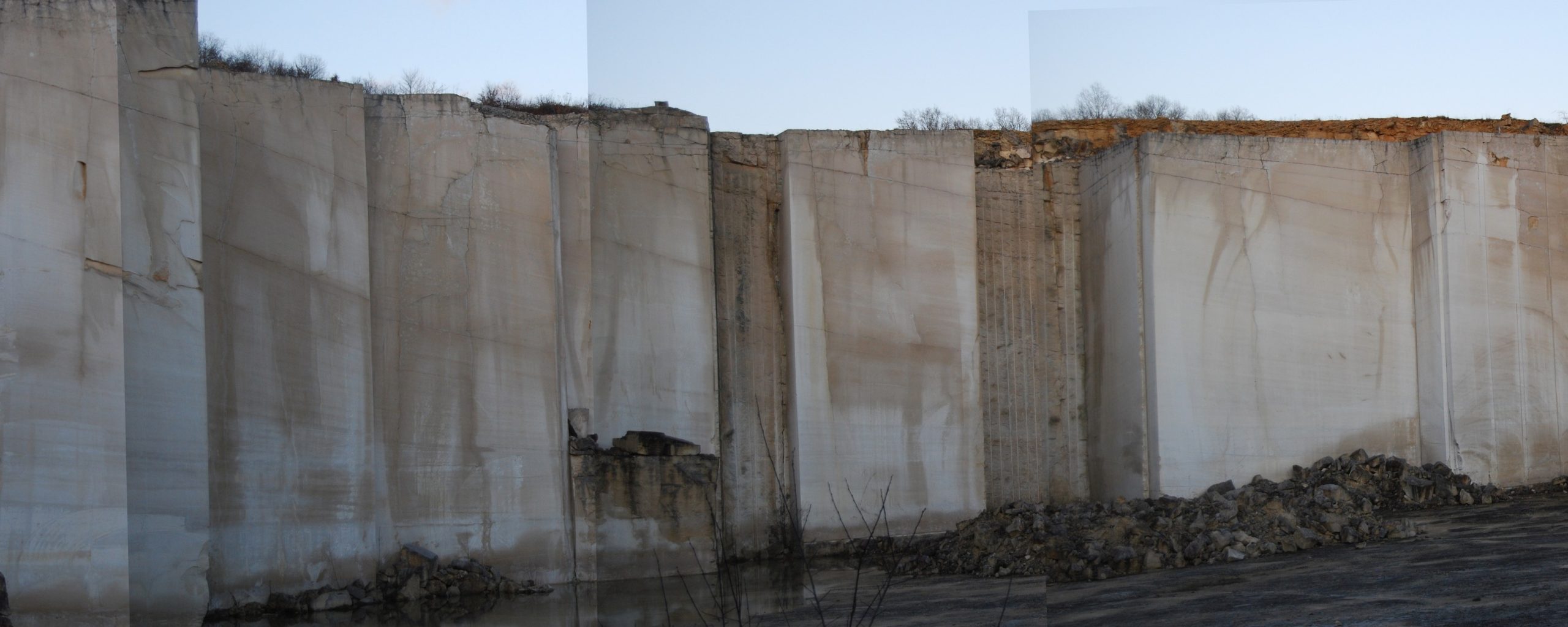
The Middle Jurassic outcrops of the south-eastern Paris Basin illustrate the complexity of architectures within ooid shoals and the interfingering with surrounding lagoon and open marine domains on carbonate platforms. These are exceptional analogues for several producing oil fields around the world, but also for geothermal energy, as the equivalent Middle Jurassic limestones are the main deep geothermal aquifer used in the Paris suburban area. The course provides an illustration of an integrated workflow for 3D modeling, starting with a review of the constraints to the static model acquired from subsurface data and including sedimentary architectures, distribution and evolution of petrophysical properties through diagenesis. All the key steps for robust static modeling are reviewed during the trip, always tying back to the geology and petrophysics.
Duration and Logistics
A 6-day field course based in the Auxois area (Burgundy, SE Paris Basin), with the itinerary and duration dependent on the technical objectives of the group. The course will comprise classroom lectures and fieldwork with transport by bus.
Level and Audience
Intermediate. This course is intended for geologists, geophysicists, petrophysicists or reservoir engineers. Knowledge of the fundamentals of carbonate sedimentology would be a useful prerequisite. However, a brief reminder of sedimentological elements and of sequence stratigraphy is scheduled in classroom on the first day. Practical logging sessions will also be organised in the field.
Exertion Level
This class requires an EASY exertion level. Access to the outcrops is easy, requiring only less than 10-15 minutes of walking. The longest walk is approximately 1.5km between 3 quarries on the same site. Outcrops include sections in both active and abandoned quarries.
Objectives
You will learn to:
- Assess textures, allochems of carbonates and the range of preserved sedimentary structures.
- Evaluate different carbonate facies and facies-association stratigraphic geometries in relation to environment of deposition, constrained within a sequence stratigraphic framework.
- Examine large-scale sedimentary architectures and their impact on the heterogeneity at the reservoir scale.
- Gauge the implications of sedimentological and diagenetic processes on petrophysical properties.
- Assess the key steps for robust static modeling of different carbonate systems.
Tutor(s)
Zane Jobe: Research Professor, Colorado School of Mines and the Director of the Geology Center of Research Excellence (CoRE).
Andrea Fildani: Professor at University of Naples Federico II
Overview
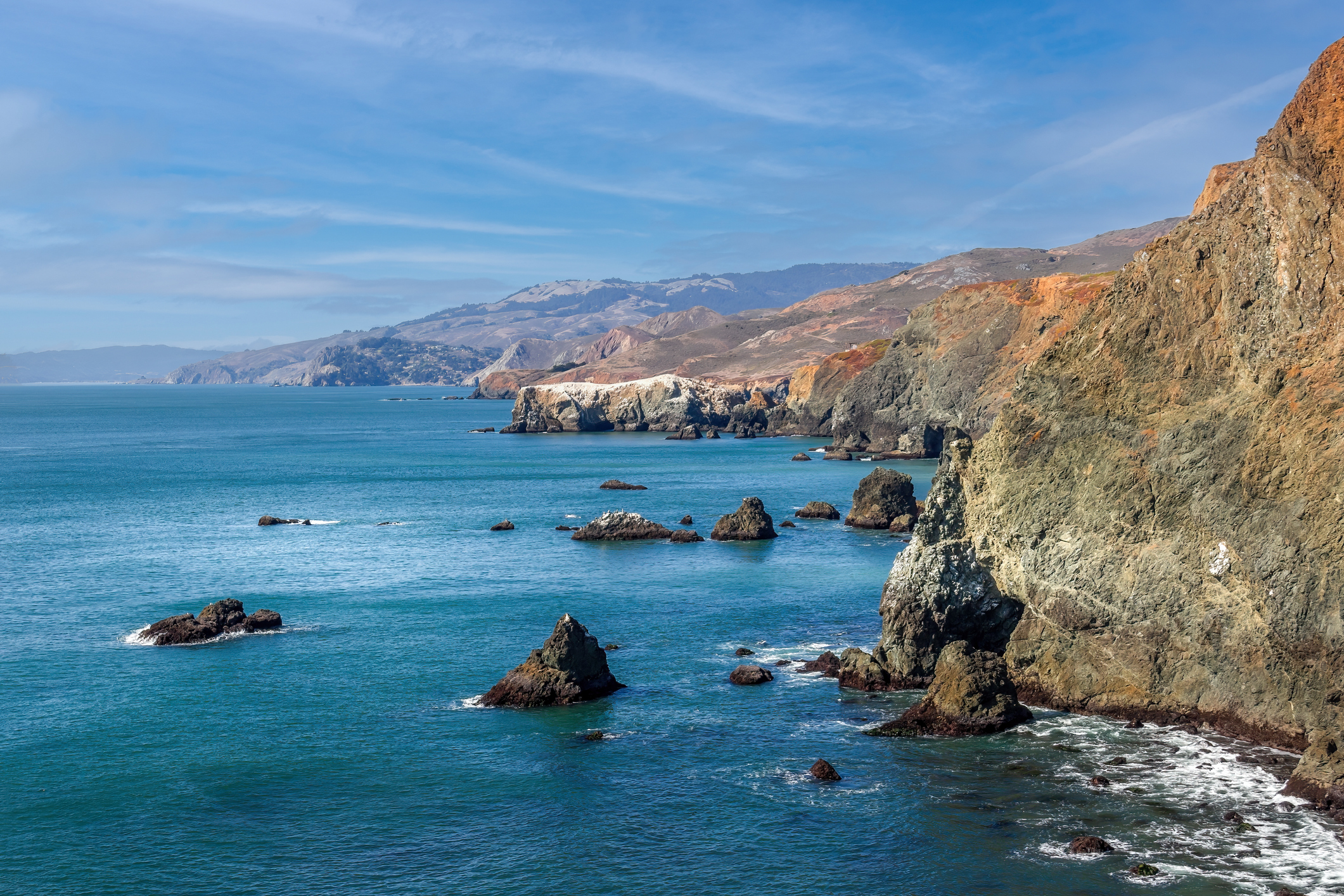
This course will explore a range of outcrops in central California to study topics inherent to the energy transition. Participants will be introduced to the tectonic setting of Western North America that provides opportunities for geothermal energy production, carbon sequestration (both mineralization and pore-scale trapping) and additionally, natural hydrogen exploration. Participants will learn how to characterize the locations of potential projects and explain the key geological factors that affect these and their feasibility.
Duration and Logistics
A 7-day field course based in Sacramento, California. Training will take place through in-class presentations, field observations, printed exercises and discussions in the field. Transport will be by coach.
Exertion Level
The field component of this course requires an EASY exertion level. There will be short hikes to outcrops mostly on flat to gently sloping terrain and gravel tracks. The climate in California during the spring and fall is variable with temperatures from 50°F (10°C) to hot and dry up to 100°F (38°C).
Level and Audience
Fundamental. The course is intended for a variety of professionals working in the energy transition including those responsible for policy on energy, regulators, energy sector investors and also those working on conservation. The course would also be suitable for geoscientists interested in a broad overview of energy transition topics.
Objectives
You will learn to:
- Evaluate the regional tectonic framework and evolution for prediction of energy transition opportunities.
- Describe regional geothermal systems and understand their relationships to tectonic evolution.
- Analyze ultramafic rocks that are targeted for CO2 mineralization studies and natural hydrogen exploration.
- Compare outcrop analogues to subsurface data for carbon sequestration in sedimentary rocks from several depositional environments.
- Characterize the locations of potential projects and explain the key geological factors that affect these and their feasibility.
Tutor(s)
Eric Gaucher: CEO, Lavoisier H2 Geoconsult and RockyH2.
Jean Gaucher: Development Officer, Lavoisier H2 Geoconsult.
Overview
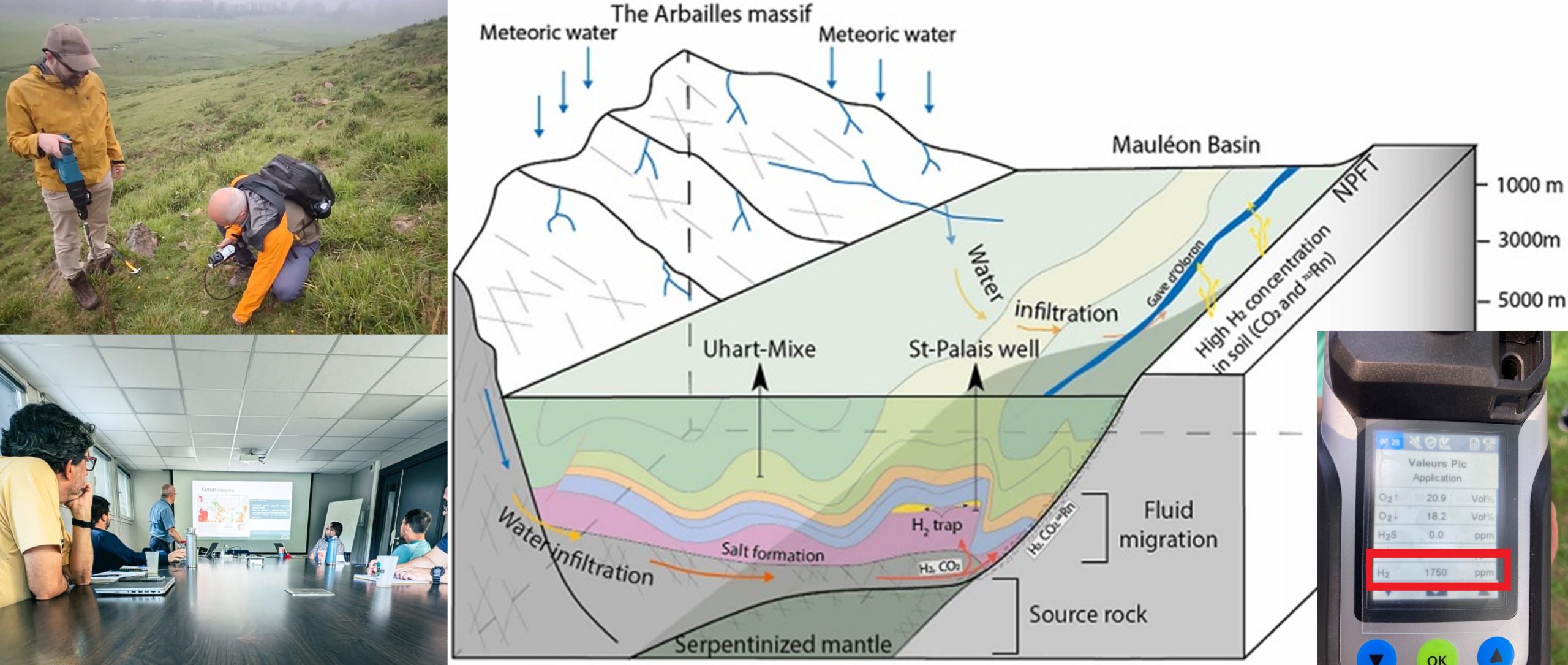
The last few years has seen a growing interest in natural hydrogen accumulations. We know that there are a variety of processes that can lead to hydrogen being produced in the Earth’s crust but there is much still to understand about these, how much is perhaps present in subsurface stores and where these accumulations are. Commercial exploitation will also need to assess the engineering challenges for extracting this hydrogen and ultimately how best it can be utilised as part of the changing face of our modern energy landscape. This course will give an integrated view on the economic, strategic and scientific aspects of natural hydrogen exploration and its perspectives.
Duration and Logistics
Virtual version: Four 3.5-hour online sessions presented over four days comprising a mix of lectures, exercises, case studies and discussion. The course manual will be provided in digital format.
Fieldtrip version: A 5-day field course located in Pau, France with a focus on the geological aspects of natural hydrogen.
Level and Audience
Fundamental. The course is largely aimed at geologists interested in natural hydrogen occurrences but the trainers able to adapt the level of the course to the requirements of the attendees.
Exertion Level
This class requires and EASY exertion level. Travel is by small coach and there are hikes of less than 10 minutes in duration (less than 1 km) on well-graded terrain in the foothills of the Pyrenees.
Objectives
You will learn to:
- Evaluate the different types of hydrogen and the origins of natural hydrogen.
- Characterise the strategies for the exploration of natural hydrogen.
- Clarify and organize the different technical steps of a natural hydrogen exploration programme.
- Appraise the geological, geochemical and geophysical tools that can be used for natural hydrogen exploration.
- Assess the co-production of natural hydrogen with geothermal resources, Helium and the mining industry.
- Assess the techno-economic evaluation of natural hydrogen.