
World-class training for the modern energy industry

Groundwater in a Geoenergy Context (G534)

Tutor(s)

Alistair Donohew: Director, Kovia Consulting Ltd.

Overview

This course examines all aspects of groundwater – from the geological features that affect it, to how it relates to GeoEnergy Transition projects and the wider context of groundwater regulations and management. It is a useful introduction to help access other advanced courses. The course will include some tasks that relate to the practical application of knowledge and formative assessment will be used throughout to allow participants to reflect and manage their learning.

Duration and Logistics

Classroom version: A 1.5-day course comprising a mix of lectures, case studies and exercises. The manual will be provided in digital format and participants will be required to bring a laptop or tablet computer to follow the lectures and exercises.

Virtual version: Three 3.5-hour interactive online sessions presented over 3 days. Digital course notes and exercise materials will be distributed before the course. Some exercises may be completed by participants off-line and there will be links provided to useful additional and applied learning.

Level and Audience

Fundamental. The course is intended for sub-surface scientists, principally geoscientists, but some engineers will also find the course instructive. Participants should have a working knowledge of geoscience. However, the subject matter of this course, groundwater as it relates to GeoEnergy Transition projects, is covered from basic principles.

Objectives

You will learn to:

  1. Explain key groundwater concepts.
  2. Evaluate potential factors controlling groundwater in different geological settings.
  3. Explain how groundwater is investigated and some of the limitations.
  4. Explain how groundwater is relevant and, in many cases, critical to geoenergy projects.
  5. Evaluate how different geological settings can affect the viability of different geoenergy projects.
  6. Describe how and why groundwater is regulated.
  7. Explain how risks to groundwater are assessed and managed.
Critical Resources – Rare Earth Elements (G530)

Tutor(s)

Holly Elliott: Minerals Geoscientist, British Geological Survey.

Overview

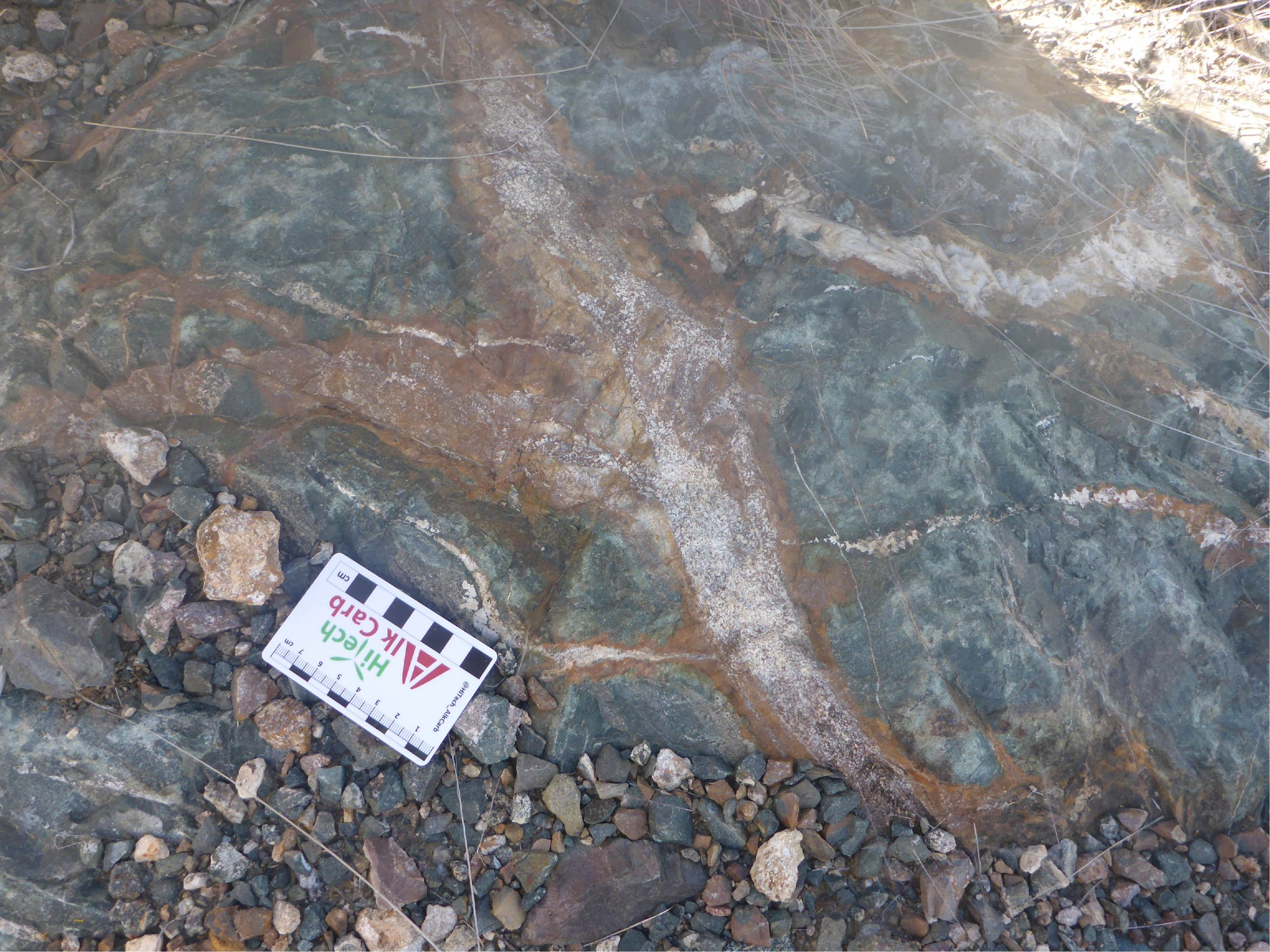
This course covers all aspects of rare earth elements (REE) as critical resources, both in terms of technological advancement and combating climate change. We shall delve into the major sources of these elements, their tectonic settings and the enrichment processes that lead to deposit formation. The characteristics of major REE deposits shall be investigated, using international case studies, to determine typical exploration methods and factors affecting processing.

Duration and Logistics

Classroom version: A 1.5-day course comprising a mix of lectures, case studies and exercises. The manual will be provided in digital format and participants will be required to bring a laptop or tablet computer to follow the lectures and exercises.

Virtual version: Three 3.5-hour interactive online sessions presented over 3 days. A digital manual and exercise materials will be distributed to participants before the course. Some reading and exercises are to be completed by participants off-line.

Level and Audience

Intermediate. The course is intended for anyone with an intermediate knowledge of geological processes and exploration techniques.

Objectives

You will learn to:

  1. Understand the characteristics and behavior of REE in these geological environments.
  2. Understand the geological processes leading to formation of different deposit types.
  3. Understand and identify the multiple enrichment mechanisms that lead to REE-enrichment.
  4. Identify typical rocks and minerals associated with REE deposits.
  5. Evaluate typical features of REE deposits to determine appropriate exploration techniques.
  6. Interpret geochemical and exploration data associated with REE deposits.
  7. Assess the economic viability of deposits using typical characteristics.

Aquifer Thermal Energy Storage (G519)

Tutor(s)

Matthew Jackson: Chair in Geological Fluid Dynamics, Imperial College London.

Overview

This course covers all subsurface aspects of Aquifer Thermal Energy Storage (ATES) and includes a brief overview of surface engineering and infrastructure requirements. The course includes an introduction to ATES, aquifer characterization for ATES, including geological and petrophysical considerations, ATES performance prediction, including modelling and simulation, and engineering considerations, including ATES system management and optimization.

Duration and Logistics

Classroom version: A 3-day course comprising a mix of lectures, case studies and exercises. The manual will be provided in digital format and participants will be required to bring a laptop or tablet computer to follow the lectures and exercises.

Virtual version: Five 3.5-hour interactive online sessions presented over 5 days. A digital manual exercise will be distributed to participants before the course. Some reading and exercises are to be completed by participants off-line.

Level and Audience

Advanced. The course is relevant to geoscientists and engineers and is intended for recent graduates and professionals with experience of, or a background in, a related subsurface geoscience or engineering area.

Objectives

You will learn to:

  1. Describe the underlying principles of ATES and the context of its deployment worldwide.
  2. Evaluate the properties of an aquifer for ATES deployment.
  3. Perform aquifer characterization for ATES.
  4. Appreciate the engineering considerations for efficient and sustainable ATES operation.
  5. Understand modelling and simulation of ATES.
  6. Optimize single and multiple ATES projects.
  7. Evaluate surface infrastructure requirements and operation.
  8. Review the regulatory considerations for deployment and operation.

Geothermal Resources Assessment: Quantification and Classification (G515)

Tutor(s)

Gioia Falcone: Rankine Chair of Energy and Engineering, University of Glasgow.

Overview

This course covers the principles of geothermal resources assessment, encompassing quantification and classification best practices. Leveraging lessons learnt from the oil and gas sector, the course highlights the need for transparency in the approach. It presents the challenges and opportunities of comparing the assessment of different energy resources within a mixed energy portfolio, towards the transition to a sustainable Net zero future.

Duration and Logistics

Classroom version: A 2-day course comprising a mix of lectures, case studies and exercises. The manual will be provided in digital format and participants will be required to bring a laptop or tablet computer to follow the lectures and exercises.

Virtual version: Four 3.5-hour interactive online sessions presented over 4 days. A digital manual will be distributed to participants before the course. Some reading is to be completed by participants off-line.

Level and Audience

Advanced. The course is intended for energy policy makers, energy stakeholders in charge of investment and funding decisions, and oil and gas professionals transitioning towards sustainable energy opportunities.

Objectives

You will learn to:

  1. Understand the need for energy resource assessment.
  2. Describe different resource estimation methods.
  3. Interpret resource assessments according to different frameworks.
  4. Identify the uncertainties and risks associated with a geothermal resource assessment.
  5. Assess the impact of project definition on resource quantification and classification.
  6. Discuss the technical, economic, social and environmental nexus of energy resources assessment.

Geothermal Technologies and Well Design (G514)

Tutor(s)

Gioia Falcone: Rankine Chair of Energy and Engineering, University of Glasgow.

Overview

This course covers fundamental aspects of geothermal engineering, linking the subsurface to the point of sale (or point of use). It encompasses the main geothermal energy uses, focusing on deep geothermal resources exploitation methods, where wells are required. The course also covers conventional and unconventional geothermal technologies, including closed-loop solutions and hybrid energy development opportunities.

Duration and Logistics

Classroom version: A 2-day course comprising a mix of lectures, case studies and exercises. The manual will be provided in digital format and participants will be required to bring a laptop or tablet computer to follow the lectures and exercises.

Virtual version: Four 3.5-hour interactive online sessions presented over 4 days. A digital manual will be distributed to participants before the course. Some reading is to be completed by participants off-line.

Level and Audience

Advanced. The course is intended for geoscientists wishing to learn the engineering aspects of geothermal project implementation, and oil and gas professionals transitioning towards sustainable energy opportunities.

Objectives

You will learn to:

  1. Understand the different way in which a given geothermal energy resource can be exploited, and the associated uses.
  2. Describe how open-loop and closed-loop engineering solutions work.
  3. Interpret operational aspects of typical geothermal well designs.
  4. Identify the uncertainties and risks of different exploitation methods, vis-à-vis resource sustainability over project lifetime.
  5. Assess the impact of different well performance and well integrity aspects on ultimate recovery.
  6. Discuss and analyse case studies involving different geothermal technologies.

Nuclear Technology (G512)

Tutor(s)

Brian Matthews: Independent Consultant, Founder and Managing Director of TerraUrsa.

Overview

This course covers all aspects of nuclear technology and power production.

Duration and Logistics

Classroom version: A 3-day course comprising a mix of lectures, case studies and exercises. The manual will be provided in digital format and participants will be required to bring a laptop or tablet computer to follow the lectures and exercises.

Virtual version: Five 3.5-hour interactive online sessions presented over 5 days. A digital manual and exercise materials will be distributed to participants before the course. Some reading and exercises are to be completed by participants off-line.

Level and Audience

Fundamental. The course is intended for people with a basic engineering or scientific background.

Objectives

You will learn to:

  1. Understand the scientific and technological background of nuclear power.
  2. Describe how a nuclear power plant/power station works.
  3. Characterize the effects and risk of radiation.
  4. Evaluate how the history of the nuclear industry has shaped policy and public engagement today.
  5. Interpret a typical nuclear fuel cycle (mining to disposal).
  6. Develop an understanding of the economics and policy surrounding nuclear power and its growth internationally.
  7. Assess the social impact of nuclear power and its benefits to climate change and achieving Net Zero.
  8. Understand the future options for nuclear technologies and how they can work alongside other technologies.

Fractures and associated Structural Concepts for the GeoEnergy Transition: a Virtual Field Course (G511)

Tutor(s)

Richard Jones: Managing Director, Geospatial Research Ltd.

Overview

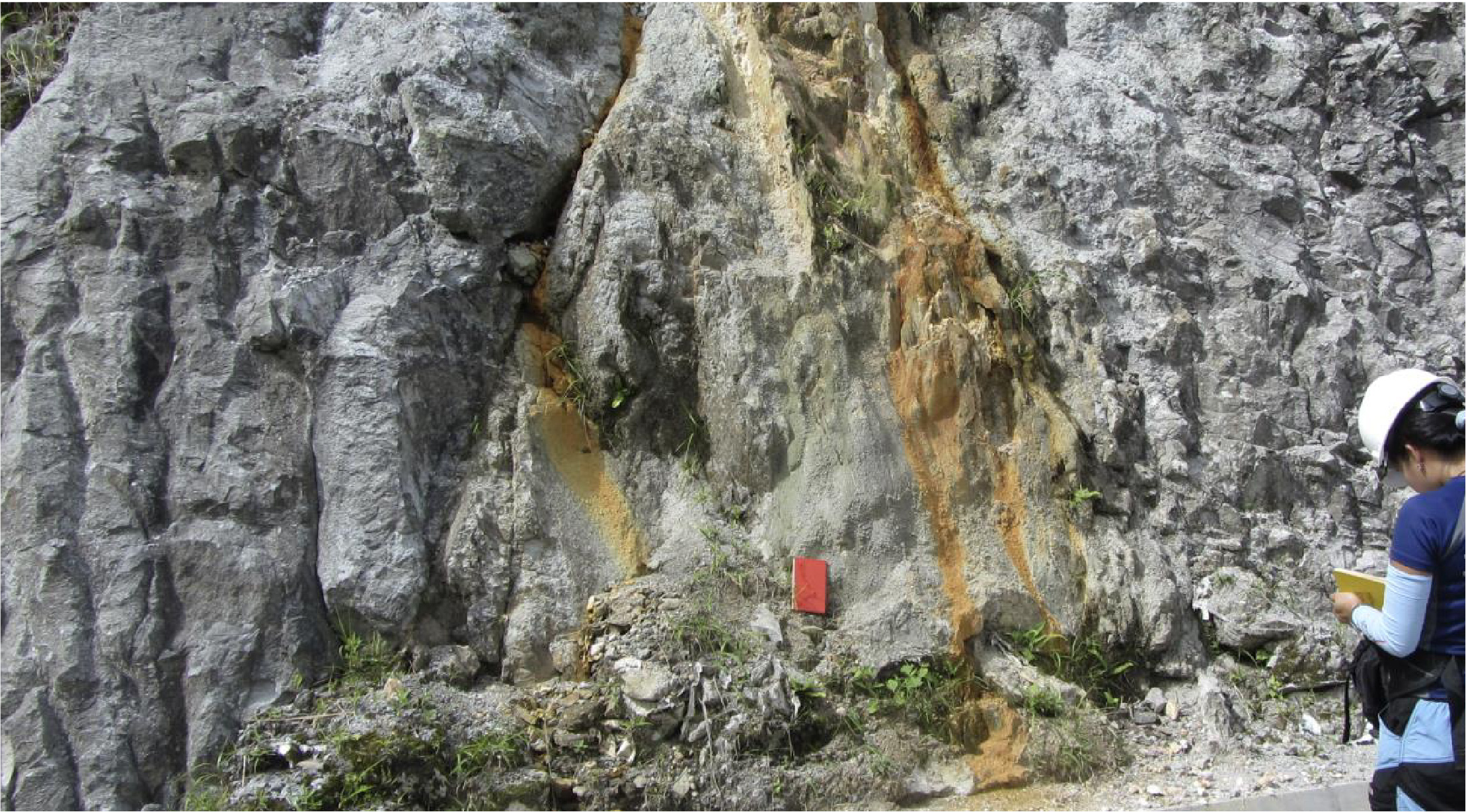
Making extensive use of virtual outcrop technologies, this course will provide participants with a field trip itinerary that includes contrasting natural fracture networks from a wide range of rock types and structural settings. The course will combine fieldwork-based appraisal of fractures with collation and processing of different types of fracture data and their practical uses in GeoEnergy Transition applications.

Duration and Logistics

Classroom version: A 3-day course comprising a mix of lectures, case studies and exercises. The manual will be provided in digital format and participants will be required to bring a laptop or tablet computer to follow the lectures and exercises.

Virtual version: Five 3.5-hour interactive online sessions presented over 5 days. A digital manual and exercise materials will be distributed to participants before the course. Some reading and exercises are to be completed by participants off-line.

Level and Audience

Intermediate. The course is intended for geoscientists looking to understand the importance of fracture systems and to learn practical methods of appraising natural fracture networks. Target participants include geologists, geoengineers and hydrogeologists, as well as oil and gas professionals looking to apply their existing expertise in new sectors.

Objectives

You will learn to:

  1. Describe the geometry and morphology of individual fractures in outcrop, and interpret the mode of fracturing.
  2. Assess relative timing of fractures, and designate fractures to different sets.
  3. Supplement outcrop data with interpretation from aerial and satellite imagery.
  4. Characterize spatial properties of the fracture network, including spacing, clustering and scaling (size-intensity) relationships.
  5. Evaluate the nature of fracturing in relation to larger scale features: folds, faults and mechanical stratigraphy.
  6. Collate fracture data to produce a conceptual fracture model.
  7. Understand the interplay between fractures and matrix, in terms of porosity and permeability, and the implications for fluid storage and flow.
  8. Predict the general performance of a fracture network in practical GeoEnergy Transition applications.
  9. Recognize the strengths and limitations of different sources of fracture data, and the advantage of combining field data with other data types.

An Introduction to Geospatial Workflows (G510)

Tutor(s)

Richard Jones: Managing Director, Geospatial Research Ltd.

Overview

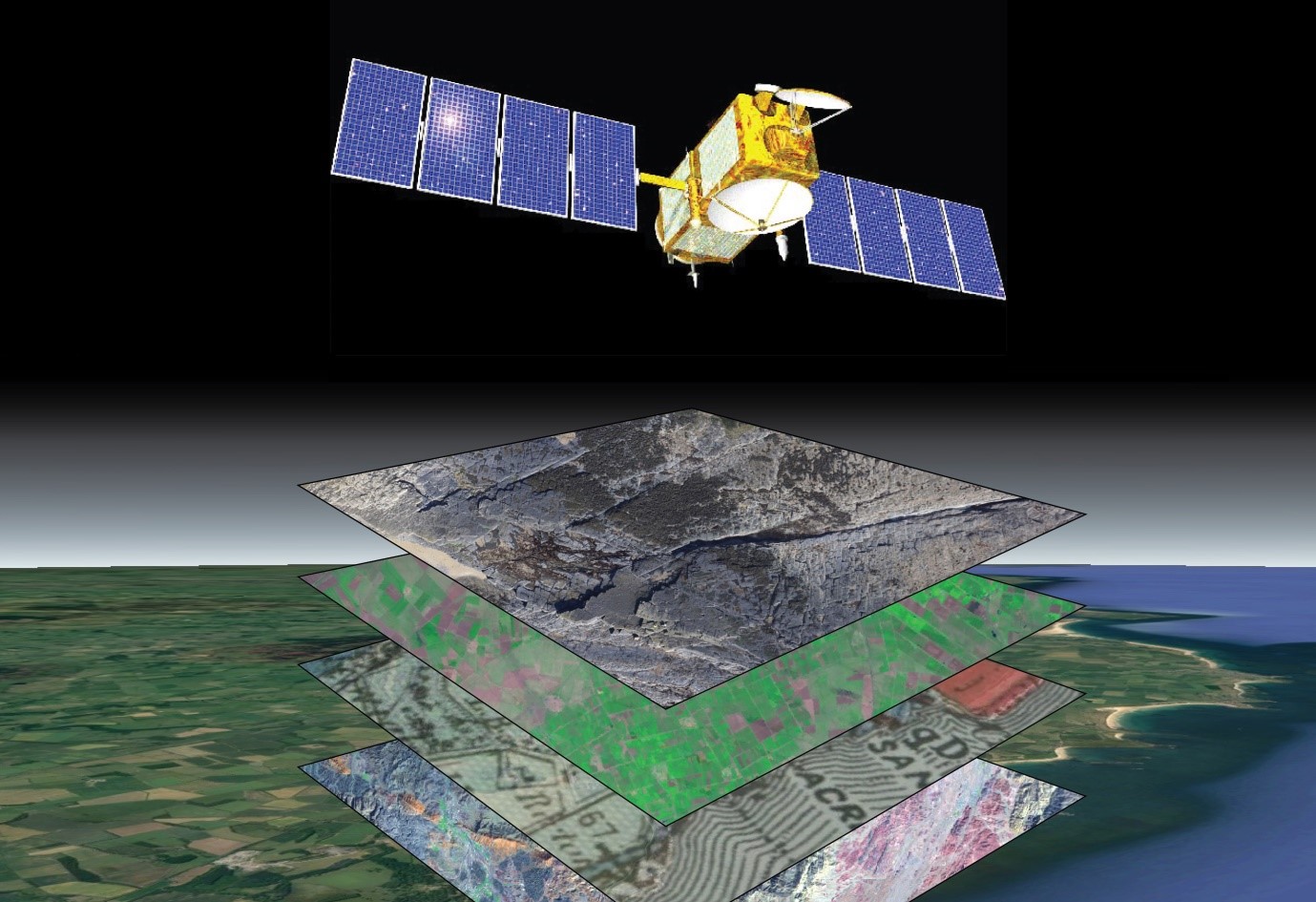
This course provides a broad overview of geoinformatics and the practical application of geospatial technologies to tackle key challenges of the GeoEnergy Transition.

Duration and Logistics

Classroom version: A 1.5-day course comprising a mix of lectures, case studies and exercises. The manual will be provided in digital format and participants will be required to bring a laptop or tablet computer to follow the lectures and exercises.

Virtual version: Three 3.5-hour interactive online sessions presented over 3 days. A digital manual and exercise materials will be distributed to participants before the course. Some reading and exercises are to be completed by participants off-line.

Level and Audience

Fundamental. The course is intended for any geoscientists looking to increase their understanding and practical experience of spatial data and workflows.

Objectives

You will learn to:

  1. Recognise different types of spatial data, and how they can be represented and stored in Geographic Information Systems (GIS) and related software.
  2. Describe the pros and cons of 2-D and 3-D geospatial user interfaces as a primary way to organize and access data.
  3. Understand spatial resolution, precision and accuracy.
  4. Assess different approaches to evaluating spatial data, including geostatistics and geospatial analysis.
  5. Download and process earth observation satellite imagery.
  6. Acquire and process Global Navigation Satellite System (GNSS) data for high precision spatial positioning.
  7. Evaluate current trends in the GeoEnergy Transition.

Geology and Fractures for High Enthalpy Geothermal (G507)

Tutor(s)

David McNamara: Lecturer in the Department of Earth, Ocean and Ecological Sciences, University of Liverpool.

Overview

This course covers aspects of geoscience relevant to high enthalpy geothermal systems. It will introduce the geothermal system play concept and geothermal field classification. Teaching materials and exercises will provide skill development in how to characterize important aspects of the geology of these geothermal systems from structural networks, permeability, geomechanics and more.

Duration and Logistics

Classroom version: A 3-day course comprising a mix of lectures, case studies and exercises. The manual will be provided in digital format and participants will be required to bring a laptop or tablet computer to follow the lectures and exercises.

Virtual version: Five 3.5-hour interactive online sessions, comprising three lecture sessions and two practical sessions (one on working with borehole image logs in geothermal wells and interpreting these datasets, and the other on stress field characterization from well data). The sessions are presented over 5 days. A digital manual and exercise materials (including well logs) will be distributed before the course. Some reading and exercises are to be completed by participants off-line.

Level and Audience

Advanced. The course is intended for all career stage industry professionals and early career researchers with a geoscience or geo-engineering background, including those with a familiarity in oil and gas production.

Objectives

You will learn to:

  1. Recognize the geological components of a geothermal system play.
  2. Understand the range of data required to characterize a fractured geothermal reservoir.
  3. Characterize fracture and stress data from a geothermal reservoir that can be used in geomechanical models and flow models.
  4. Determine potential geological controls on well permeability.

Introduction to Low Enthalpy Geothermal Exploration (G506)

Tutor(s)

Mark Ireland: Senior Lecturer in Energy Geoscience, Newcastle University.

Overview

This course covers all aspects of low enthalpy geothermal exploration and production. It is intended as an introduction to the entire lifecycle of low enthalpy geothermal resources, covering aspects of geoscience and engineering.

Duration and Logistics

Classroom version: A 3-day course comprising a mix of lectures, case studies and exercises. The manual will be provided in digital format and participants will be required to bring a laptop or tablet computer to follow the lectures and exercises.

Virtual version: Five 3.5-hour interactive online sessions presented over 5 days. A digital manual and exercise materials will be distributed to before the course. Some reading and exercises are to be completed by participants off-line.

Level and Audience

Intermediate. The course is intended for all career stage industry professionals and early career researchers with a geoscience or geo-engineering background, including those with a familiarity in oil and gas production.

Objectives

You will learn to:

  1. Understand the applications and use of low enthalpy geothermal energy.
  2. Recall the basic principles of heat generation within the upper crust.
  3. Describe the key characteristics of geothermal resources and reservoirs.
  4. Understand the production options for low enthalpy geothermal resources.
  5. Appreciate project risks and uncertainties in developing geothermal resources.