
World-class training for the modern energy industry

Introduction to Clastic Reservoirs: Stratigraphic and Structural Heterogeneities that Impact Performance (G047)

Tutor(s)

Mike Boyles: Retired Shell Oil; Affiliate Faculty, Colorado School of Mines.

Overview

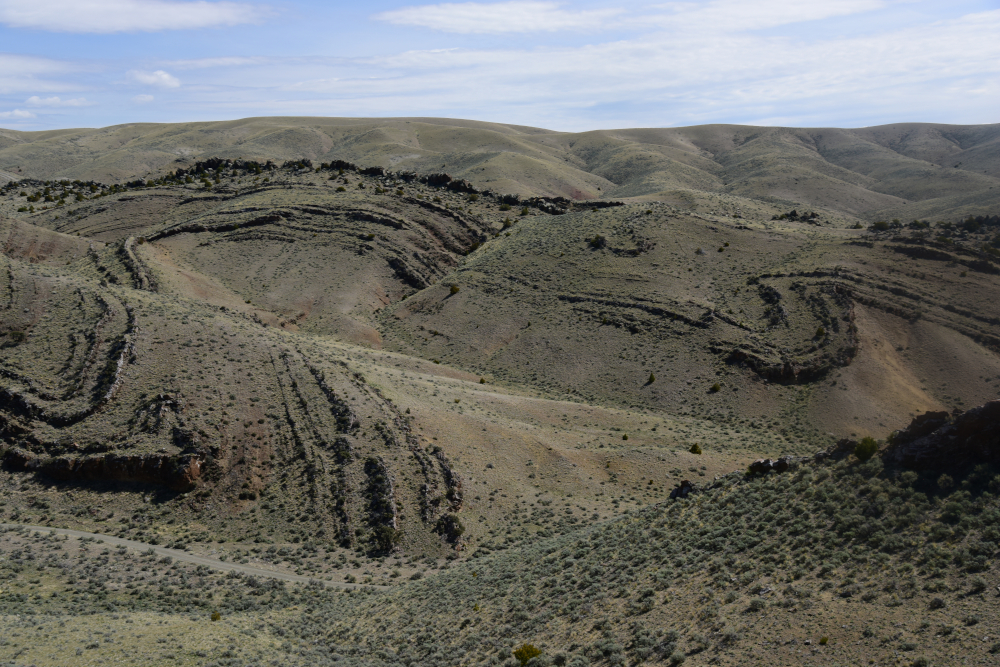
This is a 5-day in-depth introduction to clastic reservoirs, with a focus on stratigraphic and structural heterogeneities that impact reservoir prediction and production. The course will benefit any subsurface team member that is concerned about how variations in the geology might impact reservoir performance. Taking this course will allow one to better interpret subsurface data sets and outcrop exposures, resulting in a better understanding of the impact of stratigraphic and structural heterogeneities on reservoir performance.

It is recommended that you take this class before taking Clastic Reservoirs Field Seminar: Stratigraphic and Structural Heterogeneities That Impact Reservoir Performance, Colorado and Utah (G012) in order to make better outcrop observations and understand the terminology used in field discussions. This will maximize the benefit of time spent in the field for G012 participants.

Duration and Logistics

Classroom version: 5 days; a mix of lectures (75%) and hands-on exercises (25%). The manual will be provided in digital format and participants will be required to bring a laptop or tablet computer to follow the lectures and exercises.

Virtual version: Five 4-hour interactive online sessions presented over 5 days. A digital manual and exercise materials will be distributed to participants before the course. Some reading and several exercises are to be completed by participants off-line.

Level and Audience

Fundamental. It is a background course for subsurface team members to teach geologic basics that are often missed when predicting/understanding reservoirs. These basics can be applied to better predict reservoir performance for estimating reservoir productivity in exploration projects. It also allows for better field development planning and provides understanding of conformance issues within an existing field.

Objectives

You will learn to:

  1. Understand detailed facies analysis within deposits of wave dominated deltas, fluvial dominated deltas, fluvial systems, tidal/estuarine, eolian and turbidites.
  2. Recognize key facies in cores and logs.
  3. Use depositional models to make better reservoir geometry predictions.
  4. Divide subsurface reservoirs into flow units that capture key reservoir flow characteristics and heterogeneities at a variety of reservoir model scales.
  5. Communicate and discuss flow unit properties with subsurface team disciplines.
  6. Use key sequence stratigraphic concepts in a practical and predictive way.
Applied Concepts in Fractured Reservoirs with Discussions on Production, EOR, CO2 Sequestration and Geothermal Energy (G039)

Tutor(s)

John Lorenz: Co-founder and Partner, FractureStudies LLC.

Scott Cooper: Co-founder and Partner, FractureStudies LLC.

Overview

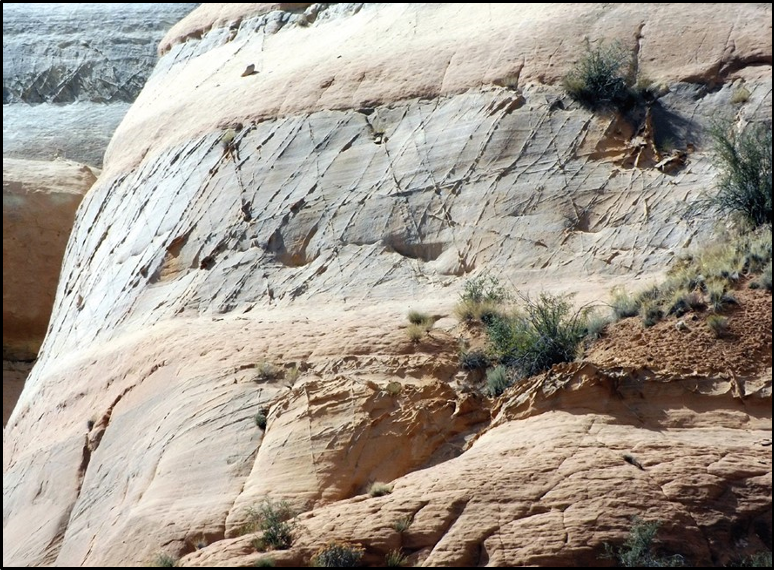
This course explores the wide range of structures that fall under the term ‘fracture’ and examines the effects of different fracture types on permeability in conventional and unconventional hydrocarbon reservoirs, and for EOR, CO2 sequestration and geothermal energy applications. The course establishes an understanding of natural fractures by explaining fracture mechanics and the origins of fractures, and then presents practical approaches to analyzing and working with fractures. Topics will include: collecting fracture data; measuring fracture attributes; differentiating natural from induced fractures; calibrating fracture data (from core, CT scans, outcrops, image logs and seismic); and determining in situ stresses. The course also describes how to predict fracture types in different structural domains and in different types of reservoirs, how the differences between extension and shear fractures control both individual fracture permeability and fracture network interconnectedness, and how to assess the interaction between natural and hydraulic stimulation fractures. Discussions of the applications to CO2 sequestration, geothermal energy, hydrocarbon reservoirs and enhanced recovery are included.

Duration and Logistics

Classroom version: A 3-day classroom course comprising a mix of lectures (80%) and hands-on exercises (20%). The manual will be provided in digital format and participants should bring a laptop or tablet computer to follow the lectures and exercises. A highlight of the classroom version is the inclusion of a hands-on, 65-plus piece teaching collection of natural and induced fractures in core.

Virtual version: Five 4-hour interactive online sessions presented over 5 days. A digital manual and exercise materials will be distributed to participants before the course. Some reading and exercises are to be completed by participants off-line.

Level and Audience

Advanced. Intended for geoscientists, reservoir and completion engineers, and petrophysicists, who wish to characterize and understand fracture systems and their effects on reservoir permeability and fluid flow. The class includes assessing how fracture permeability is affected by the in-situ stress system, and the interaction of natural fractures with hydraulic stimulation fractures.

Objectives

You will learn to:

  1. Appreciate how different fracture types have different effects on reservoir permeability and fluid flow.
  2. Assess how fracture types can vary by lithology within the same structural setting.
  3. Establish how fracture types can vary by structural setting within the same lithology.
  4. Assess fracture permeability and how it can be sensitive to changes in the in-situ stress during production and injection.
  5. Recognize fracture type using the small sampling of a reservoir offered by core and how this can provide a conceptual model for differentiating radial from anisotropic drainage, or flow away from the well during injection.
  6. Appreciate the interaction of natural fractures with hydraulic stimulation fractures as utilized in hydrocarbon, sequestration and geothermal industries, depending on fracture type and orientation relative to the in-situ stresses.
  7. Use insights into fracture mechanics and the origins of fractures, and gain an understanding of natural fractures and their potential effects on fluid flow.

Uncertainty and Risk in Development: Quantifying Subsurface Risk and Uncertainty for Producing Assets (G038)

Tutor(s)

Mark Bentley or Mark Cook: TRACS International Consultancy.

Overview

The quantification of risk and uncertainty is often discussed in the context of exploration and appraisal, yet most of the upstream E&P business concerns decision-making in producing assets. Handling uncertainty in development and production must deal with a growing and often imperfect production database, against a backdrop of constantly changing circumstances. As the life cycle progresses, initial uncertainties over volume and productivity narrow but are supplanted by new uncertainties, such as sweep efficiency, fine scale architecture and changing responses to new production mechanisms and techniques. These new issues demand a change in approach for the quantification of uncertainty, and vigilance is required to avoid the subsurface interpretation simply collapsing to a best guess. This short, focused workshop explores the key aspects required to manage subsurface uncertainties and associated risks during the producing field life, in terms of people, tools and approach. It will close with a set of questions to ask yourself and others, suitable for reference in informal personal or team reviews, peer reviews and peer assists.

Duration and Logistics

Classroom version: A 1-day course comprising a mix of lectures, case studies and exercises. The manual will be provided in digital format and participants will be required to bring a laptop or tablet computer to follow the lectures and exercises.

Virtual version: Two 4-hour interactive online sessions presented over 2 days. A digital manual and exercise materials will be distributed to participants before the course. Some reading and several exercises are to be completed by participants off-line.

Level and Audience

Advanced. Designed for geoscientists, reservoir engineers, petrophysicists, well technologists, team leaders and management involved in the quantification of risk and uncertainty in fields under development or in production. The class will provide an opportunity for learning, inspiration and discussion with other modelers.

Objectives

You will learn to:

  1. Resolve misunderstandings over definitions in risk and uncertainty.
  2. Understand the key differences between uncertainty and risk in development, compared to exploration and appraisal.
  3. Explain and mitigate common errors in handling probability.
  4. Describe workflows for handling risk and uncertainty in development decisions.
  5. Account for the impact of cognitive bias in E&P, and what to do about it.

Reservoir Engineering Fundamentals: The Essentials in a Day (G037)

Tutor(s)

Mark Cook: Associate Reservoir Engineer at TRACS International Consultancy and Independent Engineer at Delta-T Energy Consultancy.

Overview

Have you been on reservoir engineering classes in the past, heard the terms, seen the equations but not used any of it directly yourself? Would you like someone to run over the basics and just pick out the essentials, the parts everyone really needs to know? This short, focused class is designed to explain how reservoir engineers make subsurface interpretations, use these to build models to make forecasts and use these in turn to influence significant investment decisions. The course will cover what types of models the reservoir engineer uses, from simple analytical (graphical and spreadsheet) tools to more complex numerical simulators. It will put in context the key fundamentals of rock and fluid properties, reservoir deliverability, well performance and process design. The course will also illustrate how these fundamentals and the commercial E&P context place constraints on forecasts, and why a significant associated range of uncertainty results. This will be done in plain language accessible to those working outside reservoir engineering with the aim of giving you what you need to know to understand the subject – just the essential details.

Duration and Logistics

Classroom version: A 1-day classroom course comprising a combination of lectures and exercises. The manual will be provided in digital format and participants should bring a laptop or tablet computer to follow the lectures and exercises.

Virtual version: Two 4.5-hour interactive online sessions presented over 2 days. A digital manual and exercise materials will be distributed to participants before the course. Some reading and several exercises are to be completed by participants off-line.

Level and Audience

Fundamental. Designed for those who interface with reservoir engineering professionals and need to understand the language, techniques and assumptions they make in forecasting reservoir performance under various development schemes. The class will provide an opportunity for learning, inspiration and discussion.

Objectives

You will learn to:

  1. Understand the principles of fluid flow in porous media (reservoirs).
  2. Recognize how fluid properties influence reservoir, well and processing performance.
  3. Distinguish the benefits and limitations of well testing.
  4. Understand how engineers decide on reservoir development methods, predict recovery factors and production profiles for oil and gas reservoirs.
  5. Appreciate that not all reservoir models need to be complex and understand when simple models suffice and when complex numerical simulation models are justifiable.
  6. Recognize tools used for reservoir monitoring and standards for reporting reserves.

How to Make a Good Reservoir Model: It’s Not the Software, It’s the Design (G036)

Tutor(s)

Mark Bentley: TRACS International Consultancy and Langdale Geoscience.

Overview

How can you tell the difference between a ‘good’ reservoir model and a ‘bad’ one? This short, focused class is designed to draw out the common reasons for ‘good’ and ‘bad’ outcomes, under the premise that models add value only when they add clear value to business decisions. The theme throughout the event will be the overriding issue of model design and the five areas of common error: model purpose; selection of elements; use of determinism and probability; model scale; and uncertainty handling. Advice will be given on how to review models, what questions to ask the model builders, and how to determine whether the output from models can be relied upon and used to support decisions. The course will close with a set of questions to ask yourself and others, suitable for reference in peer reviews or assists.

Duration and Logistics

Classroom version: A 1-day course comprising a mix of lectures, case studies and exercises. The manual will be provided in digital format and participants will be required to bring a laptop or tablet computer to follow the lectures and exercises.

Virtual version: Two 4-hour interactive online sessions presented over 2 days. A digital manual and exercise materials will be distributed to participants before the course. Some reading and several exercises are to be completed by participants off-line.

Level and Audience

Fundamental. Designed for people who want an update or refresh on working with reservoir models without having to spend a week out of the office. The class will provide an opportunity for learning, inspiration and discussion with other modelers.

Objectives

You will learn to:

  1. Explain the common causative factors for modelling ‘disappointments’.
  2. Define model purpose and explain the use of framing.
  3. Understand the fluid sensitivity to selection of model elements.
  4. Describe techniques for handling small-scale detail in large models.
  5. Be able to select between techniques for quantifying uncertainty.
  6. Implement QC tips to evaluate your (and other people’s) models.

The Essentials of Rock Physics and Seismic Amplitude Interpretation (G075)

Tutor(s)

Eleanor Oldham: Senior Geophysicist, Merlin Energy Resources.

Overview

This course introduces participants to the principles, workflows and limitations of interpreting seismic data using rock physics. The principal topics to be covered include how AVO works, what should the interpreter expect, rock physics inputs for seismic models, rock properties from seismic and rock physics in prospect risking.

Duration and Logistics

Classroom version: A 4-day in-person course, comprising a mix of lectures and interactive learning through worked Excel examples. The course manual will be provided in digital format.

Virtual version: Eight 3-hour live online sessions presented over 8 days, comprising a mix of lectures and interactive learning through worked Excel examples. The course manual will be provided in digital format.

Level and Audience

Fundamental. The course is largely aimed at geoscientists, reservoir engineers and petrophysicists wanting an introduction to the subject of rock physics and seismic amplitude interpretation.

Objectives

You will learn to:

  • Construct a simple AVO model and apply it to seismic interpretation in different AVO settings.
  • Illustrate the characteristics of seismic wavelets and approaches to synthetic well ties with reference to models.
  • Demonstrate the use of rock physics for seismic modelling and Gassmann’s equation in fluid substitution.
  • Tackle a variety of rock physics issues, including fluid substitution in shaly and laminated sands, modelling of tight sands and log editing.
  • Differentiate AVO techniques and practical AVO issues, including the potential for interpretation ambiguity and data quality.
  • Apply band limited impedance with respect to net pay prediction and their limitations.
  • Implement the use of Bayesian update to evaluate probability in inversion and risking.

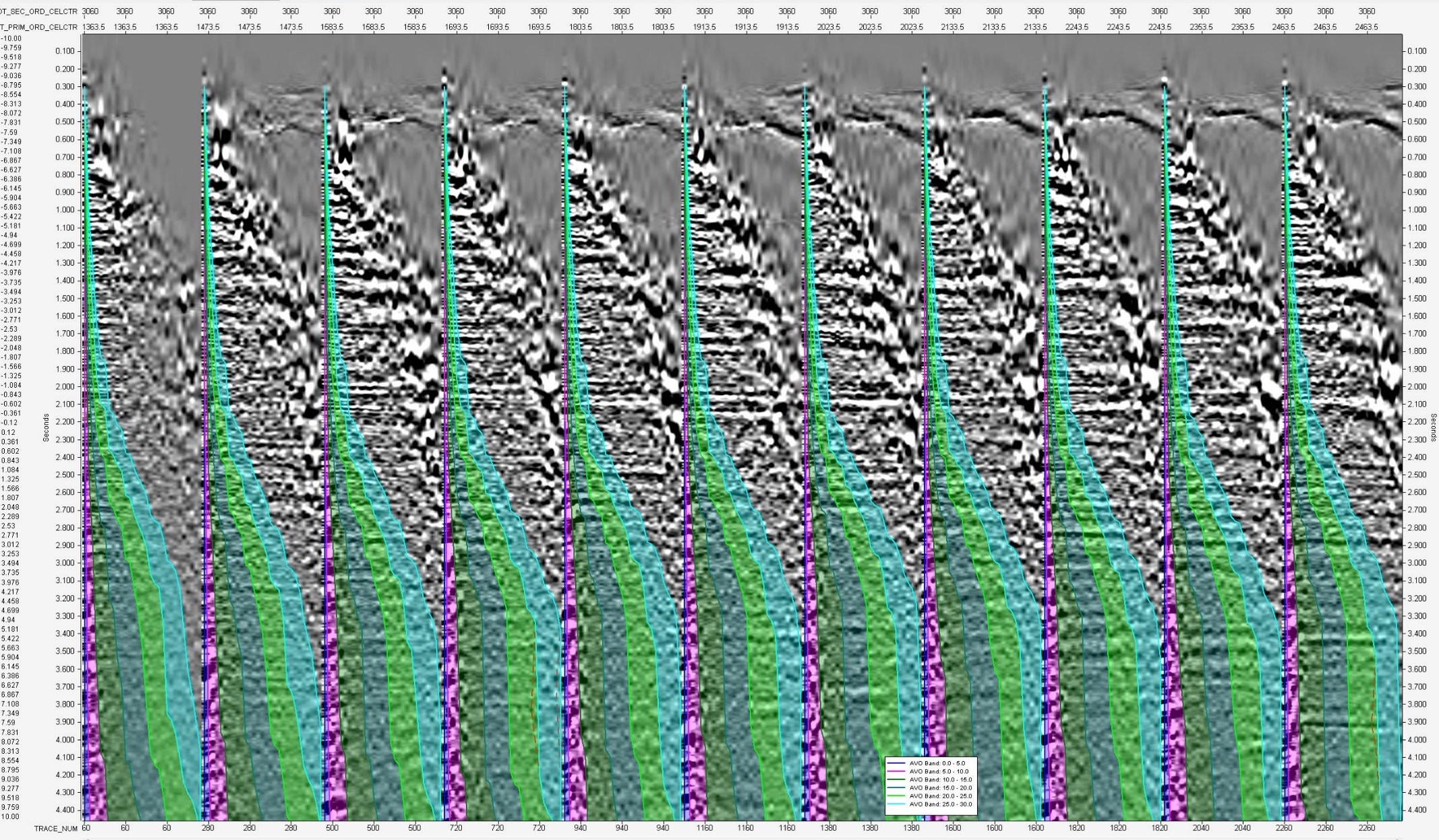
Seismic Processing Workflows (G072)

Tutor(s)

Rob Hardy: Director, Tonnta Energy Limited.

Overview

This course will provide participants with the skills needed to liaise with specialists and implement workflows for seismic data acquisition and processing. Using modern case histories and basic theory, the course covers fundamentals, established workflows and advanced technology. Participants will use interactive processing tools to improve their understanding of the latest techniques and learn how to apply them effectively and efficiently to meet their objectives.

Duration and Logistics

Classroom version: A 3-day in-person course, comprising a mix of lectures with examples (90%), laptop-based exercises and discussion (10%). The manual will be provided in digital format and participants will be required to bring a laptop or tablet computer to follow the lectures and exercises.

Virtual version: Six 3-hour interactive online sessions presented over 6 days, comprising a mix of lectures, discussion and interactive exercises using case histories to illustrate the basic theory and impact of the techniques discussed. The participants will use a series of web-based software modules to experience the processing options available and learn how to combine the basic tools together to build a flow which meets objectives. A digital manual and exercise materials will be distributed to participants before the course. Some reading and several exercises are to be completed by participants off-line.

Level and Audience

Intermediate. This course is aimed at geoscientists seeking an overview of seismic acquisition techniques and processing methods, and those who wish to liaise effectively with specialists to improve their decision making and deliver objectives. A geophysics refresher is provided but it is helpful if participants have a basic knowledge of seismic acquisition and processing terminology and are actively working with seismic data.

Objectives

You will learn to:

  1. Compare the most common seismic acquisition and processing techniques used in seismic exploration and production, and become more proficient in the terminology used to describe them.
  2. Establish how survey design, earth model building and selection of migration algorithm can affect accuracy of interpretation in depth.
  3. Optimize the impact of seismic processing parameter selection for specific objectives such as amplitude interpretation for exploration and reservoir characterization.
  4. Demonstrate a typical seismic processing workflow covering data preparation, parameterization, noise and multiple suppression, velocity model building, and the imaging process, discussing likely issues at each step.
  5. Compare newer acquisition and processing techniques alongside their potential benefits and pitfalls.
  6. Liaise effectively with specialists, develop workflows and optimize decisions based on quality and cost.

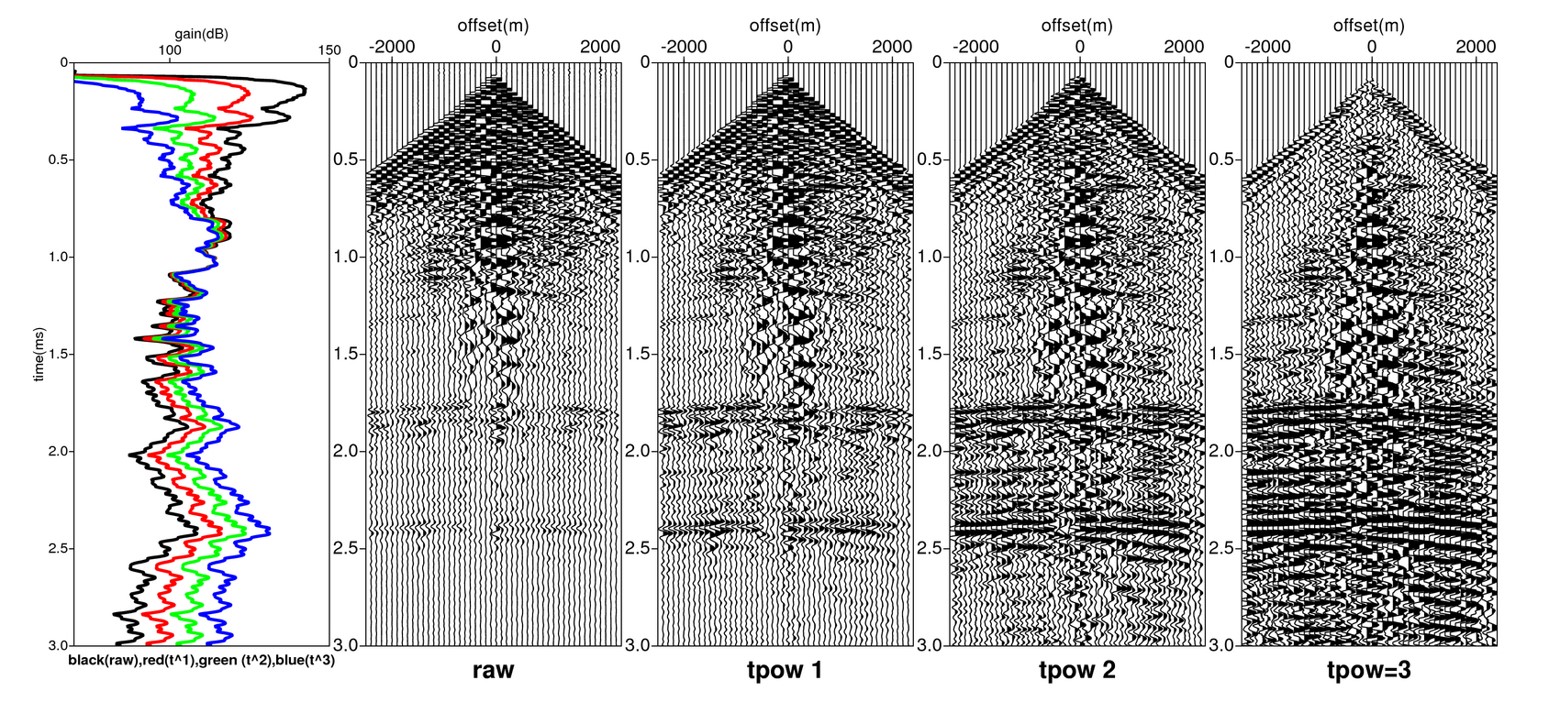
Fundamentals of Seismic Processing (G071)

Tutor(s)

Rob Hardy: Director, Tonnta Energy Limited.

Overview

This course will provide participants with fundamentals needed to liaise with specialists and discuss workflows for seismic data acquisition and processing. Using modern case histories and basic theory, the course covers fundamentals, established workflows and advanced technology. Participants will use interactive processing tools to improve their understanding of the latest techniques, learn how to apply them effectively and efficiently to meet their objectives.

Duration and Logistics

Classroom version: A 2-day in-person course, comprising a mix of lectures with examples (90%), laptop-based exercises and discussion (10%). The manual will be provided in digital format and participants will be required to bring a laptop or tablet computer to follow the lectures and exercises.

Virtual version: Four 3-hour interactive online sessions presented over 4 days, comprising lectures, discussion and interactive exercises using case histories to illustrate the basic theory and impact of the techniques discussed. The participants will use a series of web-based software modules to experience the processing options available and learn how to combine the basic tools to build a flow which meets objectives. A digital manual and exercise materials will be distributed to participants before the course. Some reading and several exercises are to be completed by participants off-line.

Level and Audience

Fundamental. This course is aimed at geoscientists who wish to understand the fundamentals of seismic acquisition techniques and processing methods and to aid more effective liaison with specialists. We start from first principles, but it is helpful if participants have a basic knowledge of seismic acquisition and processing terminology and are actively working with seismic data.

Objectives

You will learn to:

  1. Discuss the most common seismic acquisition and processing techniques used in seismic exploration and production, and become more proficient in the terminology used to describe them.
  2. Outline how survey design, earth model building and selection of migration algorithm can affect accuracy of interpretation in depth.
  3. Recognize seismic processing parameter selection for specific objectives, such as amplitude interpretation for exploration and reservoir characterization.
  4. Discuss a typical seismic processing workflow covering data preparation, parameterization, noise and multiple suppression, velocity model building and the imaging process.
  5. Become aware of newer acquisition and processing techniques alongside their potential benefits and pitfalls.

Introduction to Subsurface Pressures (G085)

Tutor(s)

Richard Swarbrick: Manager, Swarbrick GeoPressure.

Overview

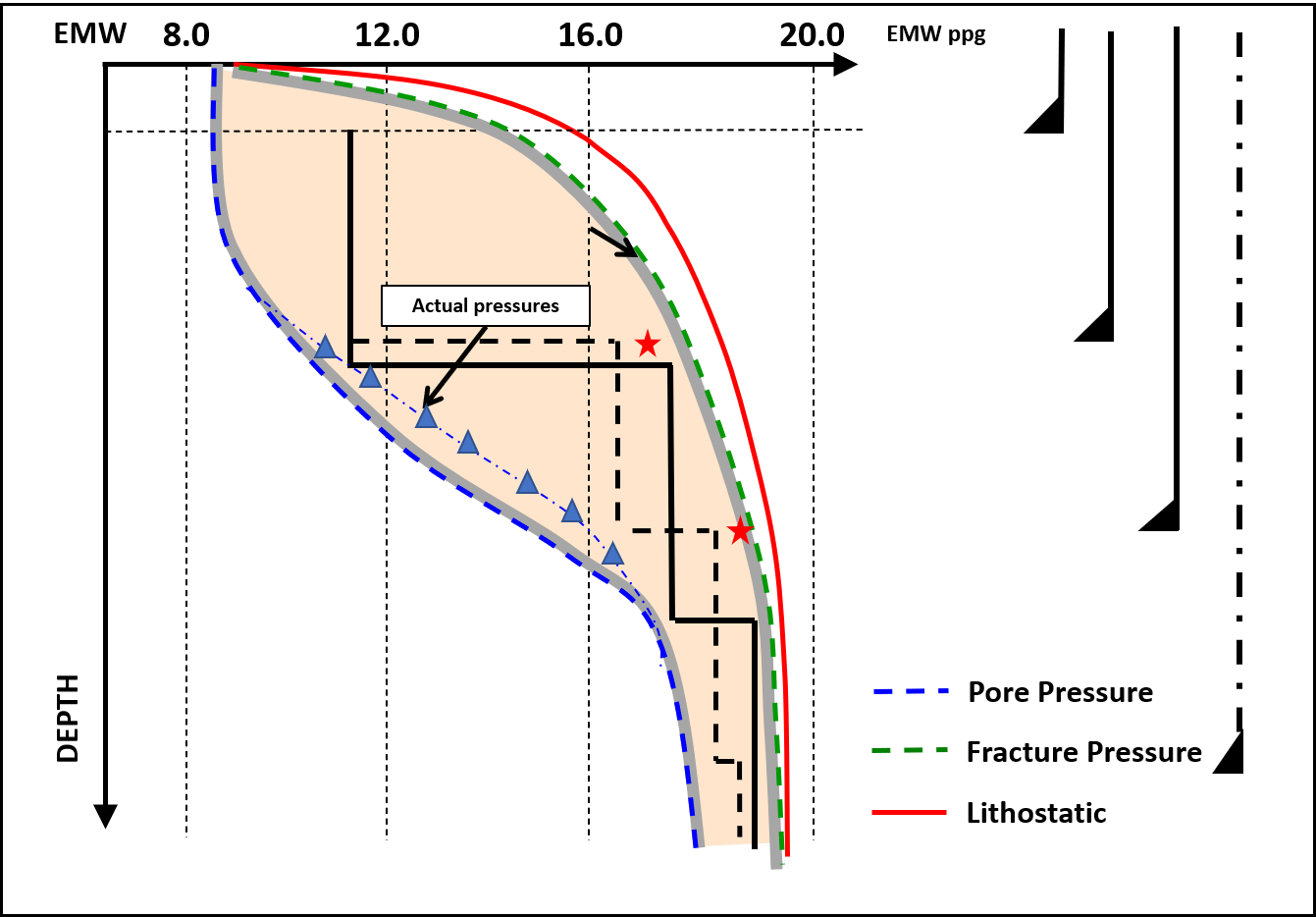
This course introduces attendees to subsurface fracture pressures and fluid pressures, their relevance to subsurface phenomena and assessing risk in deep boreholes. An understanding of pressure is critical for subsurface industries including oil/gas exploitation, carbon sequestration, geothermal energy, waste disposal and hydrogeology, as well as surface aspects such as slope failure. The course teaches the details of what data can be collected and how it can be visualized and interpreted, underpinning more detailed geological and engineering studies.

Duration and Logistics

Classroom version: A 2-day course comprising a mix of lectures, case studies and exercises. The manual will be provided in digital format and participants will be required to bring a laptop or tablet computer to follow the lectures and exercises.

Virtual version: Four 3.5-hour interactive online sessions presented over 4 days. A digital manual and exercise materials will be distributed to participants before the course. The course is rich in exercise material to build up participants’ understanding and confidence in a variety of techniques.

Level and Audience

Fundamental. Intended for all hydrologists, geologists, geophysicists and geomechanical and reservoir engineers. Knowledge of subsurface geology is not required but would be an advantage. Highly relevant to all who are studying the subsurface and especially those engaged in deep drilling and storage.

Objectives

You will learn to:

  1. Understand how fluid pressure and fracture pressure are relevant to subsurface geology.
  2. Evaluate the types of pressure data and measurements possible in the subsurface.
  3. Create plots and maps of pressure data to solve subsurface puzzles (e.g. compartmentalization of reservoirs; distinguishing between hydrodynamic vs hydrostatic flow conditions; and recognition of abnormal pressures).
  4. Appreciate the link between fluid pressure and fracture pressure, and appropriate coupling values.
  5. Recognize how and where pressure data relate to specific events (e.g. slope failure; surface fluid release phenomena; earthquakes and other ground movements).

Prospect Generation, Assessment and Risking (G026)

Tutor(s)

Rene Jonk: Director, ACT-Geo Consulting and Training; Honorary Professor, University of Aberdeen.

Overview

This hands-on course enables attendees to enhance their mapping skills and their critical evaluation of prospects. This course demonstrates how to use play fairway mapping and petroleum system analyses to identify plays and prospects with high potential, even in areas with limited data. Once participants identify prospects, the course outlines how to derive geologically map based, objective inputs for prospect assessment and risking. This stepwise approach creates well-documented results that are used to confidently rank opportunities and make smart business decisions.

Duration and Logistics

Classroom version: 5 days; a mix of classroom lectures and discussion and exercises. The manual will be provided in digital format and participants will be required to bring a laptop or tablet computer to follow the lectures.

Level and Audience

Fundamental. This course is intended for early career geoscientists, reservoir engineers and petrophysicists.

Objectives

You will learn to:

  1. Recall play element definitions and hone mapping skills.
  2. Understand tectonic phases and play types with respect to the history of basin evolution.
  3. Interpret and integrate well and seismic data.
  4. Undertake subsurface mapping of prospects and maturation to drillable status.
  5. Risk and rank prospects.
  6. Identify and assess risks and uncertainties related to geological factors (source, reservoir, seal, trap and preservation).
  7. Evaluate prospect success.