World-class training for the modern energy industry

Introduction to Low Enthalpy Geothermal Exploration (G506)

Tutor(s)

Mark Ireland: Senior Lecturer in Energy Geoscience, Newcastle University.

Overview

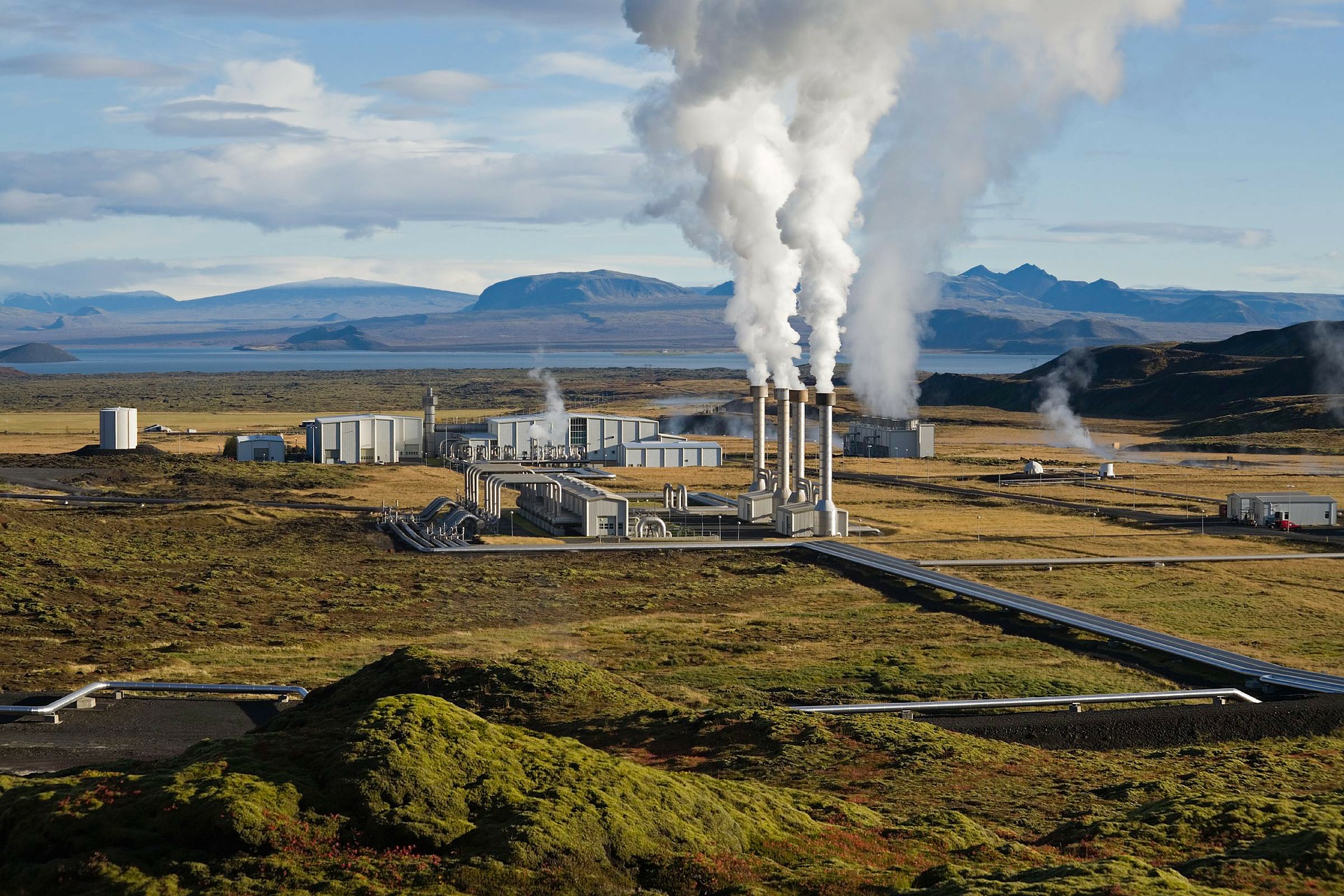
This course covers all aspects of low enthalpy geothermal exploration and production. It is intended as an introduction to the entire lifecycle of low enthalpy geothermal resources, covering aspects of geoscience and engineering.

Duration and Logistics

Classroom version: A 3-day course comprising a mix of lectures, case studies and exercises. The manual will be provided in digital format and participants will be required to bring a laptop or tablet computer to follow the lectures and exercises.

Virtual version: Five 3.5-hour interactive online sessions presented over 5 days. A digital manual and exercise materials will be distributed to before the course. Some reading and exercises are to be completed by participants off-line.

Level and Audience

Intermediate. The course is intended for all career stage industry professionals and early career researchers with a geoscience or geo-engineering background, including those with a familiarity in oil and gas production.

Objectives

You will learn to:

  1. Understand the applications and use of low enthalpy geothermal energy.
  2. Recall the basic principles of heat generation within the upper crust.
  3. Describe the key characteristics of geothermal resources and reservoirs.
  4. Understand the production options for low enthalpy geothermal resources.
  5. Appreciate project risks and uncertainties in developing geothermal resources.
Transition Skills: From Oil and Gas to Geothermal (G573)

Tutor(s)

Malcolm Ross: Consultant Geoscientist.

Overview

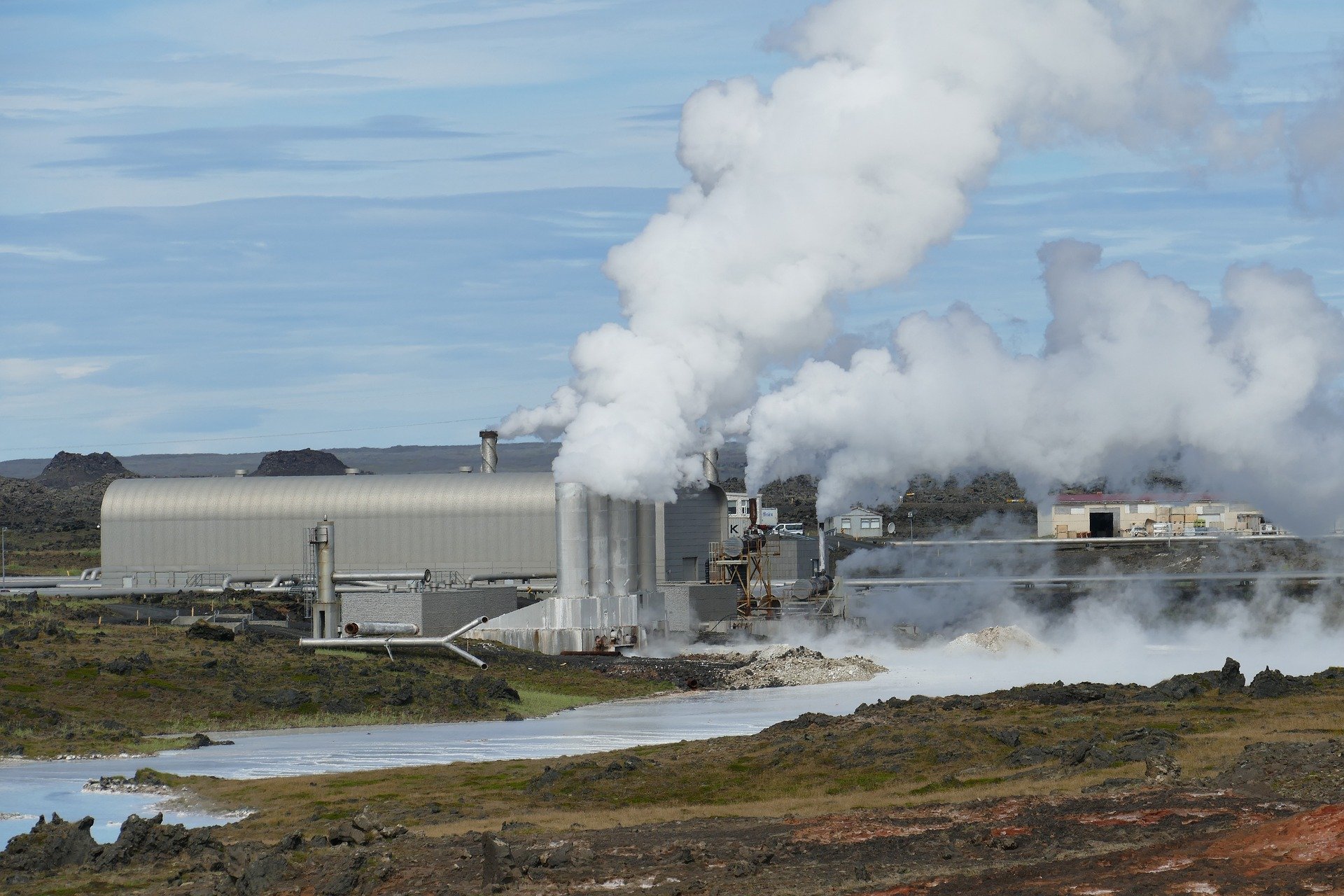
This course will offer geoscientists an understanding of how they can use and adapt their expertise gained in the oil and gas industry to the growing geothermal industry. Participants will be introduced to the fundamentals of a variety of geothermal system styles and be guided through the exploration and development of a project, focusing on subsurface workflows based on those used for oil and gas. The course is intended as an introduction to the entire lifecycle of a geothermal resource, covering aspects of geoscience and some engineering.

Duration and Logistics

Classroom version: A 3-day in-person classroom course comprising a mixture of lectures, exercises and discussion with a focus on geothermal project case studies and examples.

Virtual version: Five 3.5-hour interactive online sessions presented over five days. Digital course notes and exercise materials will be distributed to participants before the course.

Level and Audience

Fundamental. This course is designed specifically for geoscientists wanting to transition from the oil and gas industry to the geothermal sector.

Objectives

You will learn to:

  1. Describe the fundamentals of geothermal energy and how it is harnessed and used.
  2. Understand the key subsurface characteristics of geothermal resources and reservoirs.
  3. Understand what exploration tools (seismic, potential fields, geochemistry), exploration data (bottom hole temperatures, gradient surveys) and exploration approaches (basin modelling, play-based exploration) are used in geothermal exploration, which ones are in common with oil and gas, and how their uses differ.
  4. Define the subsurface geoscience requirements for a geothermal project, including the key similarities and differences with an oil and gas project.
  5. Appreciate the data types and subsurface workflows involved in a geothermal project.
  6. Examine the key project risks and uncertainties in developing geothermal resources and how they are mitigated.