World-class training for the modern energy industry

De-risking Carbonate Exploration (G008)

Tutor(s)

Paul Wright: Independent Consultant.

Overview

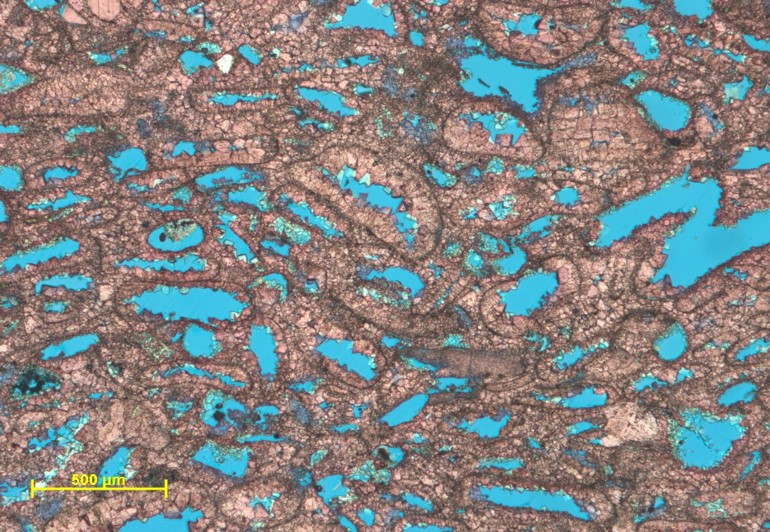
This is a ‘what you really need to know about carbonates’ course, in order to attempt to de-risk carbonate prospects. Carbonate rocks are complex; however, there are basic principles that provide a framework in which such complexity may be rendered understandable. The course focuses on large scale rules, risks, uncertainties, strategies and workflows, with a heavy emphasis on seismic facies. It does not focus on appraisal or development aspects.

Duration and Logistics

Classroom version: A 4-day classroom course comprising a mix of lectures (75%) and exercises (25%). The manual will be provided in digital format and participants will be required to bring a laptop or tablet computer to follow the lectures and exercises.

Virtual version: Eight 3-hour interactive online sessions presented over 8 days. A digital manual and exercise materials will be distributed to participants before the course. Some reading and several exercises are to be completed by participants off-line.

Level and Audience

Advanced. This course is really aimed at explorationists with at least a basic knowledge of carbonates but will also prove useful to more experienced geoscientists by providing a synthesis of recent advances in understanding carbonate reservoirs, supported by potentially highly practical methodologies for framing uncertainties for reservoir presence.

Objectives

You will learn to:

  1. Frame likely carbonate plays in relation to a given stratigraphic age and basin type.
  2. Identify the main types of carbonate platform as seen from seismic data, de-risk certain types of features and assess the likely presence of key seismic facies.
  3. Evaluate for a given interval and platform type the likely reservoir facies (platform interior, carbonate sands, reefs, slope systems and chalks) and assess the likelihood of reservoir presence.
  4. Understand how the development of primary and secondary porosity has varied through geologic time and how these changes impact upon reservoir quality.
  5. Appreciate the principal modes of formation of dolomites and the predictive uses of different dolomite models.
  6. Understand and identify the diverse origins of palaeokarstic macroporosity, associated risks and the different strategies for developing palaeokarstic reservoirs.
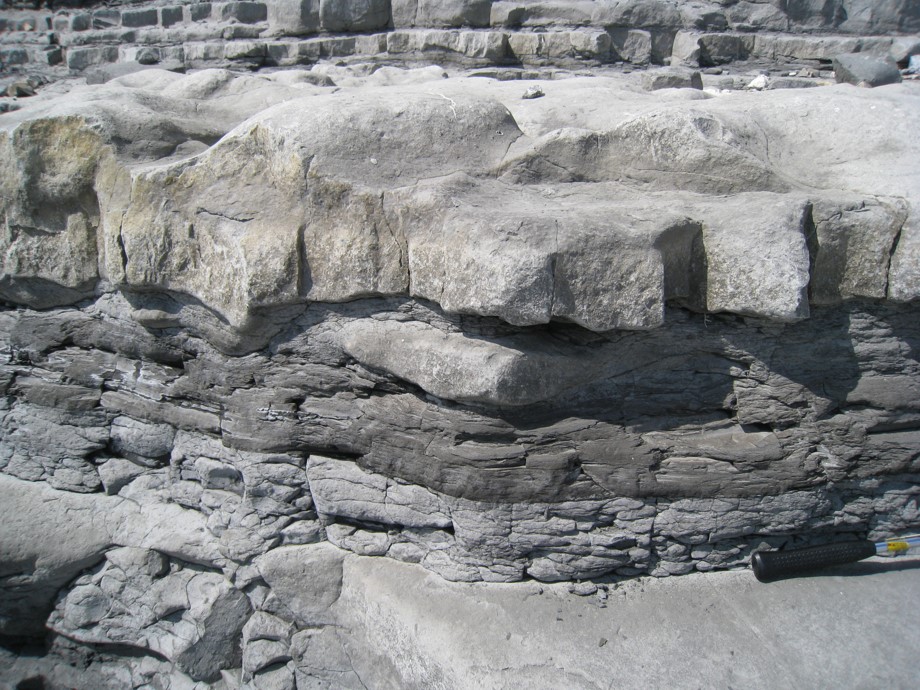
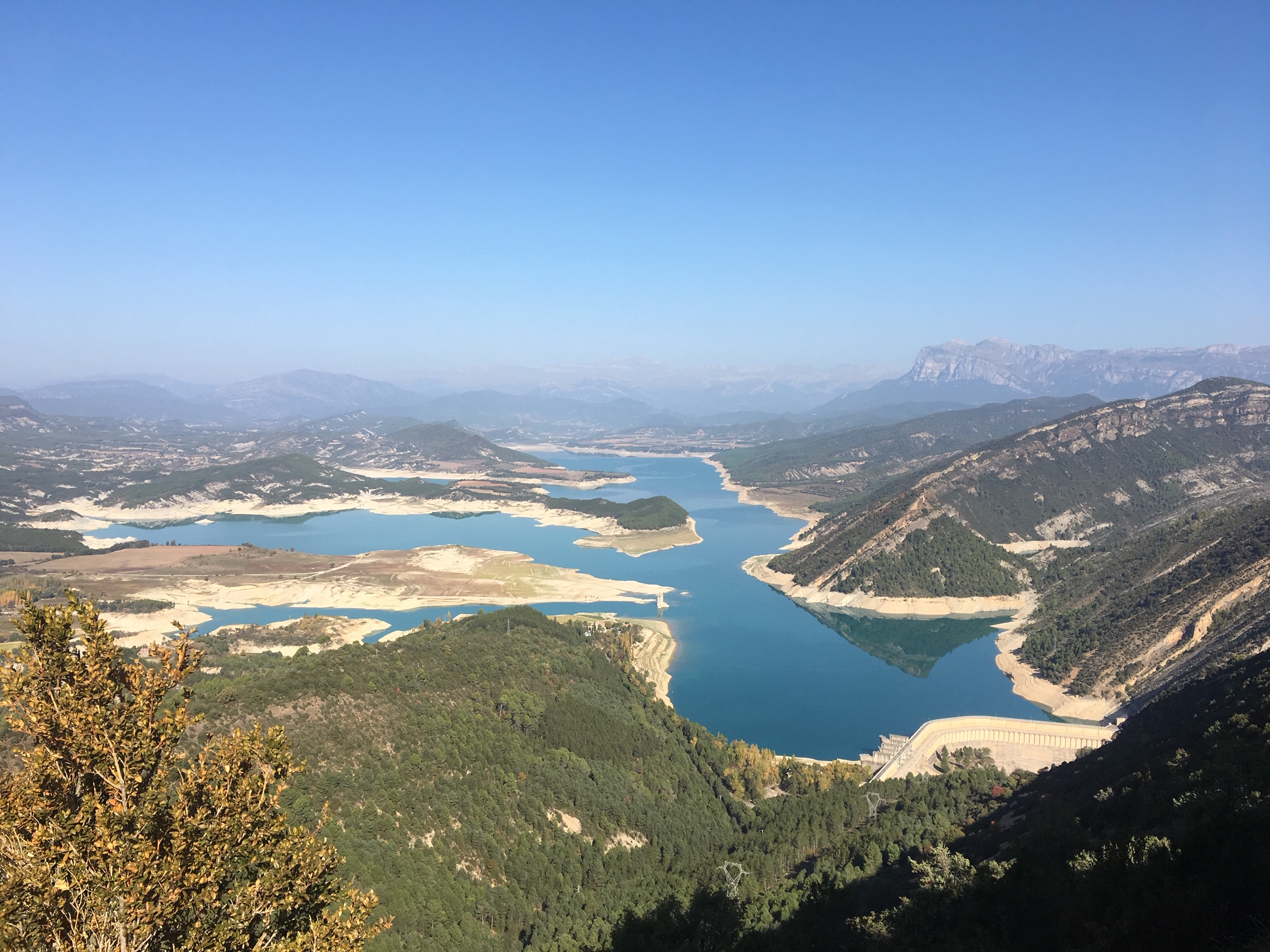
An Introduction to Clastic and Carbonate Depositional Systems (G064)

Tutor(s)

Jon Noad: Senior Palaeontologist at Stantec and President of Sedimental Services.

Overview

The aim of this course is to provide an overview of clastic and carbonate depositional settings. Different systems will be analysed in terms of their sedimentary structures, architecture and subsurface character. The first section will focus on clastic settings including aeolian, fluvial and shallow marine and especially the nature of the preserved sand bodies in the subsurface. The second section will explore the diverse topic of carbonate depositional settings, including the ranges of carbonate textures and facies that can be preserved and the different types of porosity. Each section will incorporate case studies, exercises and core examples.

Duration and Logistics

Classroom version: 3 days including a mix of lectures and exercises. The course manual will be provided in digital format and participants will be required to bring along a laptop or tablet to follow the lectures and exercises.

Virtual version: Three, 3.5 hour online sessions presented over 3 days. Digital course notes and exercises will be distributed to participants before the course.

Level and Audience

Fundamental. The course is largely aimed at geoscientists who are working on subsurface projects where a wide-ranging understanding of both clastic and carbonate depositional systems is required.

Objectives

You will learn to:

  1. Recognise different clastic environments of deposition including fluvial, aeolian deltaic and shallow marine.
  2. Recognise different sedimentary structures and sedimentary architectures.
  3. Understand the types of sand bodies and associated stacking patterns that are preserved in clastic depositional settings.
  4. Describe the heterogeneities in subsurface clastic reservoirs that can impact fluid flow.
  5. Appreciate how carbonates are classified and different carbonate settings are identified.
  6. Frame the main types of carbonate platform types and corresponding deposits.
  7. Understand the wide range of carbonate textures and facies that make up carbonate reservoirs.
  8. Recognise the different types of porosity and the impact of these on reservoir quality.

Sand-rich Turbidite Systems: From Slope to Basin Plain, Pyrenees, Spain (G016)

Tutor(s)

Henry Pettingill: Senior Associate, Rose & Associates LLP; President, Geo Ventures International Inc.

Overview

This course in the Central Pyrenees will visit spectacular outcrops of Eocene deep marine clastics in the confined mini-basin settings of the Ainsa and Jaca basins. Shelf-slope-basin relations are examined in detail and reveal features such as ponding in sub-basins, system architecture and reservoir stacking patterns. Identification of facies types is emphasized at both reservoir and exploration prospect scales. The use of the outcrops as analogs for producing oil and gas fields is discussed and 3-D models of the basin infill and deep marine deposition will be shown. Attendees are encouraged to bring their own data for discussion as either presentations or as posters.

Duration and Logistics

A 6-day field course comprising a mix of outcrop examination and discussion (70%), core examination (15%) and supporting classroom lectures (15%). The course is conducted in the Central Pyrenees of northern Spain, with attendees arriving in and departing from Barcelona, Spain. The course materials are supplied as a short, printed field guide with supporting lecture material provided in digital format – if you wish to access this while on the course you will need to bring a laptop or tablet computer.

Level and Audience

Advanced. Suitable for geoscientists and reservoir engineers seeking to understand deepwater clastic reservoir distribution, prediction and compartmentalization. Appropriate for asset teams looking to develop a common understanding of their deepwater clastic reservoirs.

Exertion Level

This class requires an EASY exertion level. Travel between outcrops will be by small coach and there are several short hikes of 2–3km (1.2–1.8 miles) over uneven ground, but nothing overly strenuous. The weather can be variable and ranges from hot and dry to cold and very wet, with fall temperature ranges of 5–30°C (40–85°F), so please be prepared. Field days start around 9am and finish at 6–7pm. (Please note that meals are taken rather late by North American and northern European standards.)

Objectives

You will learn to:

  1. Recognize genetically linked facies deposited by submarine gravity flow processes within a partitioned foredeep, from slope to basin plain.
  2. Identify the transitions between the various components of the system (channel, lobe, etc.), their controls and predictive aspects.
  3. Characterize the geometry and scale of sand bodies and their stacking patterns in outcrop and compare with reservoir units in analogous subsurface settings.
  4. Assess the relation between syndepositional tectonics and partitioned mini-basins that act as receiving basins.
  5. Assess and predict the control of sand body geometry and reservoir architecture on reservoir production characteristics.
  6. Assess high-frequency cyclicity recorded in the sediments and relate these patterns to intrinsic and extrinsic basin controls.
  7. Apply predictive models for the infill of facies and stacking patterns based on the interplay between mini-basin geometry/development and sediment infill.

Modern and Ancient Carbonate Lakes of the Western U.S.: Lessons for Interpreting the Cretaceous Pre-Salt Reservoirs in the South Atlantic, Utah, Nevada and California (G030)

Tutor(s)

Paul Wright: Independent Consultant.

Overview

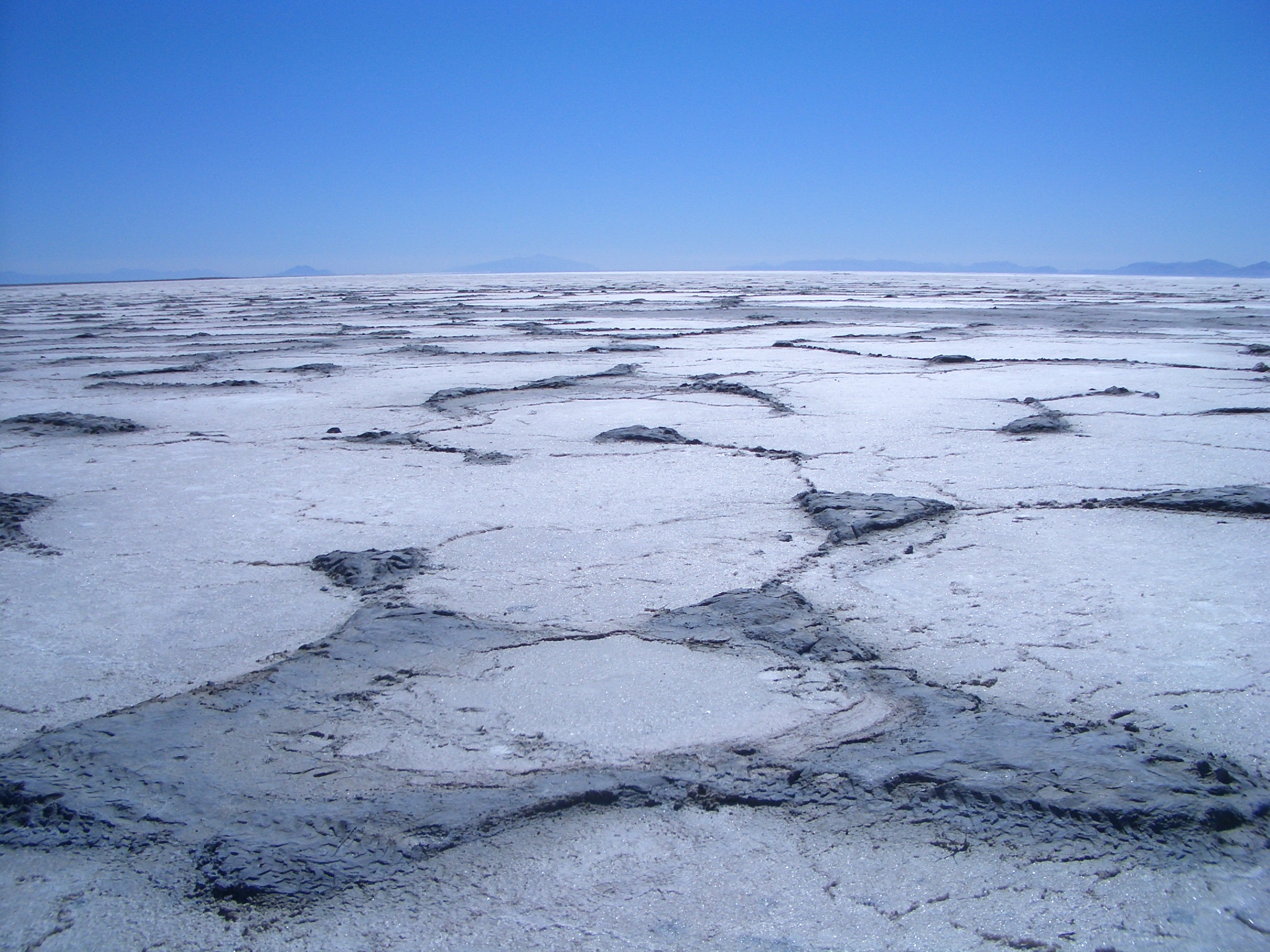
The pre-salt “microbialite” reservoirs of offshore Brazil and West Africa (such as the Barra Velha Fm of Santos Basin) are highly problematic reservoirs. While there are no modern or ancient analogs for the Barra Velha and its equivalents, the modern rift basin lakes in western U.S. can be used to demonstrate a range of issues relevant to understanding the reservoirs. This course combines field visits with classroom lectures and core examination, and throughout the course comparisons will be made with the pre-salt reservoirs from the South Atlantic to provide a forum for discussion to aid understanding of these reservoirs.

The manual will be provided in digital format and you will be required to bring a laptop or tablet computer to the course.

Duration and Logistics

6 days; a mix of field stops (70%), classroom lectures (15%) and core examination (15%).

The course begins in Salt Lake City, Utah, and ends in Reno, Nevada.

Exertion Level

This class requires an EASY exertion level. The longest walk on the class is approximately 3.2km (2 miles) over fairly flat topography. Outcrops are at elevations of 1200–2000m (4000–6500 ft). Weather conditions in northern Utah and eastern California can vary from cool and dry, to hot and dry, with a late spring and early fall temperature range of 5–27°C (40–80°F). Transport will be in a bus or SUVs on black-top roads.

Level and Audience

Advanced. The course will be of particular interest to individuals evaluating the pre-salt of Brazil and West Africa but will also appeal to geoscientists who wish to expand their knowledge of non-marine reservoirs. A basic familiarity with carbonates depositional systems is assumed.

Objectives

You will learn to:

  1. Examine a range of classical carbonate facies in core, including core from an active microbialite reservoir in the US.
  2. Examine the scale relationship of carbonate deposition in the field across a series of half grabens using the Great Salt Lake, Utah, as an example.
  3. Examine an active petroleum system associated with volcanic-related rift activity and lacustrine carbonates.
  4. Examine many of the key elements of the carbonate facies encountered in arid saline lakes (microbialites, oolites, salt pans, travertines and large spit complexes) including the subtle influence of small faults on facies distribution.
  5. Examine seismic-scale carbonate build-ups associated with faults in an alkaline lake (Pyramid Lake, Nevada), including how sub-lacustrine fault-controlled fluid flows generate large build-ups and the effects of subaerial exposure on such build-ups.
  6. Examine the complex facies architecture of vent-fed sub-lacustrine carbonate systems.
  7. Examine the range of facies associated with vent-fed ridge travertines and evaluate whether such systems can be used as analogs for some pre-salt reservoirs, using outcrops near Bridgeport, California.
  8. Examine carbonate deposition in a highly alkaline lake, Mono Lake in California, very closely associated with volcanic cones, emphasizing the role of volcanic activity in rift basins.

Shoreline and Shelf Reservoir Systems, Colorado (G013)

Tutor(s)

Mike Boyles: Retired Shell Oil; Affiliate Faculty, Colorado School of Mines.

Overview

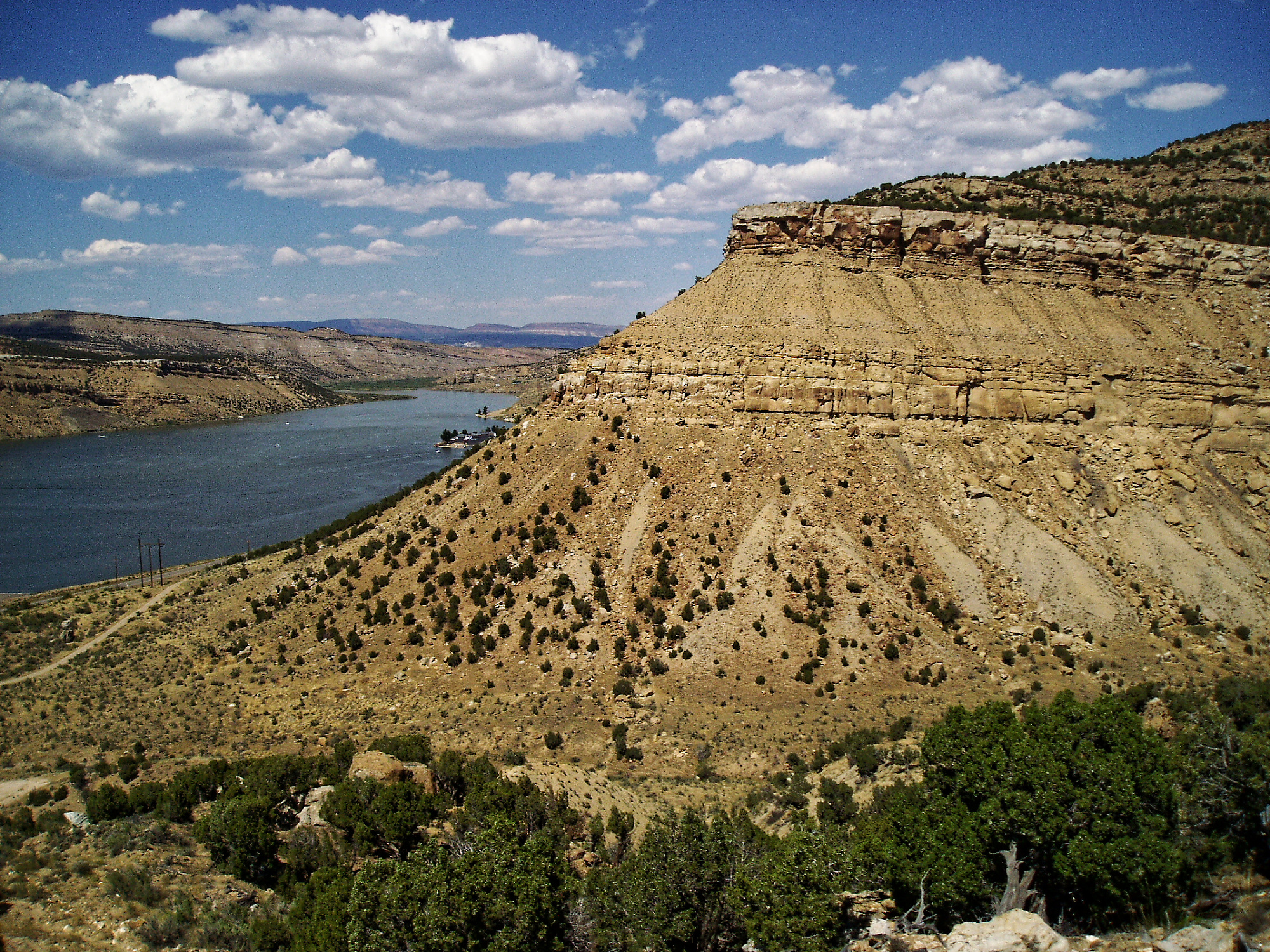
This course contrasts two very different clastic shoreline systems by studying two sets of outcrops that were deposited at approximately the same time, about 100km (62 miles) away from each other. One set was deposited by classic river-feed, wave dominated delta systems and the other set had depositional strike-feed systems. The wave dominated deltas are common reservoirs in many basins. However, the less common strike-feed systems have a very different stratal architecture, which can result in the development of significant stratigraphic traps. Participants will develop competence in understanding clastic shoreline and shelf systems and applying sedimentology and sequence stratigraphic concepts to build depositional models and predict facies distributions.

Duration and Logistics

A 8-day field trip comprising a mix of classroom lectures (10%) and field time (lectures and exercises 90%). The course begins in Craig, Colorado, and ends in Steamboat, Colorado. Participants fly in and out of Hayden, Colorado.

Level and Audience

Advanced. Geologists, geophysicists and reservoir engineers working on fluvial / deltaic exploration and production projects. This course is especially relevant for people working reservoirs that were deposited under a tidal influence. The material is presented with minimal jargon so that reservoir engineers can get the maximum benefit of the material.

Exertion Level

This class requires a MODERATE exertion level. Scrambling over rock outcrops and steep sections will be required, but most hikes would be considered moderate. The longest hike is approximately 3.2km (2 miles). Outcrops are at elevations of 1300–2000m (3900–6000 ft). Weather conditions in NW Colorado can vary from warm and dry to cold and wet, with an early fall temperature range of 6–25°C (42–78°F). Transport will be in SUVs on paved and unpaved roads.

Objectives

You will learn to:

  1. Evaluate facies associated with wave dominated deltas, tidal shelf deposits and the often-under-recognized strike-fed tidally influenced shoreline deposits.
  2. Compare depositional dip and strike facies variations within a wave dominated delta complex at the regional scale.
  3. Distinguish deltaic distributaries from incised valley deposits associated with an unconformity.
  4. Identify facies and subsurface geometries of isolated, tidally dominated shelf reservoirs and understand possible links to older shoreline deposits and processes that controlled genesis of these stratigraphic traps.
  5. Use sequence stratigraphic principles to distinguish sequence boundaries, flooding surfaces, transgressive surfaces of erosion and maximum flooding surfaces.
  6. Begin to use the concepts of shoreline stacking patterns to better predict lateral continuity of shoreline systems.
  7. Make interpretations of reservoir systems from subsurface data based on the techniques practiced in the field.

Clastic Reservoirs: Stratigraphic and Structural Heterogeneities that Impact Reservoir Performance, Colorado and Utah (G012)

Tutor(s)

Mike Boyles: Retired Shell Oil; Affiliate Faculty, Colorado School of Mines.

Overview

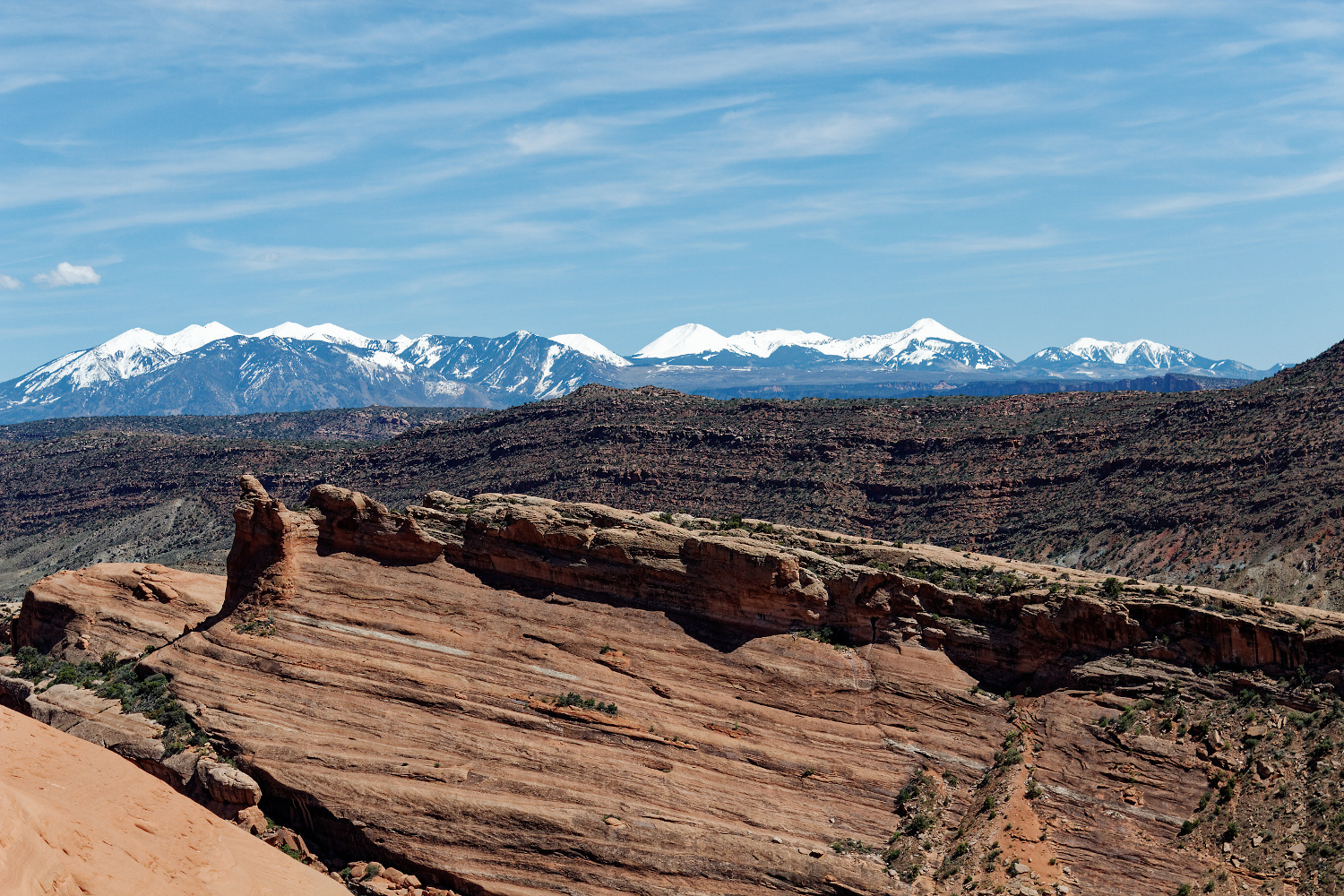
The course investigates world-class outcrops to introduce all subsurface disciplines to a wide spectrum of stratigraphic and structural features commonly found in exploration and production. An active learning technique encourages participants to make initial observations and interpretations before group discussions. Lectures and exercises provide an awareness of reservoir architecture in a variety of stratigraphic and structural settings while outcrops demonstrate field- and reservoir-scale structural heterogeneities. Depositional environments studied include deltaic, eolian, fluvial, turbidites, tidal, lacustrine and coastal plain. Emphasis is placed on understanding flow characteristics (i.e. connectivity, Kv, Kv/Kh). A practical approach to using sequence stratigraphic concepts is also presented.

Duration and Logistics

A 6-day field course comprising a mix of classroom lectures (10%) and field exercises (90%). The course begins and ends in Grand Junction, Colorado, and visits outcrops in Utah and Colorado.

Level and Audience

Fundamental. This course is presented with minimal jargon so that non-geoscientists, such as reservoir engineers and petrophysicists, get the full benefit of the course. However, it would be particularly suitable for geoscientists working on fluvial/deltaic exploration and production projects, to show how common stratigraphic and structural variations can impact reservoir performance.

Exertion Level

This class requires a MODERATE exertion level. Scrambling over rock outcrops and steep sections will be required, but most hikes would be considered moderate. The longest walk is approximately 4.8km (3.2 miles). Outcrops are at elevations of 1200–2500m (4000–8200 ft). Weather conditions in NW Colorado and eastern Utah can vary from warm and dry to cold and wet, with an early fall temperature range of 5–23°C (41–73°F). Transport will be in SUVs on black-top and unpaved roads.

Objectives

You will learn to:

  1. Divide subsurface reservoirs into flow units that capture key reservoir flow characteristics and heterogeneities at a variety of reservoir model scales.
  2. Communicate and discuss flow unit properties between subsurface team disciplines.
  3. Understand detailed facies analysis within deposits of wave dominated deltas, fluvial dominated deltas, fluvial systems, tidal / estuarine, eolian and turbidites.
  4. Recognition of key facies in cores and logs.
  5. Use key sequence stratigraphic concepts in a practical and predictive way.