World-class training for the modern energy industry

GeoLogica Welcomes Tanya Flemon

It’s always good to have some positive news in difficult times so GeoLogica are very pleased to welcome Tanya Flemon aboard as our Business Development Manager.

Tanya is a long-time colleague and friend, and we are all excited that she has decided to join the small and dynamic team here at GeoLogica. Her energy and highly positive attitude will be a fantastic asset for us and will help GeoLogica deliver the best-quality and most cost-effective training to the oil and gas industry. As Tanya is based in Houston, she is GeoLogica’s permanent presence in the USA and will be able to visit our clients and training partners regularly to keep in touch when these difficult times are behind us. It is an interesting time to join a new company but Tanya will help us meet the challenges of recent weeks head-on and will be instrumental in helping us develop and deliver training solutions in this period of isolation.

GeoLogica’s Managing Director, Simon Baker, says: “We are really looking forward to working with Tanya and, together with the rest of the GeoLogica team, we will build a dedicated and successful training business of the future.”

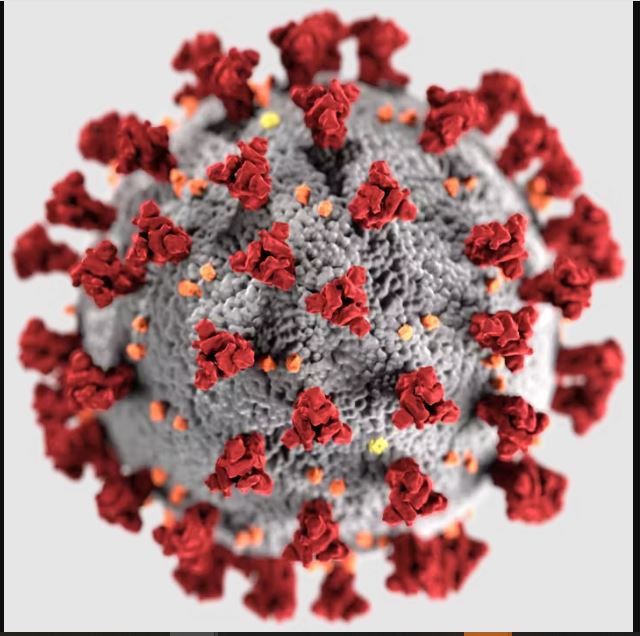
Coronavirus – Implications for Training

The Coronavirus (COVID-19) outbreak is causing considerable uncertainty regarding people’s travel plans and schedules. and GeoLogica is actively monitoring the situation and reviewing up-to-date advice from the World Health Organisation (WHO).

The current and dynamic world-wide Coronavirus (COVID-19) outbreak is causing considerable uncertainty regarding people’s travel plans and schedules. GeoLogica is actively monitoring the situation and reviewing up-to-date advice from the World Health Organisation (WHO) and relevant government advisory websites (some of these are listed below). The reality is that in the United States and most of Western Europe the risk of infection is low outside of local hotspots but this may change rapidly and we are watching the situation daily.

At present we are considering our program of training courses with an emphasis on those classes that are 1) due to run within the next quarter (up to June) and 2) those that require participants to travel – i.e. field courses. Depending on the locations and amount of travel involved, we will be working proactively with our tutors and clients to schedule courses to ensure no unnecessary risks are taken. We anticipate further developments in the next week and will provide updates as required.

Some useful sites:

www.who.int/emergencies/diseases/novel-coronavirus-2019/travel-advice

www.worldaware.com/resources/intelligence-alerts/sars-cov-2-and-covid-19-coronavirus-intelligence-hub

US Sites:

travelmaps.state.gov/TSGMap/

www.cdc.gov/coronavirus/2019-ncov/cases-in-us.html

travel.state.gov/content/travel/en/traveladvisories/ea/novel-coronavirus-hubei-province–china.html

UK sites:

www.gov.uk/foreign-travel-advice/usa/health

www.gov.uk/government/news/novel-coronavirus-and-avian-flu-advice-for-travel-to-china

Reflection on the Ongoing Controversy of the Pre-Salt “Microbialite” Reservoirs of the South Atlantic: Paul Wright

Paul Wright shares his insights on the pre-salt “Microbialite” reservoirs of the South Atlantic.

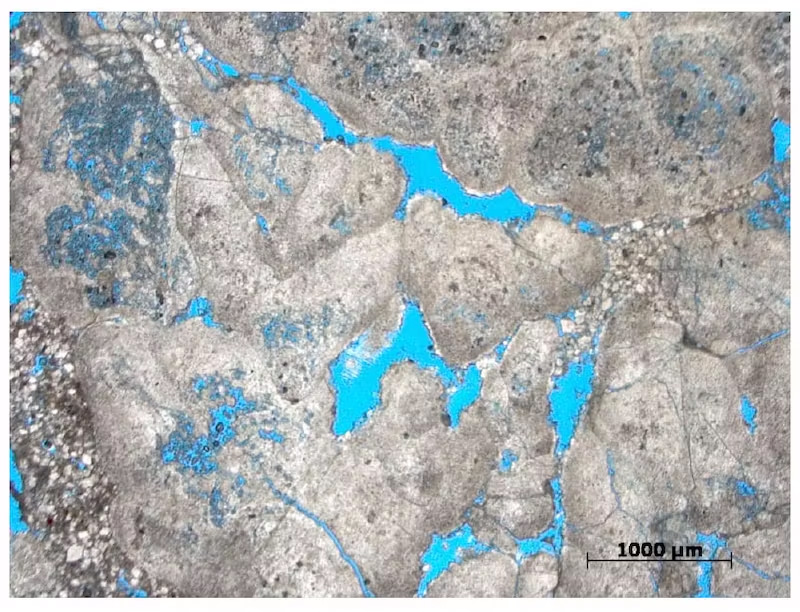
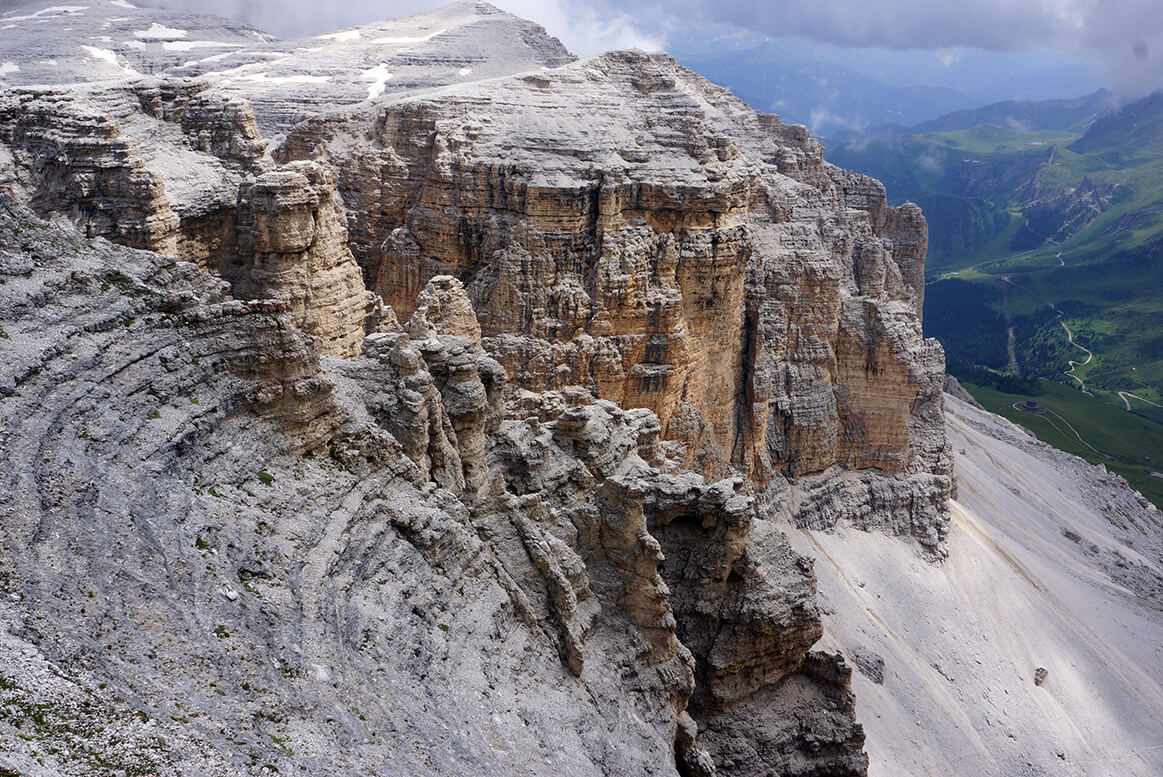
The Cretaceous Aptian Barra Velha Formation of the Santos Basin (offshore Brazil), often referred to as “Microbialite” reservoirs, has hosted over 30 discoveries, with recoverable reserves estimated as > 60 BBOE. This limestone unit, up to 550m thick, with equivalents in other offshore South Atlantic basins, is now considered perhaps the largest chemogenic (chemically formed, not microbial) carbonate deposystem in Earth history, covering at least a third of a million square kilometers. Besides having no modern or ancient analogues, much of the porosity is the result of the dissolution of magnesium clays.

Two opposing views are held as to where these carbonates formed.

One view, based on sedimentological and geochemical evidence, has interpreted the reservoirs as having been deposited in hyper-alkaline shallow evaporitic lakes, affected by some syn-depositional tectonism, but later significantly affected by post-depositional deformation immediately before, during and after salt deposition. This model interprets the local relief on the top of the reservoir of often 1km or more, as structural in origin, with age-equivalent carbonates in down-thrown areas as being of the same facies.

The other model interprets the relief as reflecting the formation of the reservoir carbonates as isolated carbonate build-ups separated by deep lake deposits likely lacking reservoir-prone facies.

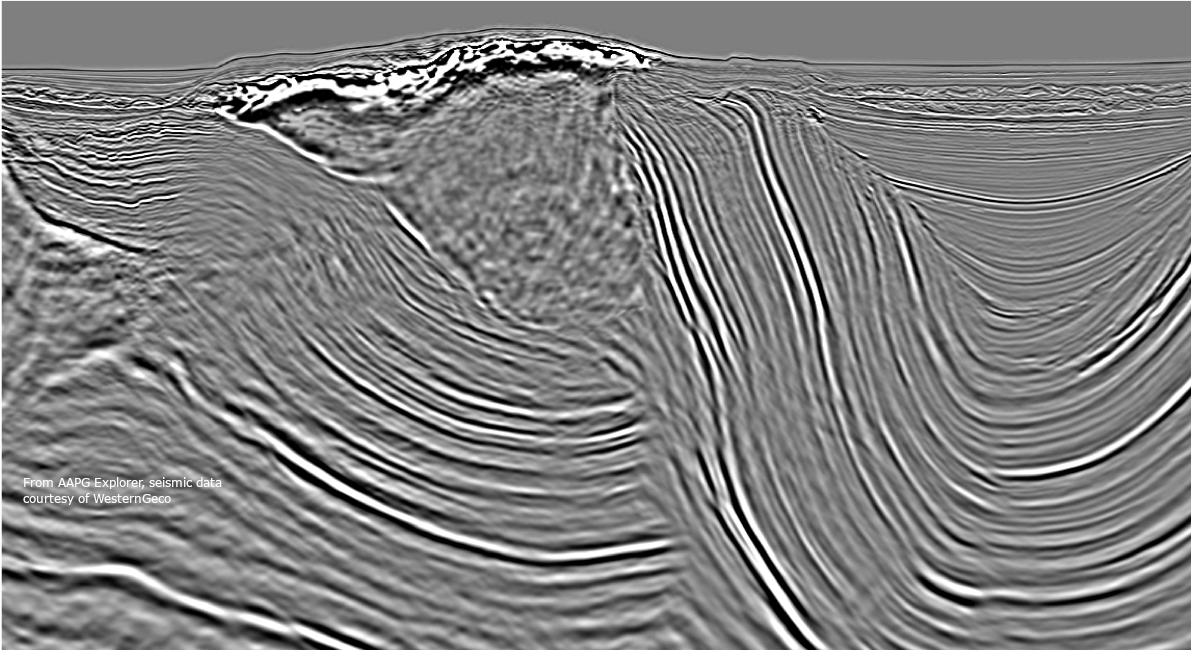
A consequence of this second model is that platforms are regarded as areally differentiated with various companies populating reservoir models with different facies assemblages. In contrast, in the shallow lake model, individual facies are envisaged as being laterally very extensive and layer cake. The crux of the controversy seems to be to what extent seismic geometries should be interpreted as expressions of sedimentological features, versus where a detailed structural analysis, linked closely to detailed sedimentological and geochemical analyses, has been carried out. The implications for exploration and reservoir development are enormous.

Discussion of this topic will feature prominently in the GeoLogica field course – Modern and Ancient Carbonate Lakes of the Western U.S.: Lessons for Interpreting the Cretaceous Pre-Salt Reservoirs in the South Atlantic (G030) 02 – 05 November, 2020. Paul’s other upcoming GeoLogica courses include: De-risking Carbonate Exploration (G008) Houston, 15 – 18 June, 2020, and Fundamentals of Carbonate Depositional and Diagenetic Systems Field Seminar: Lessons from the Permian Basin (G007) 8 – 13 November, 2020 (co-led with Kate Giles).

Paul’s recent work has included various publications and workshops relating to the pre-salt of the South Atlantic as well as the investigation of facies stacking in Cretaceous hydrocarbon-bearing intra-platformal basins.

Recently published articles include a study of reservoir architecture in the super giant Karachaganak field in Kazakhstan (with Simon Beavington-Penney, Stuart Kennedy and Mark Covil): 2019 Integration of static and dynamic data and high-resolution sequence stratigraphy to define reservoir architecture and flow units within a ‘super giant’ gas condensate and oil field, Kazakhstan. Marine and Petroleum Geology 101 (2019) 486–501. doi.org/10.1016/j.marpetgeo.2018.11.005

Paul was also invited to write an article for GeoExpro (September 2019, 28–31) on the controversy over the seismic models used to interpret the pre-salt carbonates offshore Brazil.

In conjunction with Andrew Barnett of Shell, Paul has provided a practical methodology for characterizing the unusual textures found in the pre-salt Barra Velha “Microbialite” reservoirs of offshore Brazil (Facies, 2020 released December 2019). doi.org/10.1007/s10347-019-0591-2
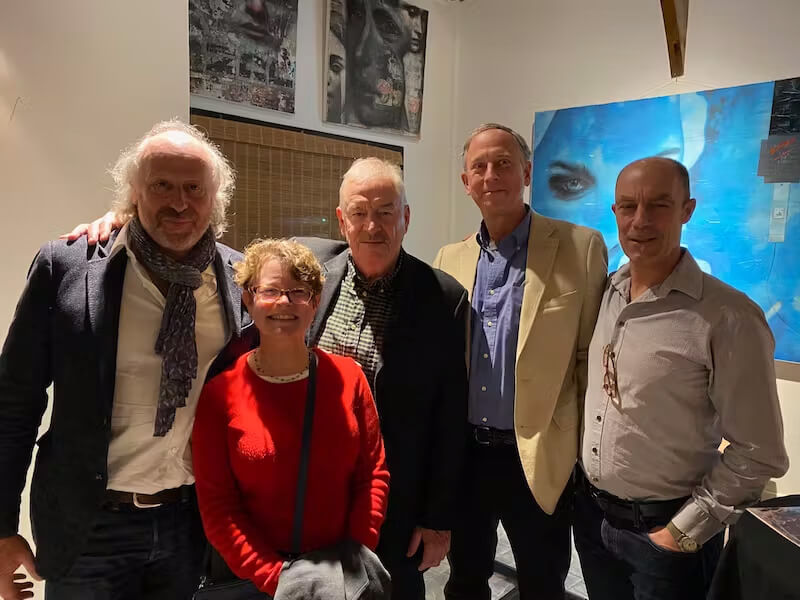
GeoLogica Launch Event, January 21, 2020

Our launch event was held at 2314 Dunlavy St, Houston, and we were excited to be able to celebrate the unveiling of our 2020 program with such a fantastic group of company representatives, GeoLogica tutors and GeoLogica staff and advisors.

The aim of the event was not just to celebrate with our industry friends, but to raise awareness of our program in an informal atmosphere.

Our 2020 program has been designed to cover a broad range of core geoscience competencies and we aim to deliver the necessary knowledge for both less-experienced geoscientists and experienced staff who require specialized skills. As you’d expect, all course content and dates have been discussed and agreed with the tutors, who are very pleased to be working with us!

GeoLogica strongly believes in the benefits of field-based training so a significant proportion of our portfolio is composed of field classes. The benefits are both tangible (understanding of scale, the limits of resolution of subsurface data, the heterogeneity of real rocks and asset team development) and less tangible (industry networking and ideas exchange, staff satisfaction and well-being) but the outcomes in terms of staff performance are unquestionable.

There was much positive discussion around the program at the launch event and everyone left with a better understanding of what GeoLogica offers, as well as a warm glow from all the delicious canapés that had been eaten!

We look forward to the next GeoLogica event – come and find us at AAPG ACE in June!

2020 Course Launch

GeoLogica’s 2020 courses are now scheduled and available for online bookings.

GeoLogica are pleased to announce that their full program of courses for 2020 is now available and the on-line booking system is now live!

It is a stimulating suite of courses and we are glad to be sharing this robust and broad program. It has been designed to address the needs of a variety of oil and gas operators and we are looking forward to working with an elite group of world-class instructors who will be delivering the courses for us. All have experience of working within or for the oil and gas industry and therefore have a deep understanding of relevant issues within their chosen fields. A significant proportion of our courses are also conducted in the field as we think that the experience of observing real rocks is fundamental in understanding the complexities and heterogeneities present in the subsurface.

The courses are primarily focussed on key areas of geoscience critical to understanding subsurface oil and gas habitats. In total, we have 33 scheduled courses and have divided them into seven discipline areas to help you find the courses you require, these are:

  • Basin Analysis (broadly basin- and exploration-scale topics, including prospect analysis, sequence stratigraphy and petroleum systems analysis)
  • Depositional Systems (covering the majority of both clastic and carbonate depositional environments)
  • Geophysics (from the fundamentals, through interpretation methods to advanced AVO courses)
  • Evaluation Methods (log analysis, reservoir engineering and allied courses)
  • Reservoir Characterization (principally concerned with reservoir-scale topics, including depositional, structural and geophysical aspects)
  • Structural Geology (a suite of courses that cover the principal tectonic regimes and deformation styles, from fundamental to more specialized topics)
  • Resource Plays (structural, engineering and petroleum systems aspects, along with examination of some key formations and play systems)

As well as providing a good choice of classroom and field courses, we have endeavoured to keep our costs as low as practicable, while retaining the highest levels of tuition and health and safety, so we are confident that GeoLogica can address your geoscience training needs.

GeoLogica aim to provide a new, engaging and considered approach to geoscience training and look forward to helping train, develop and motivate geoscientists in a challenging and exciting future for the energy industry.

Why is Training so Important?

How training can help your company by keeping its staff happy.

Staff development and training is becoming one of the key drivers in the modern oil and gas workforce.

Many of the most experienced people have exited the industry recently or are nearing retirement leaving younger, energetic but less experienced staff to carry the baton in the search for and production of hydrocarbons.

These staff require a blend of on-the-job experience, mentoring and training in order to efficiently perform in the modern oil and gas era. In addition, it is becoming increasingly clear that today’s geoscientists and subsurface staff are less driven simply by higher wages.

Many of these people see several decades of fruitful employment in the industry and will seek out companies that provide the best opportunities to develop their technical skills.

Reduced numbers of graduates entering the industry means that it is vital that companies attract, retain and develop their younger workforce.

High quality, focussed and engaging training is part of the solution to retain talented staff.


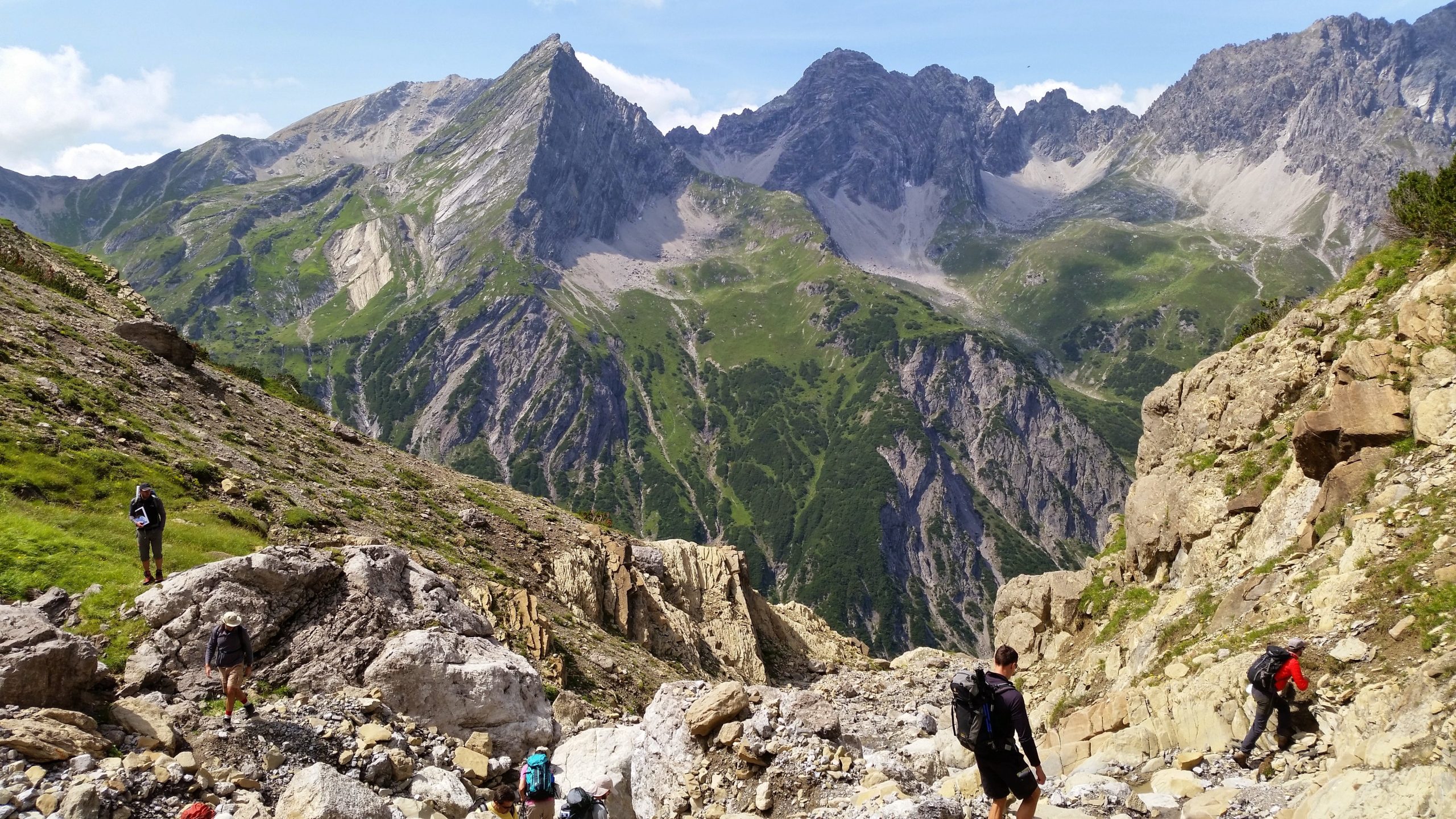
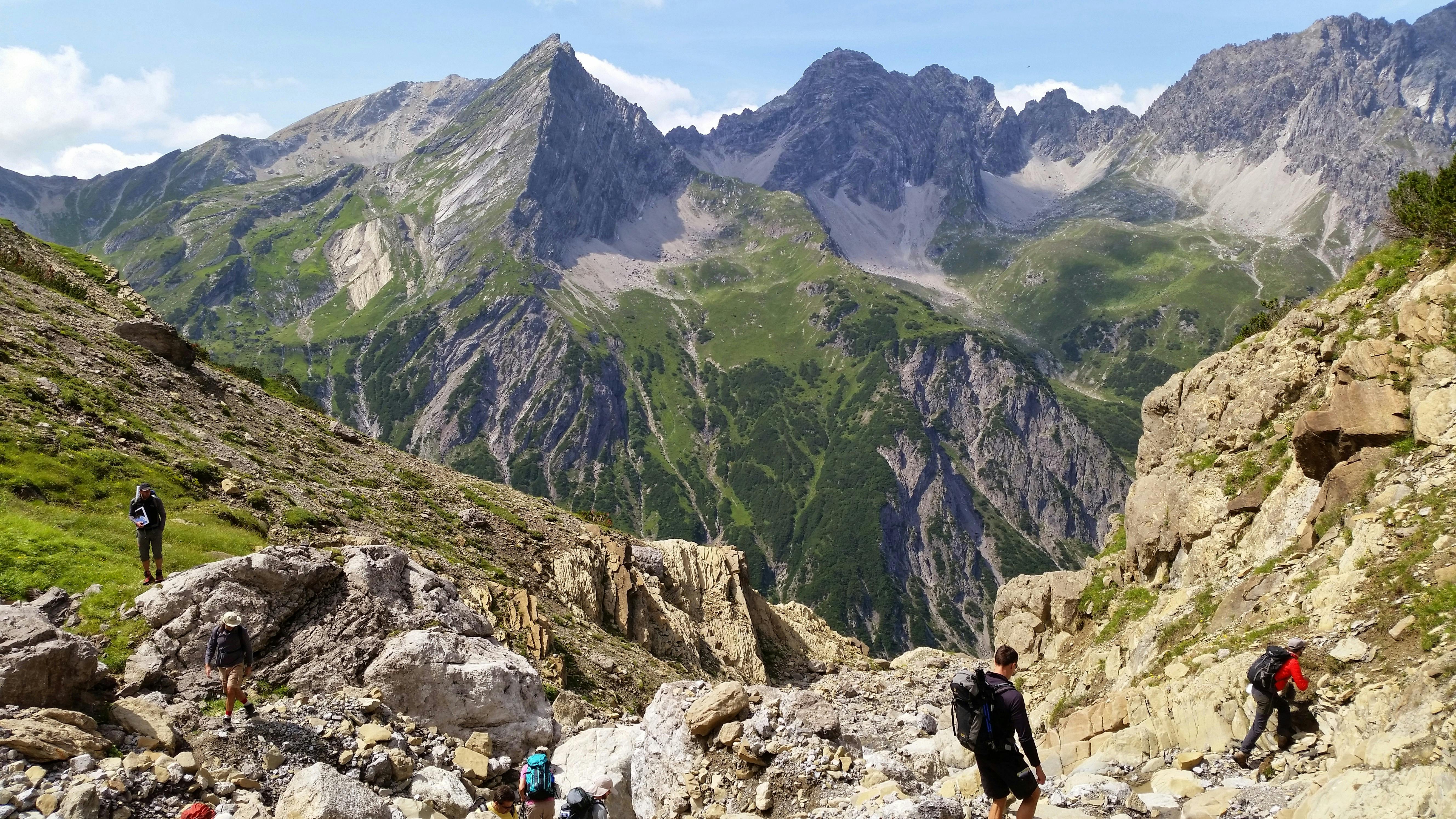
Austrian Alps

GeoLogica Launches

With our key staff in place, the course list nearing completion and our website up and running, we are very excited to launch our new company – GeoLogica.

The countdown has ended! After a good deal of work and plenty of sleepless nights, we are excited to be sharing our new company with the world. Our course list for 2020 is shaping up and our staff are ready to go. GeoLogica’s passion for geology, learning and best-in-class service, whether that’s health and safety and logistical support or technical know-how, has brought us to this point and now we hope to lead the way in training. We won’t be cutting corners or compromising our vision – we’ll just be taking our participants on world-class courses and enjoying every step of the way.