
World-class training for the modern energy industry

Reservoir Engineering for Geoscientists (G024)

Tutor(s)

Mark Cook: Associate Reservoir Engineer at TRACS International Consultancy and Independent Engineer at Delta-T Energy Consultancy.

Overview

The course examines reservoir engineering processes, techniques and terminology, particularly those that interface with geoscience activities. The material is structured around the three-part process of building a reservoir model: (1) building a static model to identify the main flow units, (2) developing a dynamic model to predict fluid flow in the reservoir, and (3) implementing a life-of-field reservoir management plan to maximize economic recovery. Numerous examples illustrate the use of subsurface data and the techniques employed during the construction of a reservoir model. The focus is on the principles rather than the detailed work of the reservoir engineer; the use of complex mathematics is avoided.

Duration and Logistics

Classroom version: 5 days; a mix of classroom lectures (60%), case studies (20%) and exercises (20%). The manual will be provided in digital format and participants will be required to bring a laptop or tablet computer to follow the lectures and exercises.

Virtual version: Five 4-hour interactive online sessions presented over 5 days, including a mix of lectures (60%), case studies (20%) and exercises (20%). A digital manual and hard-copy exercise materials will be distributed to participants before the course.

Level and Audience

Fundamental. The course is aimed at geoscientists, petrophysicists and others who interface with reservoir engineers on a regular basis, as well as anyone who wishes to obtain an understanding of reservoir engineering techniques.

Objectives

You will learn to:

  1. Effectively interact with reservoir engineering colleagues.
  2. Interpret original fluid contacts, understand saturation vs height relationships and estimate original hydrocarbon in-place volumes for oil and gas reservoirs.
  3. Differentiate the physical and chemical properties of hydrocarbons and their description through phase diagrams.
  4. Recognize the strengths and weaknesses of well tests and their analysis.
  5. Analyze production performance and describe production enhancement techniques.
  6. Contrast static and dynamic reservoir models and assess the merits of reservoir numerical simulation.
  7. Assess the value of reservoir management for forecasting production profiles and maximizing economic hydrocarbon recovery from a producing field over the complete life cycle.
  8. Examine the controls on fluid flow in the reservoir and reservoir drive mechanisms.

Applied Sequence Stratigraphic Analysis of Well Logs (G014)

Tutor(s)

Jeff May: Geological Consultant; Affiliate Faculty, Colorado School of Mines.

Overview

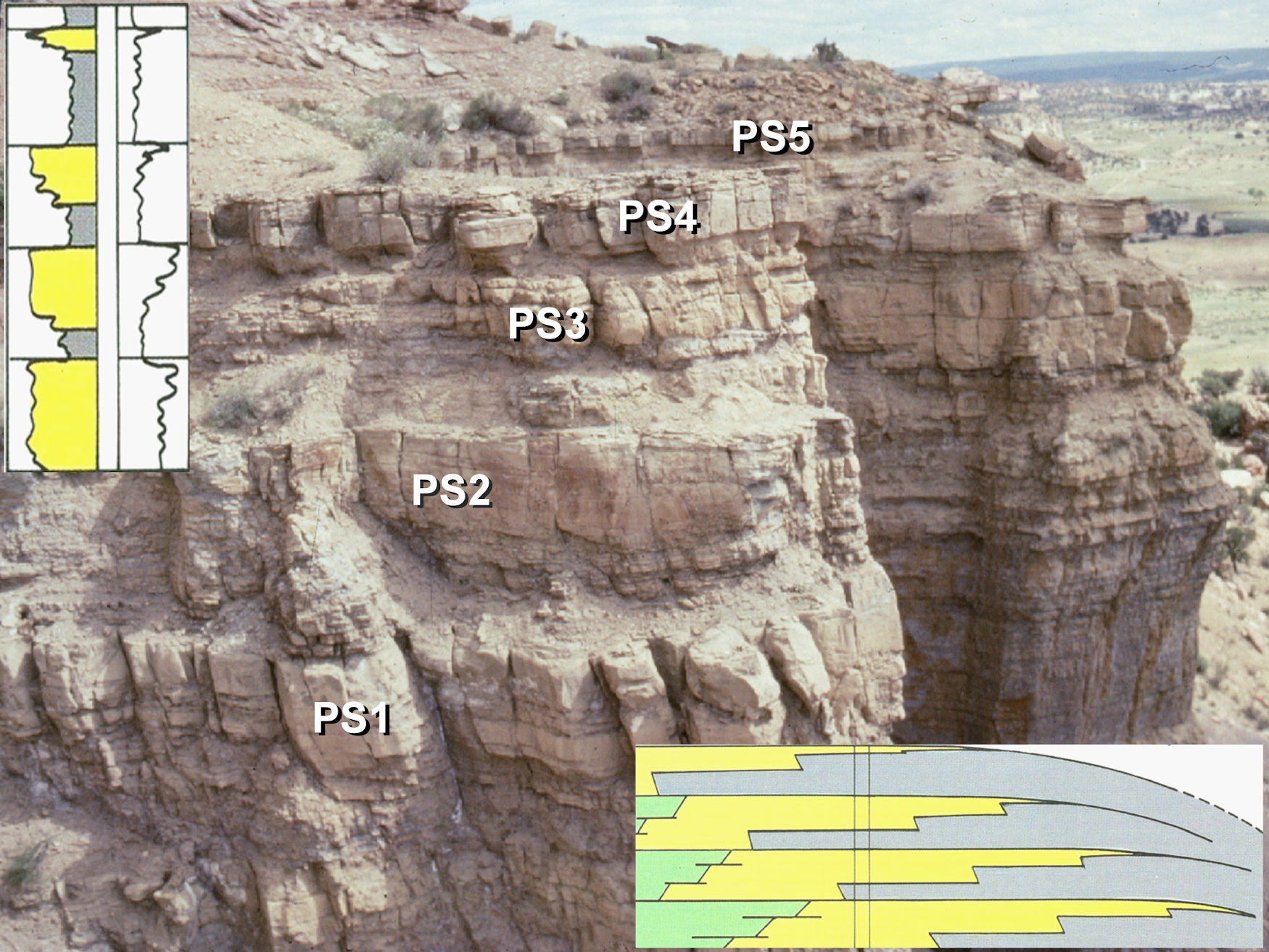
This course offers a practical approach to the sequence stratigraphic analysis of well logs. Lectures and exercises introduce the concepts and terminology of sequence stratigraphy and then apply them to the interpretation and correlation of well logs. Exercises are used to identify significant chronostratigraphic surfaces on well logs and then use the surfaces to construct log correlation sections for a variety of depositional settings. The approach allows for subdividing stratigraphic intervals into meaningful genetic packages, in order to interpret depositional histories and build geologically meaningful maps. Participants will develop the skills necessary to identify and predict new prospects and better subdivide reservoirs.

Duration and Logistics

A 5-day classroom course comprising a mix of lectures (30%), exercises (40%) and core examination (30%). The course is delivered at the Colorado School of Mines in Golden, Colorado, allowing participants access to the school’s inventory of cores. The manual will be provided in digital format and you will be required to bring a laptop or tablet computer to the course.

Level and Audience

Fundamental. This course is aimed at geoscientists to teach them how to interpret well log data, make well-to-well correlations and generate maps in a sequence stratigraphic framework. The content is also suitable for professionals who work with geoscientists, such as petrophysicists and reservoir engineers.

Objectives

You will learn to:

  1. Apply the terminology of sequence stratigraphy.
  2. Identify sequences, systems tracts, sequence boundaries, marine regressive and transgressive surfaces of erosion, and flooding surfaces.
  3. Apply sequence stratigraphic principles in carbonate, continental, shallow marine, deep marine and shale environments.
  4. Generate well-log correlations using sequence stratigraphy concepts and contrast lithostratigraphic and chronostratigraphic correlations.
  5. Apply reservoir-seal-source rock concepts to sequence stratigraphic interpretations.
  6. Create maps of genetically related sequence stratigraphic units.
  7. Predict new stratigraphic prospects or previously untapped reservoir compartments.
  8. Assess the influence of chronostratigraphic surfaces on reservoir quality and flow units.

Clastic Reservoirs: Stratigraphic and Structural Heterogeneities that Impact Reservoir Performance, Colorado and Utah (G012)

Tutor(s)

Mike Boyles: Retired Shell Oil; Affiliate Faculty, Colorado School of Mines.

Overview

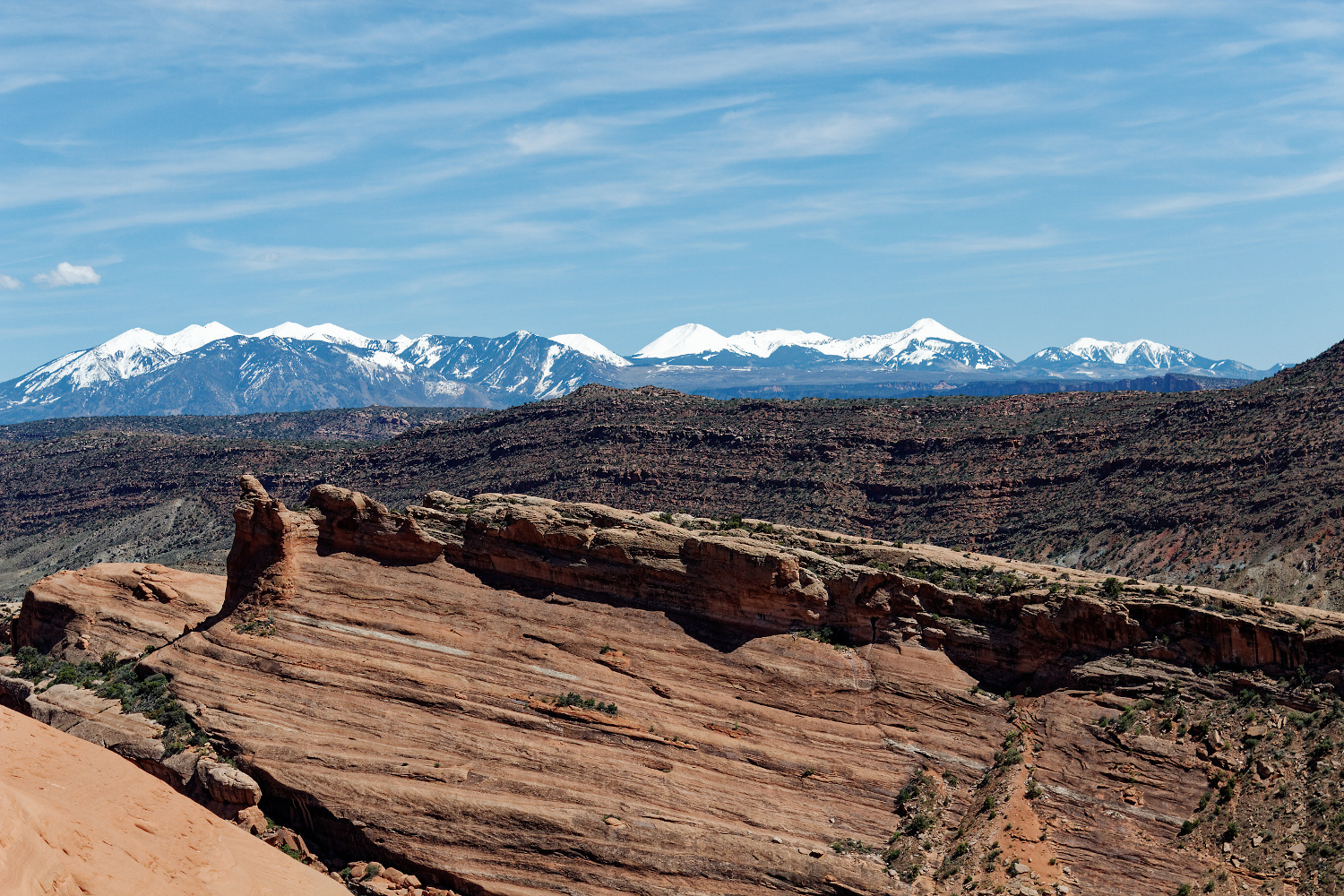
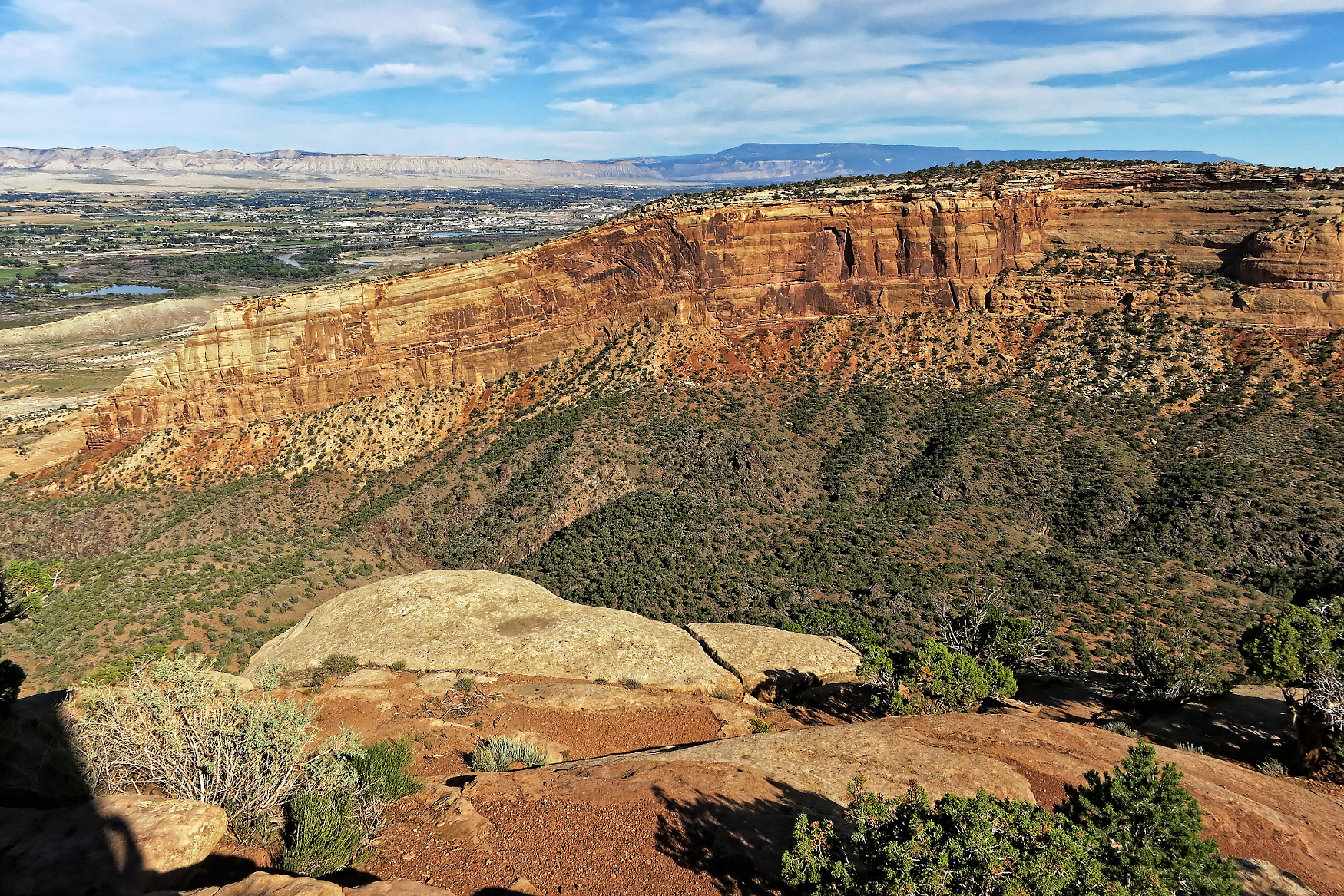
The course investigates world-class outcrops to introduce all subsurface disciplines to a wide spectrum of stratigraphic and structural features commonly found in exploration and production. An active learning technique encourages participants to make initial observations and interpretations before group discussions. Lectures and exercises provide an awareness of reservoir architecture in a variety of stratigraphic and structural settings while outcrops demonstrate field- and reservoir-scale structural heterogeneities. Depositional environments studied include deltaic, eolian, fluvial, turbidites, tidal, lacustrine and coastal plain. Emphasis is placed on understanding flow characteristics (i.e. connectivity, Kv, Kv/Kh). A practical approach to using sequence stratigraphic concepts is also presented.

Duration and Logistics

A 6-day field course comprising a mix of classroom lectures (10%) and field exercises (90%). The course begins and ends in Grand Junction, Colorado, and visits outcrops in Utah and Colorado.

Level and Audience

Fundamental. This course is presented with minimal jargon so that non-geoscientists, such as reservoir engineers and petrophysicists, get the full benefit of the course. However, it would be particularly suitable for geoscientists working on fluvial/deltaic exploration and production projects, to show how common stratigraphic and structural variations can impact reservoir performance.

Exertion Level

This class requires a MODERATE exertion level. Scrambling over rock outcrops and steep sections will be required, but most hikes would be considered moderate. The longest walk is approximately 4.8km (3.2 miles). Outcrops are at elevations of 1200–2500m (4000–8200 ft). Weather conditions in NW Colorado and eastern Utah can vary from warm and dry to cold and wet, with an early fall temperature range of 5–23°C (41–73°F). Transport will be in SUVs on black-top and unpaved roads.

Objectives

You will learn to:

  1. Divide subsurface reservoirs into flow units that capture key reservoir flow characteristics and heterogeneities at a variety of reservoir model scales.
  2. Communicate and discuss flow unit properties between subsurface team disciplines.
  3. Understand detailed facies analysis within deposits of wave dominated deltas, fluvial dominated deltas, fluvial systems, tidal / estuarine, eolian and turbidites.
  4. Recognition of key facies in cores and logs.
  5. Use key sequence stratigraphic concepts in a practical and predictive way.

Core Facies Analysis of Conventional and Resource Plays: Lessons from the Mowry and Niobrara Petroleum Systems, Powder River Basin (G011)

Tutor(s)

Gus Gustason: Senior Geologist and Geoscience Advisor, Enerplus Resources.

Richard Bottjer: President, Coal Creek Resources; Research Associate, Denver Museum of Nature and Science.

Overview

This core-based facies analysis course will use the petroleum system of the prolific Powder River Basin to develop realistic depositional models and sequence stratigraphic frameworks that can be used to better predict the extent and continuity of unconventional resources. Demonstrations will introduce participants to core handling, description and data integration techniques. Lectures and exercises will re-familiarize participants with lithofacies and facies associations and will describe applications of core-facies analysis to reservoir characterization of siliceous and calcareous mudstones, muddy sandstones and sandstones. Cores will be from the Powder River Basin, but learnings may be applied to resource plays in other basins.

Duration and Logistics

A 5-day classroom course comprising a mix of classroom lectures (25%) and core description exercises (75%) at the USGS Core Research Center, Lakewood, CO. The manual will be provided in digital format and you will be required to bring a laptop or tablet computer to the course.

Level and Audience

Fundamental. This course is intended for entry-level through mid-career geoscientists, reservoir engineers and petrophysicists who want to extract maximum value from cores, in order to improve exploration play analysis and reservoir characterization of both conventional and unconventional resources. Participants should have a basic knowledge of clastic and carbonate sedimentology and stratigraphy.

Objectives

You will learn to:

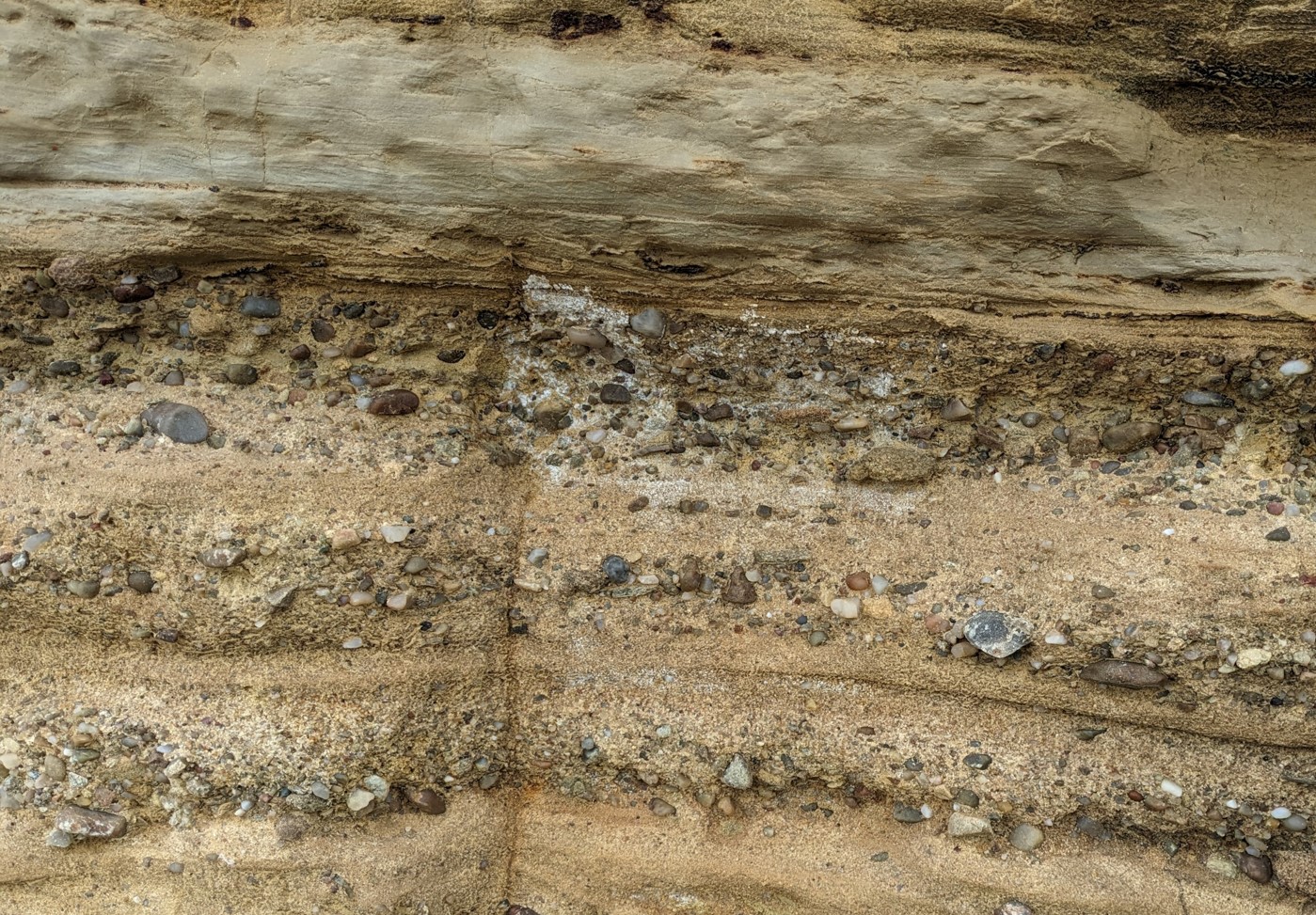
  1. Identify the important physical and biological parameters of core, including sedimentary structures, biogenic structures, significant surfaces and diagenetic textures. We will examine siliceous and calcareous mudstones, muddy sandstones and sandstones.
  2. Calibrate core descriptions with wireline log data.
  3. Evaluate source rock potential of mudstones using elemental chemistry data (XRF), TOC, RockEval (Vre) and vitrinite reflectance (Vro) data.
  4. Integrate routine core analysis and/or unconventional shale and tight rock analysis with core descriptions to better understand the controls on porosity and permeability.
  5. Identify basic structural features in cores, such as faults and fractures, and relate them to mechanical stratigraphy, in situ stresses and borehole stability issues.
  6. Develop a sequence stratigraphic framework from core descriptions and wireline log data.
  7. Compare reservoir characteristics with production performance to identify target zones for horizontal well placement.
  8. Discretize core descriptions for core-to-log facies analysis and reservoir modelling input.