World-class training for the modern energy industry

An Introduction to GeoEnergy Transition Projects: Field Seminar in Cornwall, UK (G518)

Tutor(s)

Alistair Donohew: Director, Kovia Consulting Ltd.

Richard Swarbrick: Manager, Swarbrick GeoPressure.

Overview

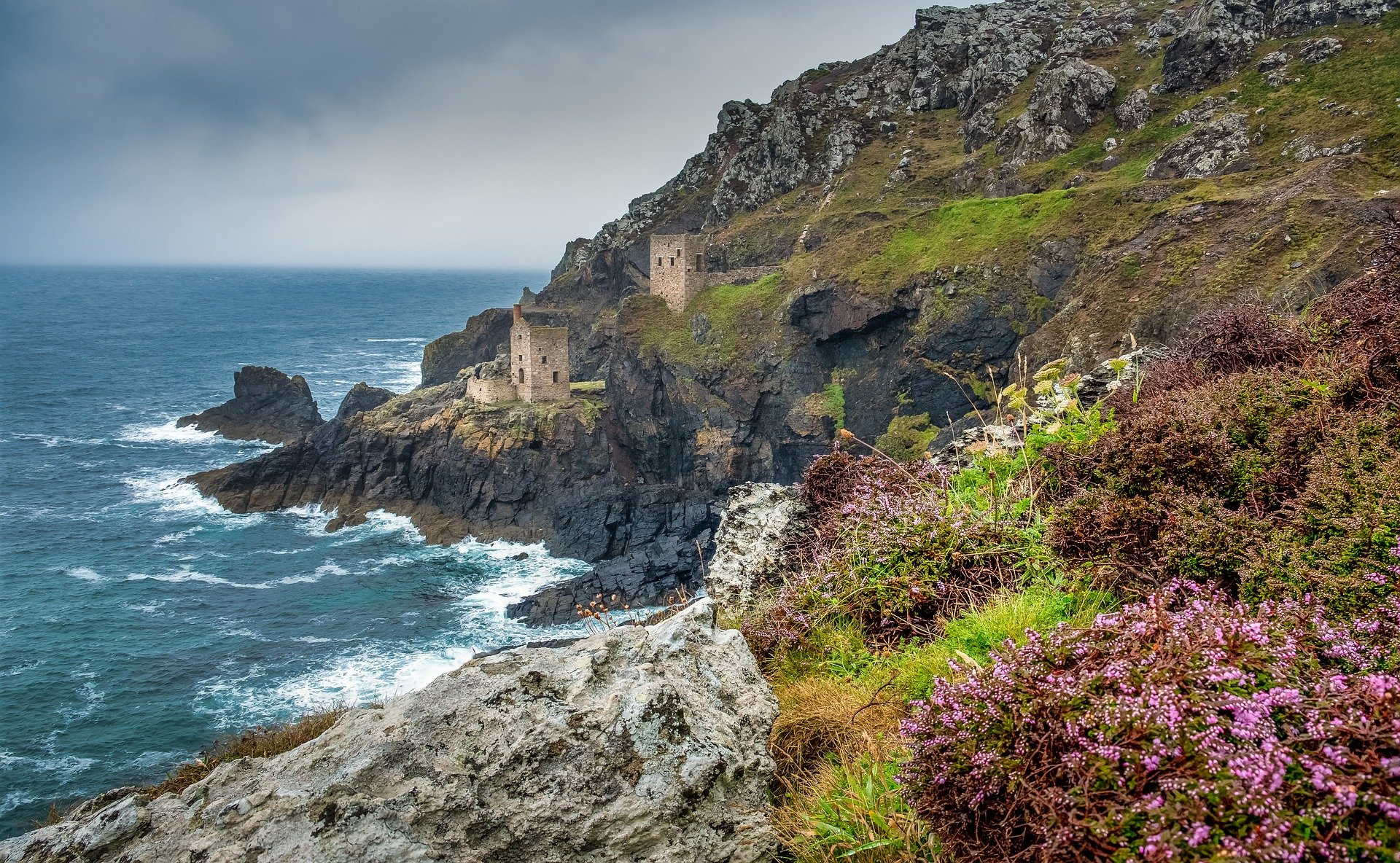
Cornwall is exceptionally rich in geological resource and is emerging as an important location for developing new technologies in the UK transition to a Net Zero economy. This course provides a snapshot of several operational and demonstration GeoEnergy Transition projects, as well as visits to associated traditional Cornish outcrops and rejuvenated mining operations. Examples of specific projects to be investigated include a deep geothermal energy site and a critical mineral (lithium) extraction site. Participants will also investigate sites previously considered for deep storage of nuclear waste and locations associated with low enthalpy energy from mine waters. Participants will gain a practical and technical understanding of several geoenergy projects and should be able to apply this learning to other geological locations worldwide.

Duration and Logistics

A 6-day field course with a combination of field activities and exercises, plus classroom sessions.

Level and Audience

Fundamental. This course is intended for technical professionals working in related sectors. Participants will be shown the context and challenges for developing low carbon technologies for energy, as well as the parallel examination of surface renewable energy technologies.

Exertion Level

This class requires an EASY exertion level. Field locations are mainly accessed by a short walk of less than 1 mile (1.6km) along coastal paths or on sandy / cobbled beaches. Other field stops include working industrial sites (e.g. quarries).

Objectives

You will learn to:

  1. Describe and explain the geoenergy resource potential of Cornwall.
  2. Characterize ideal locations and explain technical factors that affect different resource potentials.
  3. Describe how wider factors can affect feasibility of certain geoenergy resources, including the environmental, social and economic (political and commercial) factors.
  4. Evaluate strategic choices for local and regional policy makers, as well as landowners and investors.
Natural Fractures (Faults and Joints): Quantification and Analysis, Somerset, UK (G033)

Tutor(s)

Mark Bentley: TRACS International Consultancy and Langdale Geoscience.

Overview

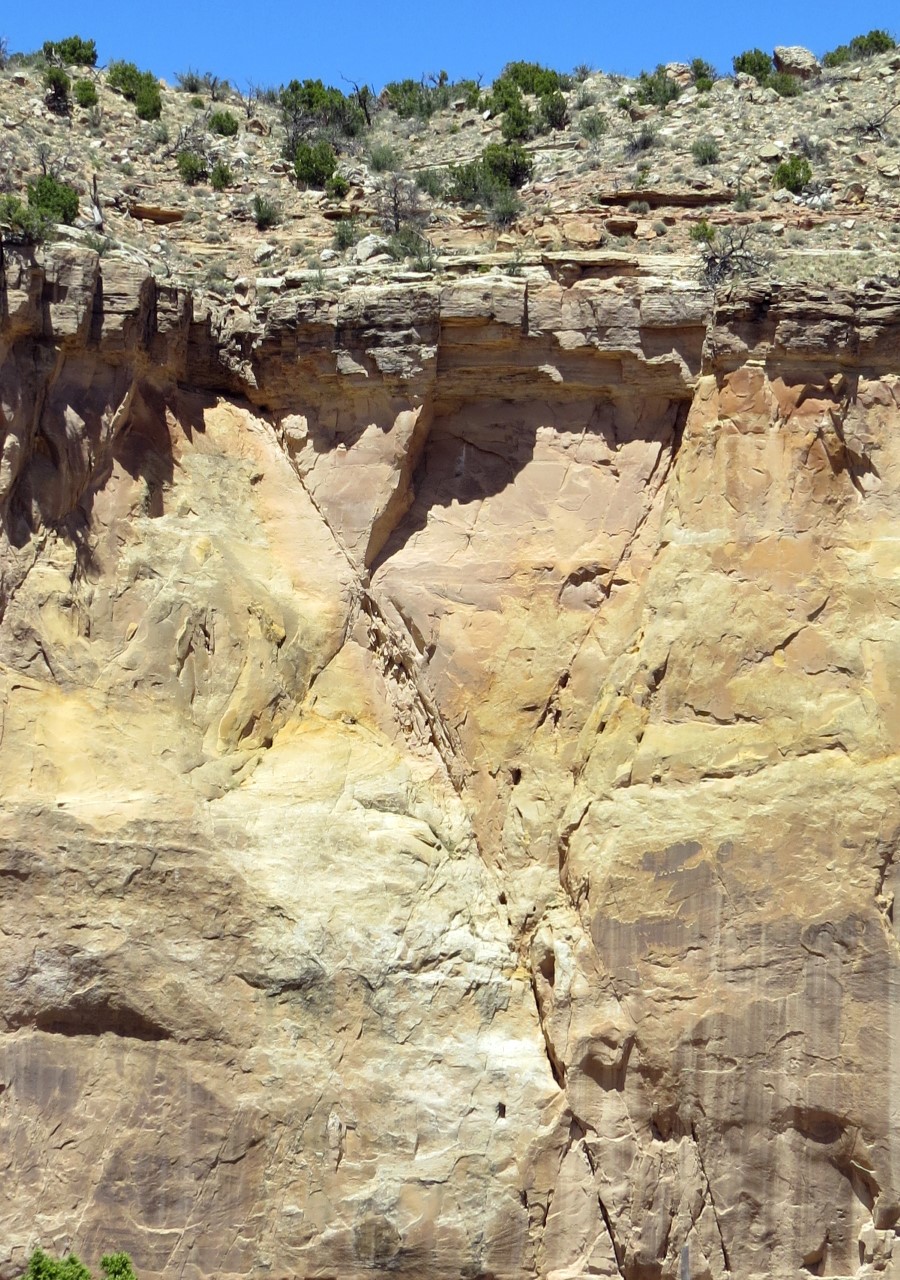
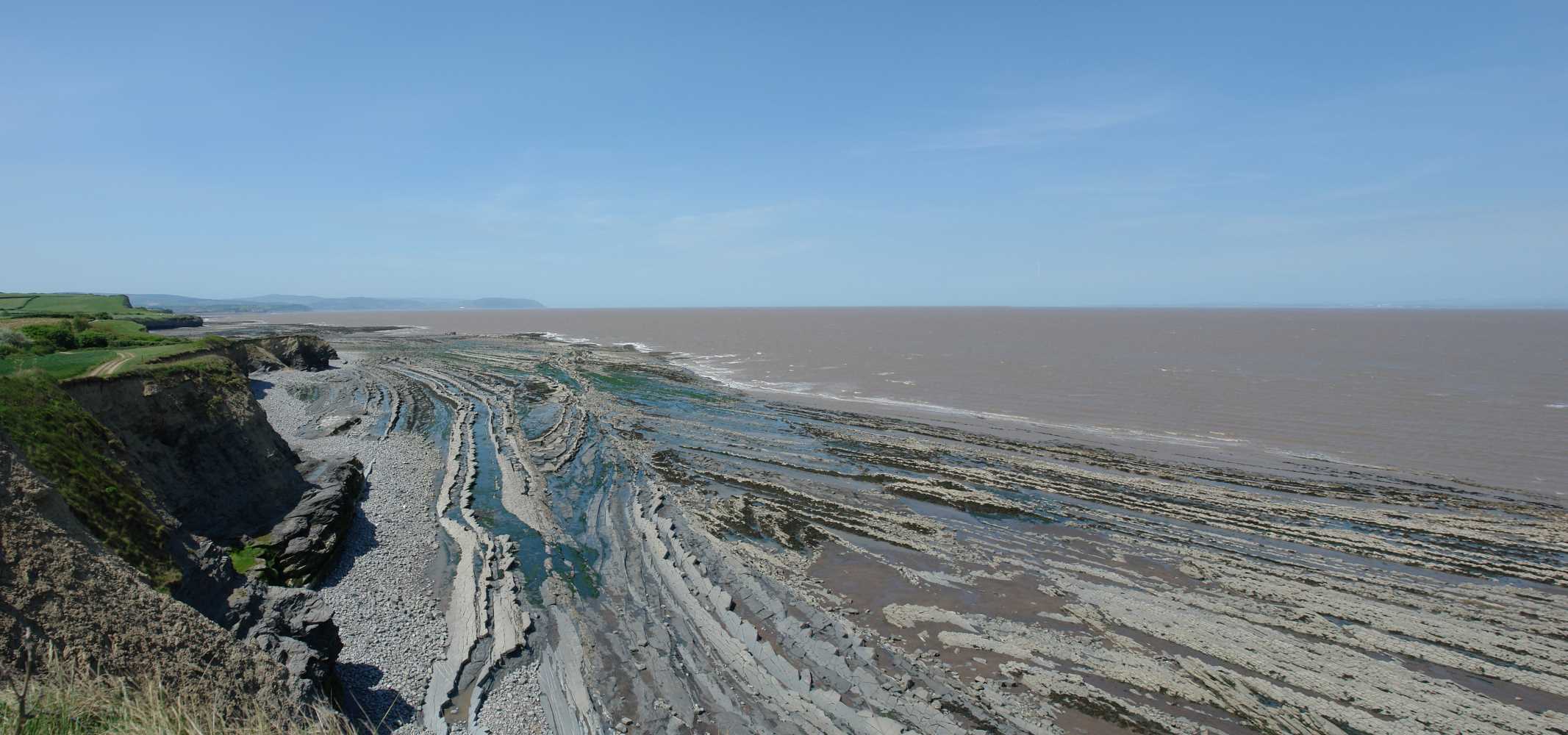
This course will explore superb exposures of fault and joint systems within the Triassic/Lower Jurassic of the East Bristol Channel and Central Somerset Basins, focusing on 3-D seismic scale fault systems, including a variety of fracture geometries, fabrics and networks. Field analysis will be supported by materials on stress, strain and fracture development, as well as an analysis of both seal potential and flow potential. Key challenges regarding predicting fracture volumetrics and the challenges of fault seal will be addressed, including how to bridge the gap between outcrop detail and seismic structures and how to represent fractures in reservoir models, whether they be sealing or conductive to flow.

Duration and Logistics

5 days; a mix of field visits (50%) and classroom lectures with exercises (50%).

Exertion Level

This class requires an EASY exertion level. Somerset is quite comfortable in the spring and early summer, with temperatures of 5–20°C (40–65°F) and occasional rain showers. Field stops require short walks along coastal paths, beaches and wave cut platforms. The longest walk is <4km (2.5 miles). Field stops are all at approximately sea level and some are tide dependent. Transport will be by coach.

Level and Audience

Fundamental. The course is designed for geoscientists, petrophysicists, reservoir engineers and well engineers. Ideally structured for groups working in multi-discipline, asset-based teams with structurally complex reservoirs wishing to understand fracture properties and their impact on fluid flow.

Objectives

You will learn to:

  1. Characterize fracture systems and geometries in the subsurface.
  2. Quantify fault properties, including sealing capacity and threshold pressure.
  3. Quantify open natural fracture properties.
  4. Address modeling challenges for fracture type and fracture property distribution.
  5. Represent fractures (both faults and joints) in reservoir simulations.
  6. Evaluate risk and uncertainty associated with fracture modeling.
  7. Evaluate the impact of fractures on well planning and seal integrity.

Sand-rich Turbidite Systems: From Slope to Basin Plain, Pyrenees, Spain (G016)

Tutor(s)

Henry Pettingill: Senior Associate, Rose & Associates LLP; President, Geo Ventures International Inc.

Overview

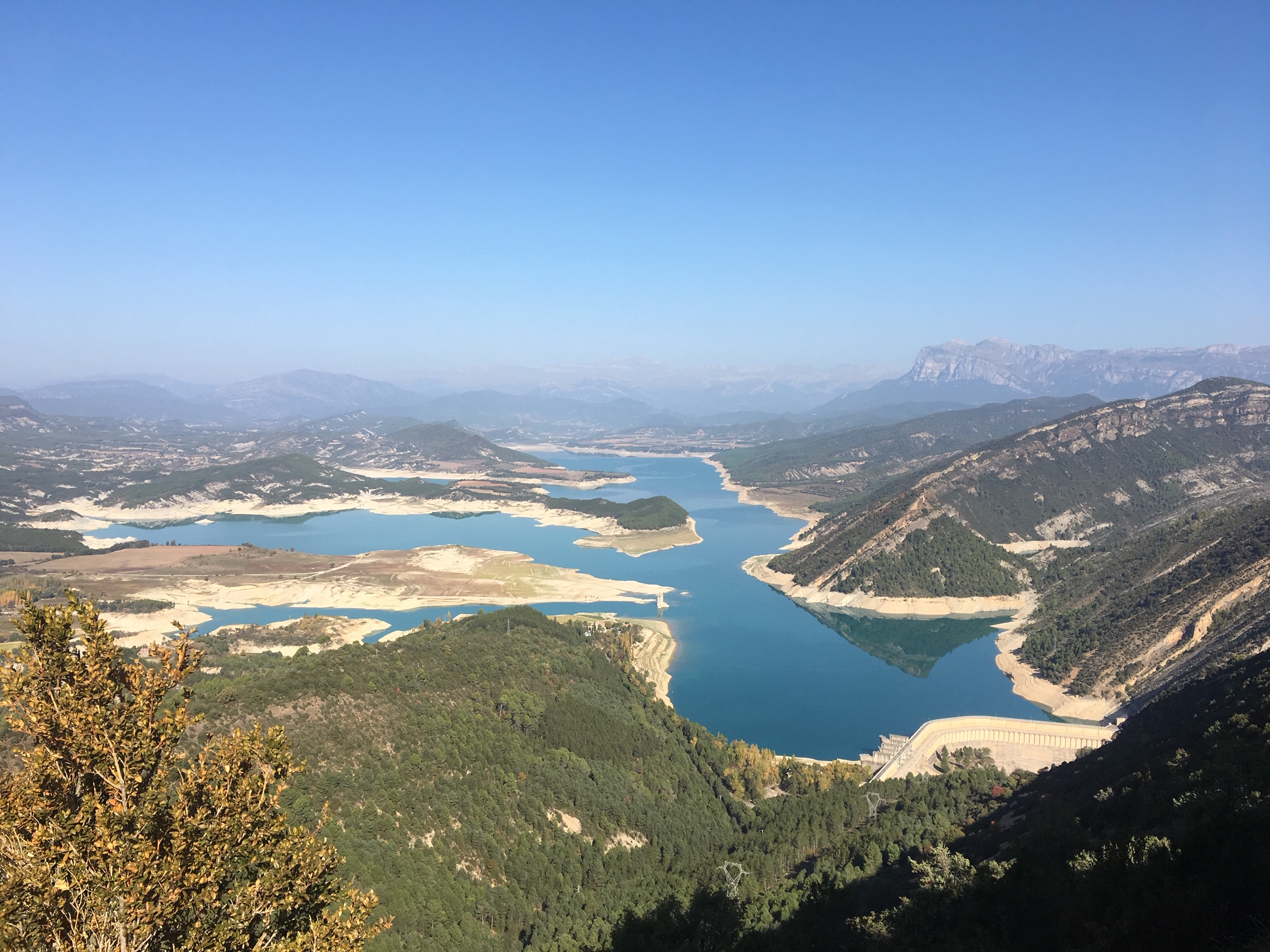
This course in the Central Pyrenees will visit spectacular outcrops of Eocene deep marine clastics in the confined mini-basin settings of the Ainsa and Jaca basins. Shelf-slope-basin relations are examined in detail and reveal features such as ponding in sub-basins, system architecture and reservoir stacking patterns. Identification of facies types is emphasized at both reservoir and exploration prospect scales. The use of the outcrops as analogs for producing oil and gas fields is discussed and 3-D models of the basin infill and deep marine deposition will be shown. Attendees are encouraged to bring their own data for discussion as either presentations or as posters.

Duration and Logistics

A 6-day field course comprising a mix of outcrop examination and discussion (70%), core examination (15%) and supporting classroom lectures (15%). The course is conducted in the Central Pyrenees of northern Spain, with attendees arriving in and departing from Barcelona, Spain. The course materials are supplied as a short, printed field guide with supporting lecture material provided in digital format – if you wish to access this while on the course you will need to bring a laptop or tablet computer.

Level and Audience

Advanced. Suitable for geoscientists and reservoir engineers seeking to understand deepwater clastic reservoir distribution, prediction and compartmentalization. Appropriate for asset teams looking to develop a common understanding of their deepwater clastic reservoirs.

Exertion Level

This class requires an EASY exertion level. Travel between outcrops will be by small coach and there are several short hikes of 2–3km (1.2–1.8 miles) over uneven ground, but nothing overly strenuous. The weather can be variable and ranges from hot and dry to cold and very wet, with fall temperature ranges of 5–30°C (40–85°F), so please be prepared. Field days start around 9am and finish at 6–7pm. (Please note that meals are taken rather late by North American and northern European standards.)

Objectives

You will learn to:

  1. Recognize genetically linked facies deposited by submarine gravity flow processes within a partitioned foredeep, from slope to basin plain.
  2. Identify the transitions between the various components of the system (channel, lobe, etc.), their controls and predictive aspects.
  3. Characterize the geometry and scale of sand bodies and their stacking patterns in outcrop and compare with reservoir units in analogous subsurface settings.
  4. Assess the relation between syndepositional tectonics and partitioned mini-basins that act as receiving basins.
  5. Assess and predict the control of sand body geometry and reservoir architecture on reservoir production characteristics.
  6. Assess high-frequency cyclicity recorded in the sediments and relate these patterns to intrinsic and extrinsic basin controls.
  7. Apply predictive models for the infill of facies and stacking patterns based on the interplay between mini-basin geometry/development and sediment infill.

Women in Energy Field Experience: The Role of Salt in Hydrocarbon Exploitation, Energy Storage and Carbon-reduction Mechanisms, Paradox Basin, Utah and Colorado (G084)

Tutor(s)

Kate Giles: Lloyd A. Nelson Professor, University of Texas at El Paso; Consulting Geologist.

Cindy Yeilding: NE Director, Denbury Inc.

Overview

This course is aimed exclusively at women working in the energy industry, particularly in the geoscience, geotechnical and engineering fields. The primary technical goal is to provide a widely applicable introduction to the interrelationship between sedimentation and structural geology with a particular focus on salt tectonics and salt-sediment interaction. The geology is examined with reference to energy production, including hydrocarbon exploration and production, along with discussions around energy transition topics (CCUS, geothermal, hydrogen and energy storage). While the technical aspects are paramount, the course is also designed to provide networking and professional development opportunities. Evening discussions and activities will allow for exchange of ideas and experiences in a supportive and open atmosphere.

Duration and Logistics

A 5-day field course starting and finishing in Grand Junction, Colorado, comprising a mixture of field exercises, activities and networking.

Level and Audience

Fundamental. This course requires a basic understanding of geoscience and will suit those working in the geoscience, geotechnical and engineering fields. The aim is to facilitate knowledge and experience exchange among the participants, so is open to women from a very wide range of experience levels.

Exertion Level

This course requires a MODERATE exertion level. There will be hikes to outcrops of up to 6.5km (4 miles) round trip. Some of these will encounter uneven and rocky ground with some short, steep inclines. The climate in southern Utah is typically warm to hot and dry with temperatures up to 37.5°C (100°F) and the elevation is between 1,250–1,500m (4,000–5,000 ft).

Objectives

You will learn to:

  1. Describe the regional stratigraphy and principal structural features of the Paradox Basin, Utah.
  2. Characterize and interpret controls on Paradox Basin salt-related structures and key features of passive diapiric systems, including halokinetic sequences, caprock development, non-evaporite stringers / inclusions, welds, megaflaps, counter-regional faults, radial faults and burial wedges.
  3. Examine stratal geometries and halokinetic sequences and how these relate to intervals of salt inflation / evacuation and sediment flux.
  4. Assess the controls on basin fill architecture, fluid flow and deformation within the Paradox Basin and compare this to analogous salt basins worldwide.
  5. Understand the importance of salt basins to the energy industry for hydrocarbon production.

Structural Styles and Fault Characterization in Exploration and Production, Moab, Utah (G078)

Tutor(s)

Russell Davies: Director, Redlands Fault Geological Consulting LLC.

Overview

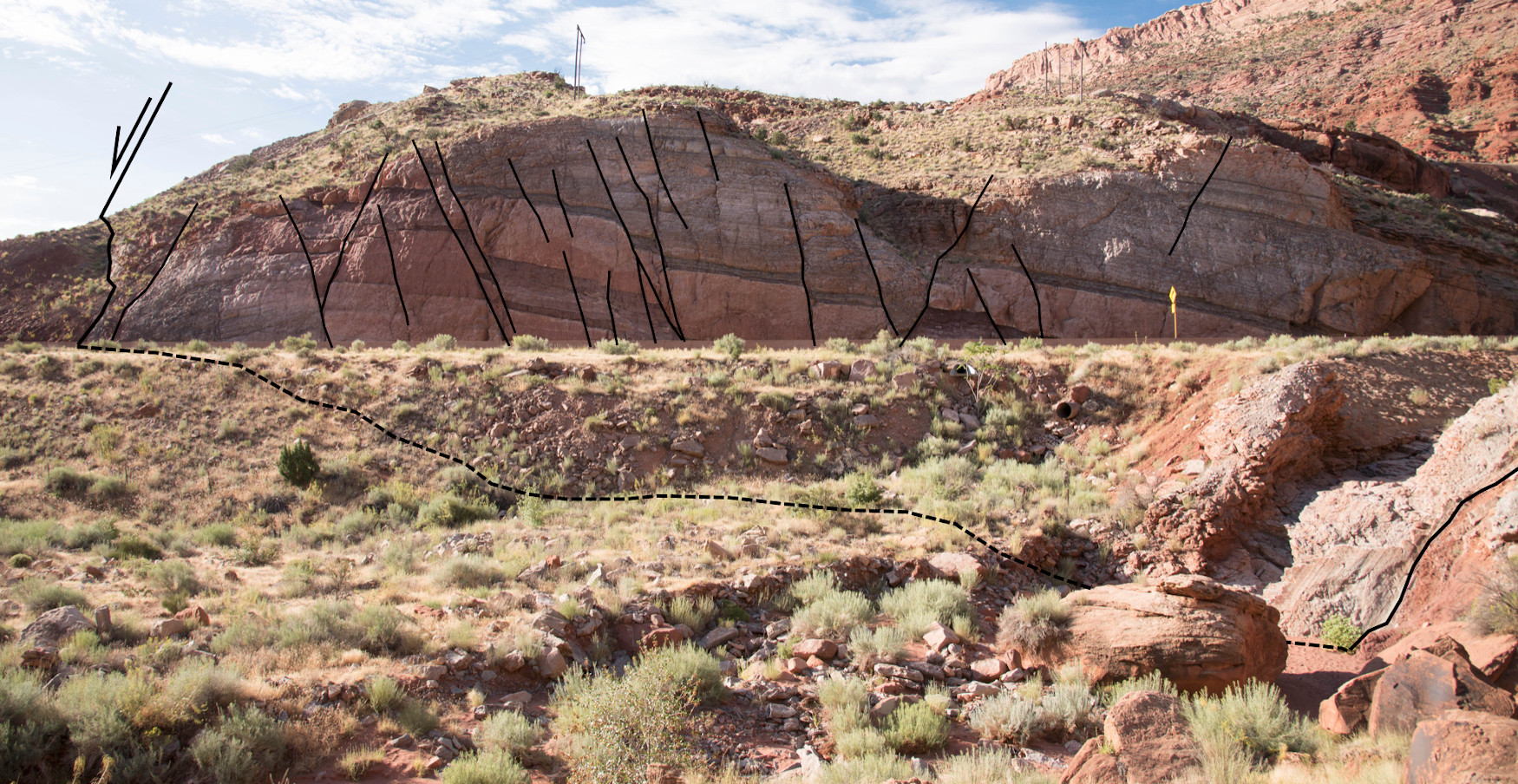
This field course utilizes outstanding exposures of faults, fault rocks and stratigraphy in Colorado and Utah to examine seismic and subseismic scale fault geometries, fault zone architecture and controls on cross-fault flow. The aim of the course is to improve the understanding of uncertainties in the mapping of complex fault zones and the processes that create potential seals and compartmentalization in reservoirs in the subsurface for oil and gas, as well as CO2. Field exercises complement classroom lectures on the interpretation of faults, seal assessment and associated risks. Group exercises are included as prospect interpretation of compartmentalization from outcrop exposures.

Duration and Logistics

A 7-day field course with a mixture of outcrop examination and discussion (70%) and supporting classroom lectures (30%). Exercises on the outcrop are designed to apply common methodologies for fault seal analysis with observed fault zone characteristics.

Level and Audience

Intermediate. This course is suitable for geologists, geophysicists and reservoir engineers engaged in the interpretation of faults and the assessment of fault seal in reservoirs for exploration, development and CO2 containment.

Exertion Level

The field component of this course requires a MODERATE exertion level. There will be some short hikes to outcrops (no more than 3.5 miles / 5.6km round trip), some over uneven and rocky ground with some short, steep inclines no greater than 700 feet (200 meters). The climate in southern Utah during the spring and fall is variable with temperatures from 50°F (10°C) to hot and dry up to 100°F (38°C). The elevation is between 4,000 and 5,000 feet (1200 to 1500 meters).

Objectives

You will learn to:

  1. Describe the regional geologic framework of the field area, the main stratigraphic units and the principal structural features.
  2. Characterize the mechanisms of faulting, fault propagation and the controls on the size, distribution and population of normal faults.
  3. Observe deformation and faults in outcrop to constrain likely structural and fault geometries in the subsurface.
  4. Characterize common trapping mechanisms and seal potential of fault rocks.
  5. Examine and assess fault rock properties and evidence of fluid flow at outcrop scale to better understand subsurface flow in reservoir and fault rocks.
  6. Establish trap and seal controls.
  7. Perform juxtaposition analysis and fault rock distribution mapping (SGR and CSF / SSF).
  8. Employ and interpret triangle diagrams.
  9. Understand key simulation techniques and modelling of faults.

Reservoir Characterization of Deepwater Systems, San Diego, California (G046)

Tutor(s)

Rene Jonk: Director, ACT-Geo Consulting and Training; Honorary Professor, University of Aberdeen.

Overview

Submarine canyons and deepwater channels are the primary conduits for the transfer of coarse sediments from the shelf to deep-water fans and they are today major targets for petroleum exploration. Southern California has had a long and complex geologic history that has involved many episodes of deepwater sedimentation in a variety of settings ranging from the Paleozoic passive margin of the North American craton to Mesozoic forearc and arc settings to Cenozoic transform, pull-apart, and continental borderland basins. These settings feature deep-water deposits in which both large and small submarine channels and fans played major roles as sediment transport routes and sites of sedimentation.

Duration and Logistics

6 days; a mix of outcrop examination and discussion (70%) and supporting classroom lectures (30%).  The field course is conducted in southern California along the coastline north of San Diego.

Level and Audience

Advanced. Geologists, geophysicists, and petroleum engineers working on deep water reservoirs from exploration to production.

Exertion Level

This class requires a MODERATE exertion level. Access to the coastal cliff outcrops is via sandy beaches, with most walks under 2 km. Some shallow wading on a sandy beach is also necessary in order to visit some outcrops.

Objectives

You will learn to:

  1. Review deepwater lithofacies nomenclature and definitions, common lithofacies associations, and interpret lithofacies in outcrops and cores.
  2. Interpret environments of deposition (EoD’s) and related reservoir architecture, lithofacies associations, and diversity.
  3. Interpret sequence stratigraphic surfaces in outcrop, logs, and seismic in DW settings and related to vertical stacking of facies.
  4. Use core and well-logs to interpret EoD’s.
  5. Evaluate reservoir geometry and connectivity in different EoD’s.
  6. Recognise the Do’s and Don’ts of using outcrops as reservoir analogs
  7. Apply outcrop information as analog for reservoir model building
  8. Evaluate seismic response, including geometry, facies, and acoustic response in deepwater EoD’s
  9. Apply the criteria for the identification of Composite Sequences, Sequence Sets, and Depositional Sequences and their components in outcrops, cores, well logs, and seismic
  10. Use interpretation and mapping techniques for cores, well-logs, and seismic lines in deepwater settings, from Exploration to Production business scales
  11. Apply criteria and mapping strategies for play elements in deepwater depositional settings
  12. Identify and map play fairways in deepwater settings.

Reservoir Geology for Engineers, Colorado and Utah (G061)

Tutor(s)

Mike Boyles: Retired Shell Oil; Affiliate Faculty, Colorado School of Mines.

Overview

The course investigates world-class outcrops to introduce engineers to a wide spectrum of stratigraphic and structural features commonly found in exploration and production. An active learning technique encourages participants to make initial observations and interpretations before group discussions. Lectures and exercises provide awareness of reservoir architecture while outcrops demonstrate field- and reservoir-scale heterogeneities. Depositional environments studied include deltaic, eolian, fluvial, turbidites, tidal and coastal plain with emphasis placed on understanding flow characteristics (i.e. connectivity, Kv, Kv/Kh).

Duration and Logistics

7 days; a mix of classroom lectures (10%) and field exercises (90%). The course begins and ends in Grand Junction, Colorado, and visits outcrops in Utah and Colorado.

Level and Audience

Fundamental. The material is presented with minimal jargon so that engineers get the full benefit of the course.

Exertion Level

This class requires a MODERATE exertion level. Scrambling over rock outcrops and steep sections will be required, but most hikes would be considered moderate. The longest walk is approximately 4.8km (3.2 miles). Outcrops are at elevations of 1200–2500m (4000–8200 ft). Weather conditions in NW Colorado and eastern Utah can vary from warm and dry to cold and wet, with an early fall temperature range of 5–23°C (41–73°F). Transport will be in SUVs on black-top and unpaved roads.

Objectives

You will learn to:

  1. Appreciate the differences between a range of depositional settings, their facies and related reservoir architecture.
  2. Use geologic knowledge to reduce reservoirs into flow units.
  3. Gain a better understanding of major events that influence deposition and help to understand reservoir geometries and scale.
  4. Evaluate the impact of modeling stochastic properties versus organized trends.
  5. Understand the dangers of upscaling and if it makes geologic sense.
  6. Use detailed sector models to understand how to capture subtle variations in the geology.
  7. Appreciate how to use the geology to make upscaling decisions by building detailed sector models to understand the impact of upscaling decisions.

Understanding Faults, Fault Seal and Fault Rupture: Applications to Fluid Trapping, Pressure Containment and Induced Seismicity, Moab, Utah (G058)

Tutor(s)

Bob Krantz: Consulting Geologist and Adjunct Professor, University of Arizona.

Peter Hennings: Research Professor, UT Austin, Texas.

Overview

This course provides an analysis-level treatment of fault geometry, characterization of seal effectiveness, and assessment of rupture hazard with application to hydrocarbon exploration, reservoir development and management, fluid pressure containment analysis for CCS, and induced seismicity hazard assessment. The Moab fault system and surrounding geology provide exceptional examples of trap-scale structures with fault zone characteristics that vary depending on offset and juxtaposed rock type, and which are documented to have both sealed and leaked over geologic time in patterns that are clearly expressed. Reframing these outcrops to subsurface application is immensely valuable in understanding static and dynamic fault behavior.

Duration and Logistics

6 days; classroom lectures (30%), practical exercises (30%) and field visits to some of Earth’s best-exposed and thoroughly studied outcropping fault systems (40%).

The course is based in Moab, Utah, with participants arriving in and departing from Grand Junction, Colorado.

Level and Audience

Advanced. This course is intended for geoscientists and reservoir engineers who work with layered faulted reservoirs. Participants would benefit from having a basic familiarity with structural geology.

Exertion Level

This class requires a MODERATE exertion level. The fieldwork will involve walking up and down slopes over rough ground. There will be walks of up to 1.6km (1 mile) on most days, the most strenuous being an ascent (and descent) of 100m (330 ft) over rocky ground as part of a 3.2km (2 miles) walk. The altitude of the field area ranges from 1200–1750m (4000–5800 ft), which may lead to unexpected shortness of breath for some. The weather should be pleasant with typical highs of 27°C (80°F) in the fall, but early morning temperatures may be below 5°C (40°F) and highs could reach 32° (90° F) on some days. Transport will be by mini-van or SUV on paved and graded dirt roads.

Objectives

You will learn to:

  1. Describe fault geometry and how they form, displace and link in 2-D and 3-D.
  2. Understand how fault systems evolve over geologic time.
  3. Characterize controls on mechanical stratigraphy.
  4. Apply 3-D fault framework interpretation methods.
  5. Identify fault zone deformational fabrics and mechanics.
  6. Develop reservoir compartmentalization models.
  7. Understand static and dynamic fault seals, fault permeability and seal effectiveness.
  8. Predict fault reactivation likelihood for application to seal failure, containment breach, and induced seismicity.

Applied Concepts of Natural Fractures: Mechanics and Characteristics in Outcrop and Core, New Mexico (G049)

Tutor(s)

John Lorenz: Co-founder and Partner, FractureStudies LLC.

Scott Cooper: Co-founder and Partner, FractureStudies LLC.

Overview

Outcrops in central New Mexico offer excellent examples of natural fractures in a variety of structural settings and lithologies. They illustrate the mechanical and stratigraphic controls on the fracture systems that in turn control permeability in most conventional and unconventional reservoirs. A world-class example of permeability-reducing shear fractures (“deformation bands”) will be visited, occurring in fluvial sandstones of the Morrison Formation. The outcrops to be visited also show fractures associated with faulting, as well as the complications associated with reactivation of extension fractures in shear. An exposition of the authors’ 65-piece teaching collection of natural and induced fractures in core is part of the course, providing the chance to compare one-dimensional core fracture data with the three-dimensional data provided by outcrops.

Duration and Logistics

5 days; a mix of classroom lectures (15%), field time (75%) and core/hand sample workshop (10%).  The course begins and ends in Albuquerque, New Mexico.

Level and Audience

Advanced. This course is intended for geoscientists, reservoir and production engineers, and petrophysicists who need to characterize and understand fracture systems and their effects on reservoir permeability from core and outcrops; who need to be able to differentiate between natural and induced fractures in cores; and who would like to be able to predict the effects of lithology on fracturing. It is also for those who want to understand fracture permeability in relationship to the in situ stress system, the interaction of natural fractures with hydraulic stimulation fractures, and the important differences between extension and shear fractures in controlling individual fracture permeability and fracture network interconnectedness.

Exertion Level

This class requires a MODERATE exertion level. The fieldwork will involve walking up and down slopes over rough ground. There will be walks of up to 1.6km (1 mile) on most days, the most strenuous being an ascent (and descent) of 60m (200 ft) over rocky ground as part of a walk of 3km (2 miles). The elevation range is 1600-2200m (5300-7200 ft), which may lead to unexpected shortness of breath for some. The central New Mexico weather in the fall is cool-warm and dry, and often windy. Transport is by SUVs. Most driving is on black-top roads, but some areas are reached by gravel or dirt roads.

Objectives

In this hands-on, application-based field trip you will learn to:

  1. Assess the origins of fractures.
  2. Understand characteristics and distributions of different types of natural fractures and their potential effects on reservoir permeability.
  3. Differentiate fractures by type, as well as predict what fracture types to expect in different structural domains and reservoirs, through discussion on the outcrop.
  4. Assess the interactions between natural fractures, in situ stresses and stimulation fractures.
  5. Appreciate the wide range of structures that fall under the basket term “fracture”, and recognize that different fracture types do not have the same effect on hydrocarbon reservoirs.
 

Modern and Ancient Carbonate Lakes of the Western U.S.: Lessons for Interpreting the Cretaceous Pre-Salt Reservoirs in the South Atlantic, Utah, Nevada and California (G030)

Tutor(s)

Paul Wright: Independent Consultant.

Overview

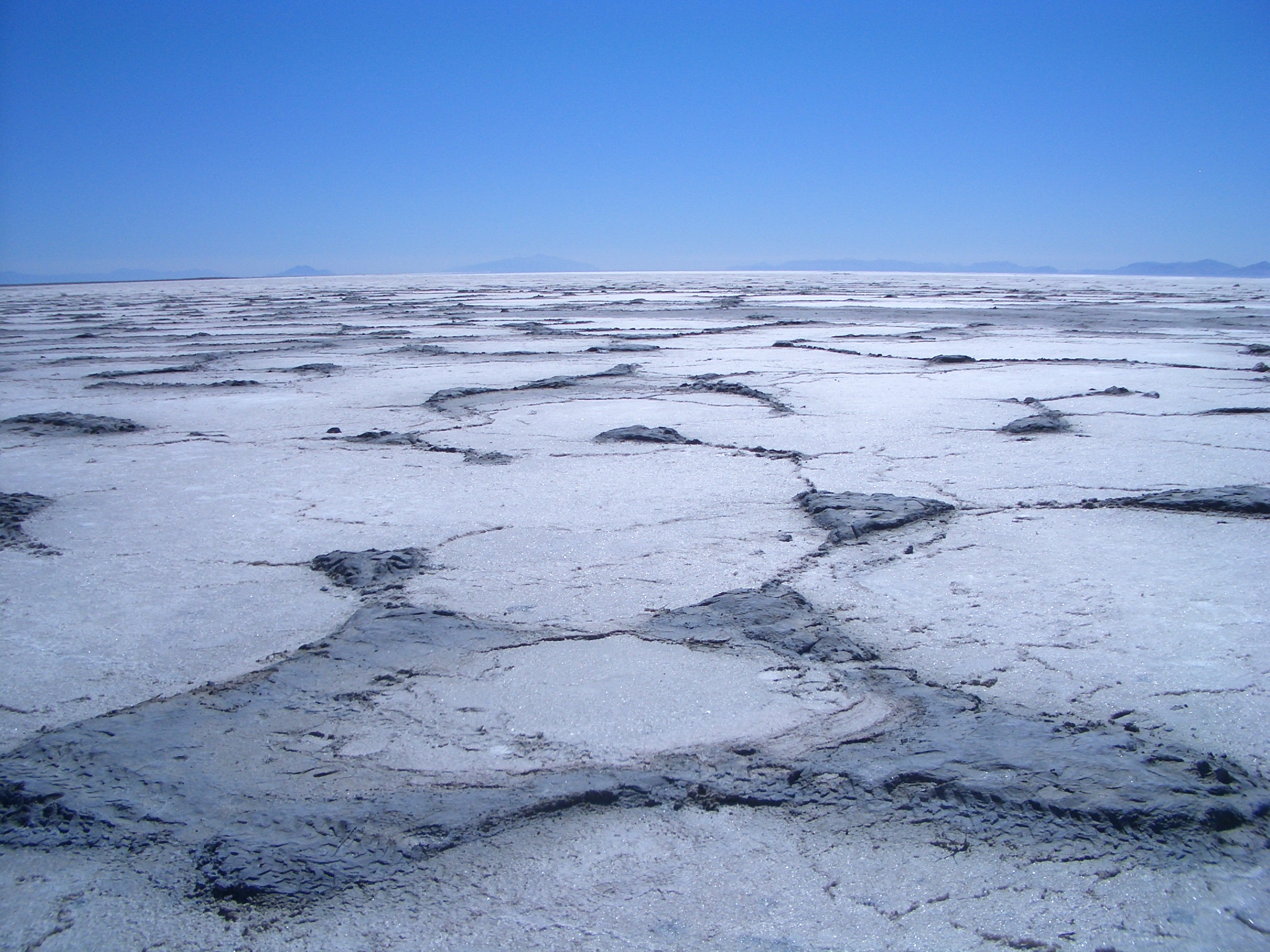
The pre-salt “microbialite” reservoirs of offshore Brazil and West Africa (such as the Barra Velha Fm of Santos Basin) are highly problematic reservoirs. While there are no modern or ancient analogs for the Barra Velha and its equivalents, the modern rift basin lakes in western U.S. can be used to demonstrate a range of issues relevant to understanding the reservoirs. This course combines field visits with classroom lectures and core examination, and throughout the course comparisons will be made with the pre-salt reservoirs from the South Atlantic to provide a forum for discussion to aid understanding of these reservoirs.

The manual will be provided in digital format and you will be required to bring a laptop or tablet computer to the course.

Duration and Logistics

6 days; a mix of field stops (70%), classroom lectures (15%) and core examination (15%).

The course begins in Salt Lake City, Utah, and ends in Reno, Nevada.

Exertion Level

This class requires an EASY exertion level. The longest walk on the class is approximately 3.2km (2 miles) over fairly flat topography. Outcrops are at elevations of 1200–2000m (4000–6500 ft). Weather conditions in northern Utah and eastern California can vary from cool and dry, to hot and dry, with a late spring and early fall temperature range of 5–27°C (40–80°F). Transport will be in a bus or SUVs on black-top roads.

Level and Audience

Advanced. The course will be of particular interest to individuals evaluating the pre-salt of Brazil and West Africa but will also appeal to geoscientists who wish to expand their knowledge of non-marine reservoirs. A basic familiarity with carbonates depositional systems is assumed.

Objectives

You will learn to:

  1. Examine a range of classical carbonate facies in core, including core from an active microbialite reservoir in the US.
  2. Examine the scale relationship of carbonate deposition in the field across a series of half grabens using the Great Salt Lake, Utah, as an example.
  3. Examine an active petroleum system associated with volcanic-related rift activity and lacustrine carbonates.
  4. Examine many of the key elements of the carbonate facies encountered in arid saline lakes (microbialites, oolites, salt pans, travertines and large spit complexes) including the subtle influence of small faults on facies distribution.
  5. Examine seismic-scale carbonate build-ups associated with faults in an alkaline lake (Pyramid Lake, Nevada), including how sub-lacustrine fault-controlled fluid flows generate large build-ups and the effects of subaerial exposure on such build-ups.
  6. Examine the complex facies architecture of vent-fed sub-lacustrine carbonate systems.
  7. Examine the range of facies associated with vent-fed ridge travertines and evaluate whether such systems can be used as analogs for some pre-salt reservoirs, using outcrops near Bridgeport, California.
  8. Examine carbonate deposition in a highly alkaline lake, Mono Lake in California, very closely associated with volcanic cones, emphasizing the role of volcanic activity in rift basins.